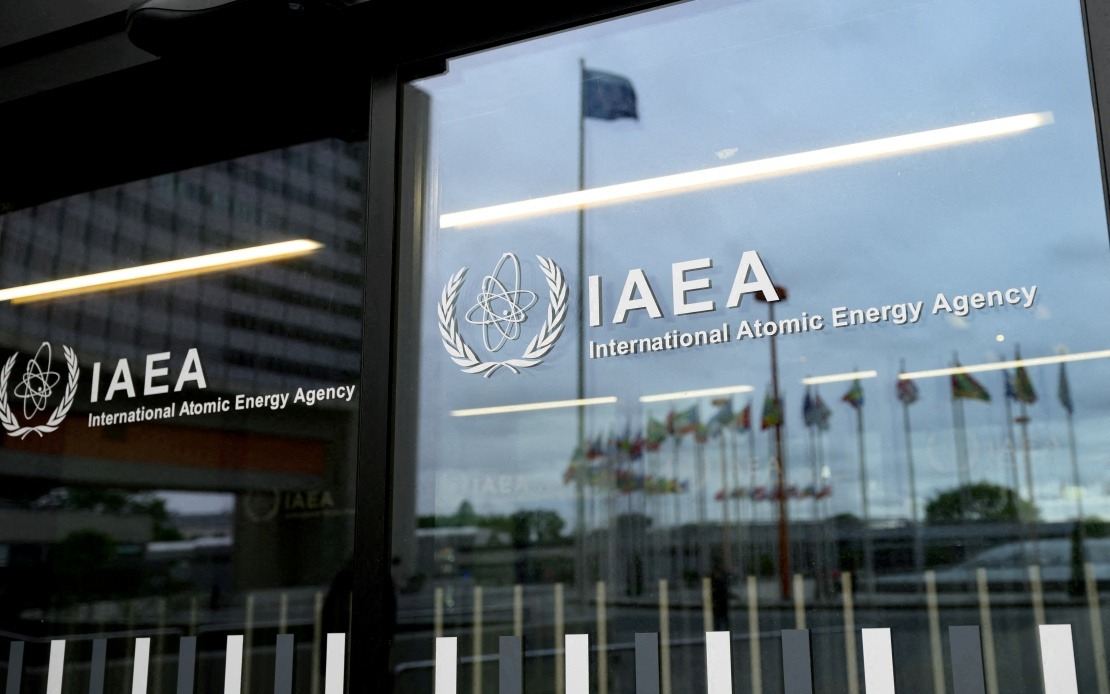
Iran is taking a hardline stance on nuclear transparency, with senior officials declaring that inspections of the country's atomic installations remain off the table until Washington demonstrates concrete commitment to lifting sanctions. Deputy Foreign Minister Kazem Gharibabadi stated this position on Wednesday through social media, signalling that Tehran will not grant the International Atomic Energy Agency immediate access to bombed nuclear sites, despite international pressure to do so.
The declaration comes as negotiations between Iran and the United States have entered a critical phase following a preliminary agreement signed on June 18. That memorandum of understanding allocated 60 days for parties to hammer out a final accord addressing Iran's nuclear programme and the comprehensive sanctions regime that has crippled the Iranian economy for years. Initial talks took place in Switzerland over the weekend, with both delegations reportedly engaged in substantive discussions.
Gharibabadi's statement directly contradicted assurances made earlier by Rafael Grossi, the IAEA's Director General, who announced that inspections would commence at Iranian facilities based on the newly-signed agreement framework. The Iranian official made clear that his government views such inspections not as an immediate confidence-building measure but rather as a provision to be negotiated and resolved exclusively within the broader final deal. This approach reflects Tehran's conviction that nuclear transparency cannot be decoupled from sanctions relief—the two issues are inextricably linked in Iran's negotiating strategy.
The dispute centres on three principal nuclear sites that have endured repeated military strikes. The facilities at Fordow, Natanz, and Isfahan became targets during a devastating 12-day military campaign in June 2025, with further attacks occurring during a second wave of hostilities that commenced on February 28 of this year. Both the United States and Israel conducted strikes on these installations, along with military targets, causing structural damage that complicates any verification process and deepens suspicions on both sides.
Gharibabadi also clarified that no meeting materialised between Iran's negotiating delegation and Grossi in Switzerland recently, despite the IAEA chief having requested such engagement. This denial underscores the distance still separating the parties. While the international nuclear watchdog operates with the presumption that dialogue and data-sharing foster transparency, Tehran views premature disclosure as a negotiating weakness that surrenders leverage before sanctions are actually lifted.
The Iranian position reflects a fundamental asymmetry in how the two sides perceive verification and trust. From Washington's perspective, nuclear inspections represent essential safeguards to ensure Iranian compliance with any future agreement. From Tehran's vantage point, allowing IAEA access before sanctions removal would constitute a unilateral concession with no guaranteed reciprocal benefit. This dynamic has plagued previous rounds of negotiation and threatens to derail the current effort.
For Malaysia and other Southeast Asian nations with stakes in Middle Eastern stability, this Iranian intransigence carries troubling implications. A failure to achieve a nuclear accord would heighten regional military tensions and potentially trigger wider conflict that disrupts global energy supplies and shipping lanes upon which the region depends. The Strait of Hormuz, through which much of the world's oil flows, remains vulnerable to any escalation between Iran and Western powers.
The memorandum of understanding represents a fragile opening after months of military confrontation. The 60-day window is narrow, and fundamental disagreements persist over sequencing and verification. Tehran's refusal to allow IAEA inspections before a final deal suggests negotiators remain far apart on core issues. If Iran maintains this position throughout discussions, achieving agreement becomes exponentially more difficult, as Western negotiators will struggle to secure domestic political support for any accord that does not include immediate verification measures.
The broader context of regional volatility cannot be overlooked. Two separate bombing campaigns within months demonstrate the hair-trigger nature of US-Iran tensions. Nuclear facilities, once damaged, require extensive reconstruction before meaningful inspections can even occur. This technical reality compounds the diplomatic challenge: inspectors need functioning sites to visit, yet Iran may be unwilling to repair facilities until sanctions pressure eases.
Gharibabadi's insistence that IAEA access will be "reviewed and resolved solely within the framework of the final agreement" indicates that Tehran views inspections as a bargaining chip rather than a humanitarian or transparency imperative. This approach may prove counterproductive, as it reinforces Western suspicions that Iran harbours undisclosed military nuclear activities. The more Tehran resists early verification, the more sceptical foreign governments become about Iranian intentions.
The coming weeks will test whether both sides can navigate these crosscurrents. The US must convince Iran that sanctions relief is genuinely forthcoming; Iran must convince the US that its nuclear programme is peaceful. Without movement on verification, neither party will achieve the confidence necessary to proceed. The clock is ticking on this diplomatic initiative, and early signs suggest the distance between the parties remains substantial.

