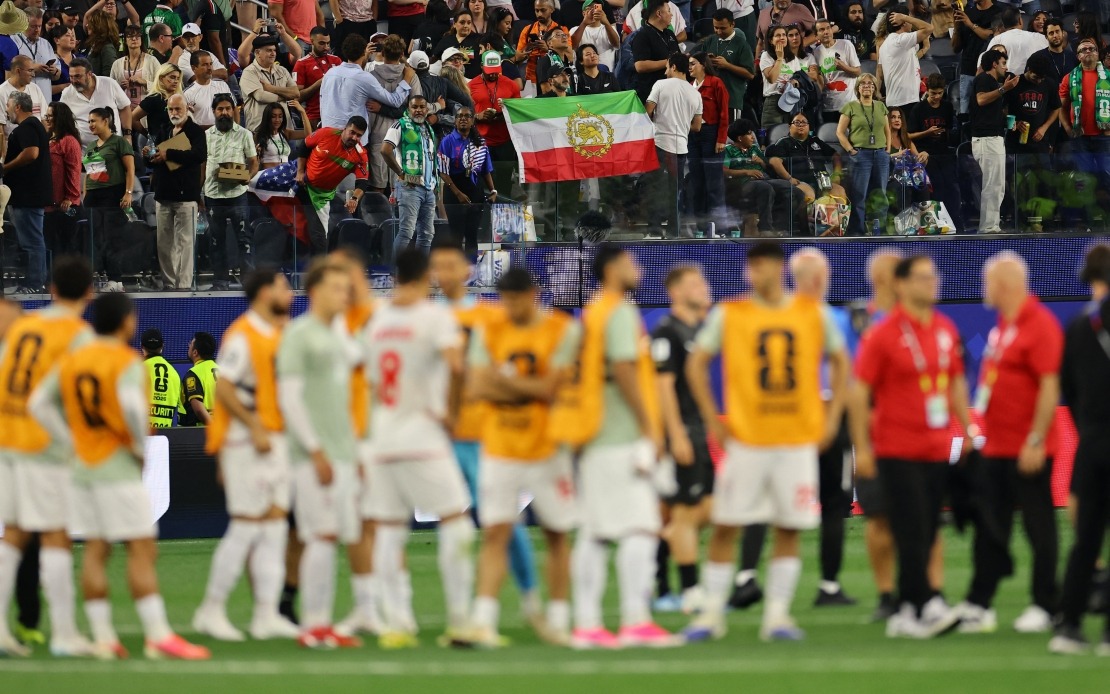
The Iranian national football team faces logistical challenges at the World Cup that go beyond typical tournament friction, with head coach Amir Ghalenoei making public complaints about what he characterised as unprecedented travel restrictions imposed on his squad. Speaking in Istanbul on June 16, Ghalenoei described Iran as the "most repressed team in the whole World Cup," highlighting the difficulties his players encountered after their opening fixture against New Zealand at their Los Angeles training base. The coach revealed that his team had prepared to stay overnight in California for a scheduled recovery session the following morning, only to receive orders to depart immediately upon the final whistle, disrupting carefully planned rest protocols.
The forced relocation represented a significant logistical burden for a team already navigating complex international circumstances. Ghalenoei expressed frustration that Iranian players were subjected to extended air travel with minimal recovery opportunity, undercutting the medical and fitness preparations that all World Cup squads depend upon between matches. "We spent so much time in the air commuting, they didn't even give us time to recover," the manager told ESPN through an interpreter, emphasising the physical toll of unexpected mid-tournament relocations. The timing proved particularly problematic given that teams typically utilise the period immediately following matches for medical assessments, physiotherapy, and tactical review.
While Ghalenoei stopped short of explicitly naming the authority responsible for the departure order, the circumstances suggest involvement from FIFA or tournament security personnel. Iranian captain Mehdi Taremi offered a cryptic reference to FIFA President Gianni Infantino, who reportedly visited the team's locker room following Monday's match. Taremi's carefully worded comments—"For sure, he wants to try to help us, but it's about other things, too"—implied that the team's departure stemmed from considerations extending beyond straightforward tournament logistics. The captain's suggestion that "everyone knows it" and his reference to tensions between the United States and Iran hinted at geopolitical dimensions influencing Iran's World Cup experience.
The deeper context involves longstanding diplomatic friction between Washington and Tehran that extends into the sporting realm. The reference to a "100-day war" appears to allude to heightened military tensions between the two nations, with Taremi's comments suggesting that Iran's removal from Los Angeles may have reflected security concerns or political considerations rather than purely athletic reasons. Such episodes illustrate how international football tournaments can become entangled with broader geopolitical complexities, particularly when host nations and participating teams maintain fraught diplomatic relationships. For Iranian players accustomed to competing under international scrutiny, the abrupt relocation compounded the pressures already accompanying World Cup participation.
Iran's difficulties began well before the tournament commenced, forcing the team to relocate their entire training headquarters from the United States. Originally scheduled to establish their World Cup base in Tucson, Arizona, the Iranian Football Federation encountered visa complications and logistical obstacles that necessitated shifting operations to Tijuana, Mexico in late May. This earlier relocation already disrupted preparation schedules and forced the coaching staff to reorganise training facilities, medical support, and accommodation arrangements on short notice. The subsequent removal from Los Angeles represented an additional upheaval that compounded the accumulated friction surrounding Iran's World Cup campaign.
The situation reflects broader challenges that certain national teams face when competing in World Cups held in countries with which they maintain tense relations. While all teams contend with travel fatigue and schedule compression during tournaments, Iran's experience suggests an additional layer of restrictions that other squads did not encounter. Coaches worldwide manage recovery protocols meticulously, timing physiotherapy, sleep, nutrition, and psychological preparation around match schedules. Forced departures immediately after fixtures disrupt these carefully orchestrated systems, potentially affecting player fitness and mental preparation for subsequent games.
For Malaysian and Southeast Asian readers, the Iranian situation underscores how international sporting events intersect with diplomatic complexities. Nations in the region maintaining varied relationships with major powers understand how geopolitical considerations can influence tournament conditions. The scenario also highlights challenges faced by teams from countries experiencing international isolation or sanctions, as such squads often encounter additional administrative hurdles that wealthier footballing nations navigate more smoothly. Iran's experience serves as a cautionary reminder that World Cup participation, while prestigious, can expose teams to pressures extending beyond the pitch.
The episode raises questions about FIFA's responsibility for ensuring equitable treatment of all participating nations. Tournament regulations should theoretically protect all teams' access to adequate recovery time and appropriate facilities, regardless of their home nation's diplomatic standing. Ghalenoei's public criticism suggests that Iran felt deprived of conditions offered to other squads, potentially affecting their competitive preparation and player welfare. Such disparities undermine the principle that international tournaments should provide level playing fields where sporting ability determines outcomes rather than logistical advantages.
Looking forward, Iran's World Cup campaign must proceed under these constrained circumstances. The team's coaching staff must adapt recovery protocols to the Mexican training base, working within tighter margins than originally anticipated. Players will need to demonstrate mental resilience alongside physical capability as they process the disruptions and distractions accompanying their participation. For international football observers, the Iranian situation provides a sobering reminder that World Cups, for all their celebration of athletic excellence and global unity, remain venues where political realities can intrude upon sporting competition in ways that affect teams' preparation and performance.