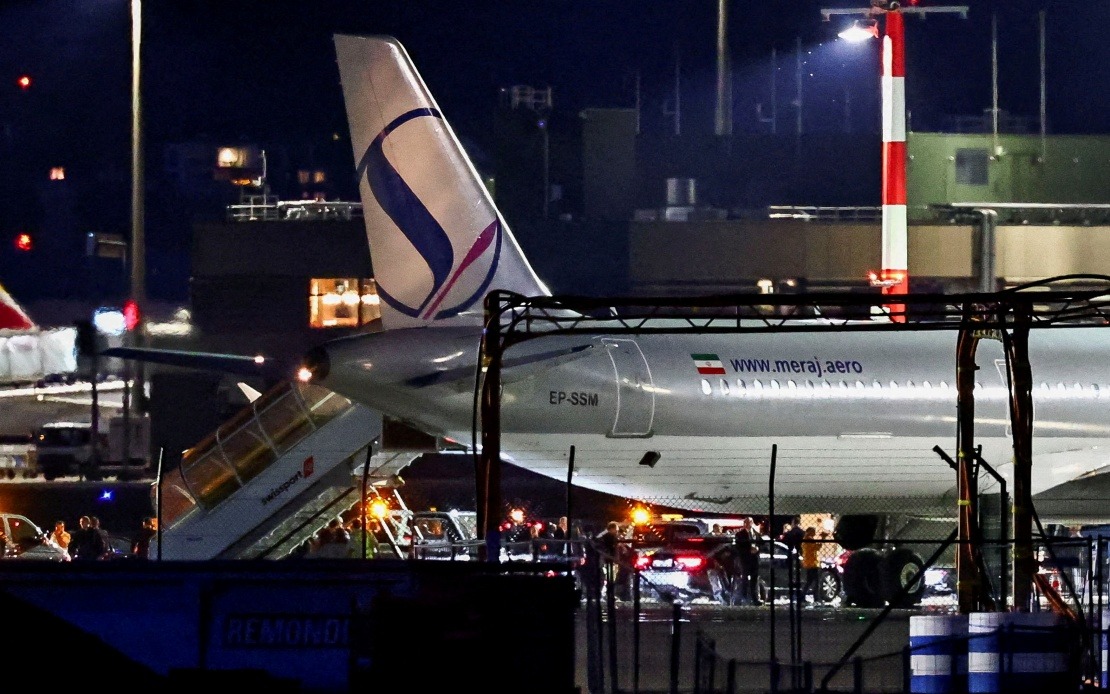
Negotiations between Iran and the United States scheduled for Switzerland will hinge on Tehran's insistence that Washington first implement critical commitments outlined in an existing memorandum of understanding, according to Iranian Foreign Ministry spokesman Ismail Baghaei. Rather than immediately advancing toward a comprehensive final agreement, Iran has made clear that several foundational provisions must be satisfied—particularly those addressing regional conflict, economic sanctions, and frozen financial assets—before any further diplomatic progress can occur.
At the heart of Iran's negotiating posture lies Article 1 of the memorandum, which requires an end to fighting across all fronts as a prerequisite for deeper talks. This formulation carries particular weight given ongoing regional tensions, including conflicts that extend into Lebanon and broader Middle Eastern flashpoints where Iranian and American interests collide. By anchoring talks to this provision, Tehran is signalling that it views military de-escalation not merely as a desirable outcome but as a foundational requirement that cannot be bypassed or postponed in favour of rapid diplomatic breakthroughs.
The memorandum's sequencing mechanism, established under Article 13, explicitly conditions movement toward a final agreement on prior implementation of Articles 1, 4, 5, 10, and 11. This structural framework reflects Iran's desire to avoid situations where negotiations drag on indefinitely while Western powers maintain pressure through sanctions and military posturing. Baghaei's emphasis on this article-by-article approach underscores Tehran's determination to extract tangible economic and security concessions before committing to the more elaborate negotiations required for a definitive accord.
Articles 4 and 5 encompass mutual pledges of non-aggression between the two nations and require the removal of American naval blockades affecting Iranian commerce. Additionally, these provisions stipulate the withdrawal of United States military assets from positions near Iran and the restoration of safe passage through the Strait of Hormuz—one of the world's most critical shipping channels through which roughly one-third of global maritime oil traffic passes. For Southeast Asian economies, including Malaysia, which depend heavily on uninterrupted Hormuz transit for energy security, any stabilization of this waterway carries direct implications for regional trade and energy costs.
The economic dimensions of Iran's negotiating agenda centre on Articles 10 and 11, which address the two most consequential grievances for Tehran's leadership. Article 10 seeks formal United States waivers permitting Iranian crude oil exports and the financial services required to execute such transactions—a critical requirement given that American sanctions have severely restricted Iran's ability to sell petroleum on global markets. Article 11 similarly demands the release of Iranian government assets and funds that have been frozen under international sanctions regimes, restoring access to capital reserves that Iran views as rightfully belonging to the Islamic Republic.
Baghaei's statement that current discussions focus specifically on implementing Article 1 alongside measures envisaged under Articles 10 and 11 reveals Iran's strategic prioritization. By grouping military de-escalation with economic relief, Tehran frames sanctions removal not as a negotiating concession to be earned later but as an obligation owed immediately upon achievement of ceasefire arrangements. This rhetorical move positions Iran as the party making security sacrifices while the United States must provide compensatory economic measures without delay.
The Strait of Hormuz administration question embedded within Article 5 introduces an additional layer of complexity. Iran's insistence on participating in discussions about future governance of this chokepoint reflects its aspiration to exercise greater regional influence and reduce Western dominance over maritime affairs affecting its national interests. For Malaysia and other Southeast Asian maritime trading nations, any shift in Hormuz administration toward greater Iranian participation could alter shipping dynamics and potentially affect insurance costs, transit protocols, and commercial relationships in the region.
The memorandum's hierarchical structure—requiring foundational steps before permitting advancement—mirrors negotiating tactics that Moscow employed during Ukraine ceasefire discussions, suggesting that Iran has absorbed lessons from international diplomacy about preventing interminable negotiations. By establishing explicit prerequisite conditions, Tehran aims to avoid a scenario where talks persist for months or years while enforcement remains ambiguous. This approach carries implications for the broader Middle East, where regional actors including Saudi Arabia, the United Arab Emirates, and Israel maintain competing interests in any Iran-United States accommodation.
For Malaysian policymakers and business leaders, the outcome of these negotiations matters considerably. Any sustained reduction in sanctions against Iran could reshape regional energy markets and potentially increase competition for crude oil supplies, while stabilization of the Strait of Hormuz would reduce maritime insurance premiums and enhance predictability for Malaysian trading enterprises. Conversely, if negotiations collapse over disagreements about implementation sequencing, renewed escalation could disrupt global energy prices and increase geopolitical risks affecting Southeast Asian security and prosperity.
The memorandum framework reflects both parties' recognition that sustainable agreements require binding enforcement mechanisms rather than aspirational language. Iran's insistence on prior implementation before final agreement negotiations essentially amounts to demanding collateral or assurance bonds—concrete proof of good faith before committing to larger arrangements. This negotiating stance may delay comprehensive resolution but could yield more durable outcomes by preventing situations where one party advances toward agreement while the other retreats from commitments.

