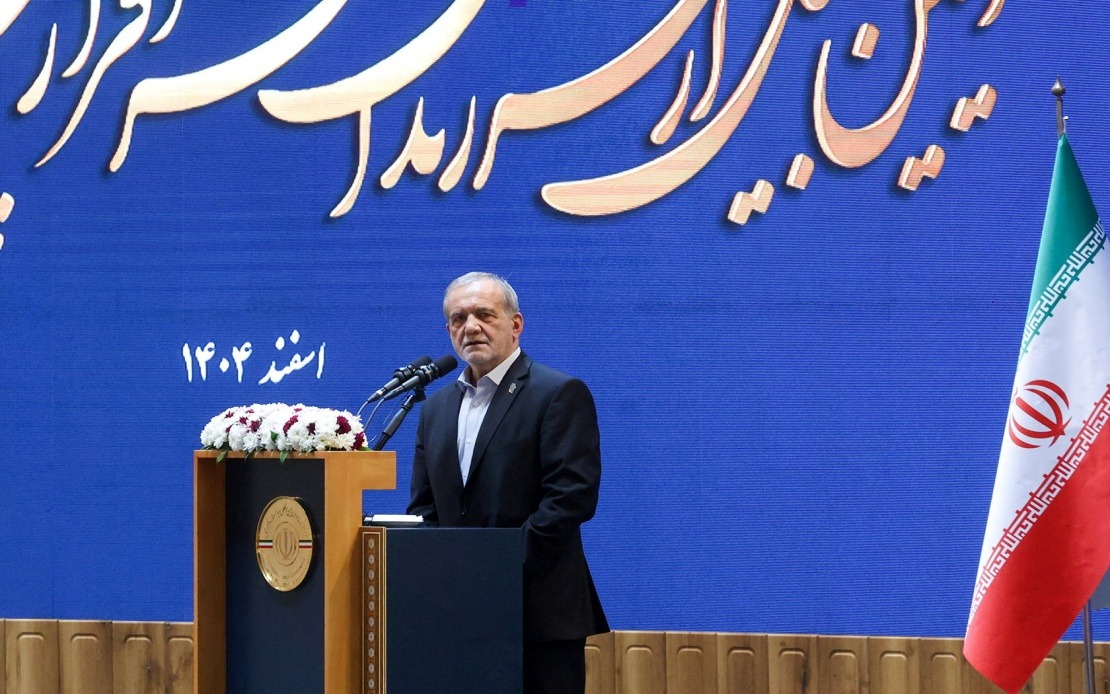
Iranian President Masoud Pezeshkian has signalled that his government could be prepared to commit in writing to forgoing nuclear weapons development, a statement that may reshape the contours of ongoing diplomatic negotiations with Washington. Speaking through state media, the president suggested that such a formal declaration—if deemed necessary by negotiating parties—represents an option available to Tehran as discussions between Iranian and American representatives intensify following a preliminary understanding reached earlier this week.
The backdrop to these statements involves a framework agreement designed to chart a course toward broader reconciliation between Iran and the United States. Both delegations commenced substantive talks in Switzerland on Sunday, with a 60-day timeline established for finalizing comprehensive terms governing Iran's nuclear programme—an issue that has persistently derailed previous negotiation attempts. The memorandum of understanding signed beforehand signals genuine momentum, though significant obstacles remain on both sides of the negotiating table.
Pezeshkian's positioning of a potential written non-proliferation declaration requires careful interpretation within the context of Iran's longstanding nuclear narrative. The Islamic Republic has consistently maintained, through multiple administrations, that its nuclear programme serves exclusively civilian and peaceful purposes. This rhetorical position has long collided with Western intelligence assessments and concerns from regional actors, particularly Israel, which views Iran's nuclear capabilities as an existential threat. By now offering a formalized, documented commitment, Iran may be attempting to provide the assurances demanded by sceptical international actors while preserving its own strategic interests.
The reference to the late Supreme Leader Ali Khamenei carries significant symbolic weight in this context. Pezeshkian emphasized that Khamenei had rejected weapons of mass destruction development on religious grounds—a position rooted in Islamic jurisprudence rather than pragmatic calculation. This framing attempts to anchor Iran's nuclear restraint in theological principle, suggesting that renouncing weapons development aligns with rather than contradicts Iran's Islamic identity. For international audiences, particularly Muslim-majority nations that might otherwise view Iran's nuclear programme sympathetically, this theological dimension provides moral legitimacy to non-proliferation commitments.
The tangible financial component of negotiations cannot be overlooked in assessing Iran's negotiating posture. Pezeshkian specifically highlighted the potential release of approximately six billion dollars in Iranian assets currently frozen by the United States in Qatar accounts. These frozen funds represent accumulated revenues from oil sales and other transactions, and their liberation would provide substantial relief to Iran's pressured economy. The prospect of accessing these resources creates immediate incentive for Iranian negotiators to demonstrate flexibility and good faith engagement, making concessions on the nuclear question more palatable to domestic constituencies who have suffered under extended sanctions regimes.
For Malaysia and other Southeast Asian nations, the implications of Iranian nuclear policy carry implications that extend beyond the Middle East itself. Regional stability in the Persian Gulf affects global energy markets, supply chain resilience, and broader geopolitical configurations that influence the Indo-Pacific balance. Malaysia, as a significant oil importer and maritime trading nation, holds a vested interest in preventing escalatory cycles between Iran and Western powers that could destabilize shipping routes and energy prices. A successful nuclear negotiation removes one major flashpoint from the international system.
The apparent confidence Pezeshkian expressed regarding negotiations, describing current agreements as largely favouring Iranian interests, suggests Tehran believes it has secured meaningful concessions in preliminary discussions. This perception of advantageous positioning may stem from the Biden administration's apparent prioritization of diplomatic resolution over confrontation, contrasting with the previous administration's withdrawal from the Joint Comprehensive Plan of Action (JCPOA) in 2018. Whether this Iranian optimism reflects accurate assessment or miscalculation of American negotiating intentions remains unclear, but it indicates Tehran enters the 60-day negotiating window with considerable confidence.
The mechanism of a written declaration, while appearing straightforward, carries nuanced implications for verification and enforcement. Historical experience with arms control agreements demonstrates that formal commitments require robust monitoring frameworks, inspection protocols, and mechanisms for addressing alleged violations. Iran's historical resistance to unfettered International Atomic Energy Agency inspections suggests future negotiations must resolve questions of transparency and access—issues that have repeatedly stalled progress in earlier rounds of talks.
Regionally, Saudi Arabia and other Gulf Cooperation Council members monitor these negotiations closely, concerned that improved Iran-US relations could shift regional power balances to their disadvantage. Any nuclear agreement that removes immediate military threats from Iran but leaves conventional military capabilities intact creates new security calculations for Gulf states already invested in deepening security partnerships with Washington and building counterbalance capabilities of their own.
The coming 60-day negotiating period will test whether Iran's apparent willingness to formalize non-proliferation commitments can translate into durable agreements that satisfy both Iranian demands for sanctions relief and Western requirements for credible assurance against weapons development. Success would reshape Middle Eastern geopolitics; failure could trigger renewed escalation cycles with unpredictable consequences for global stability and regional actors including Malaysia.

