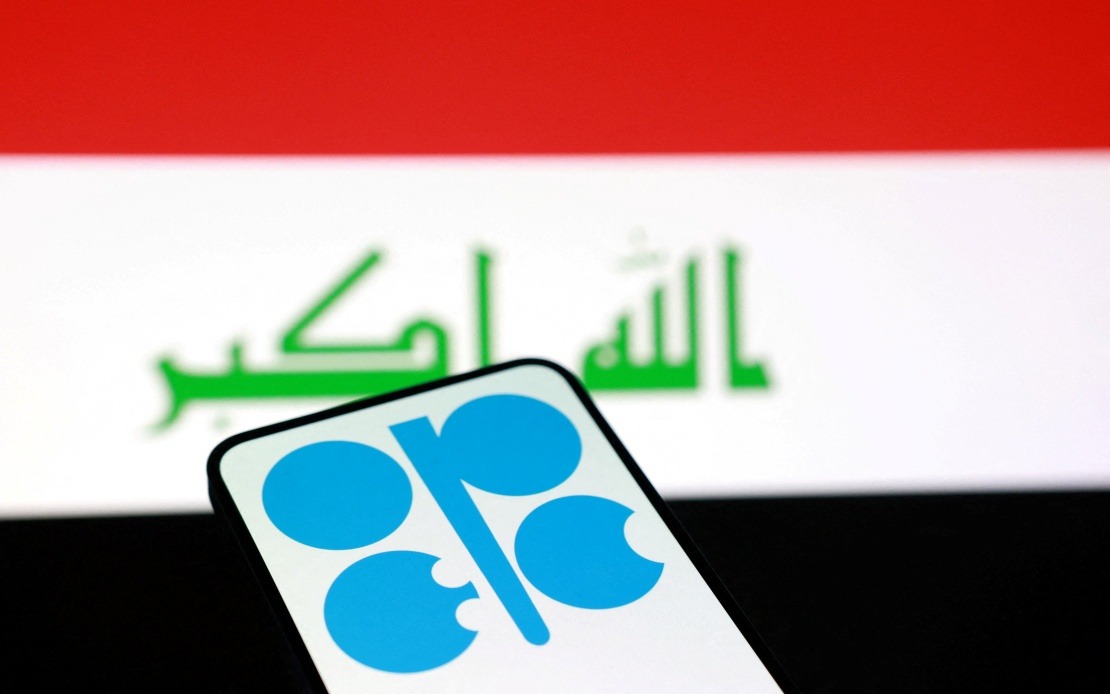
Iraq's government has moved swiftly to dispel speculation that it is contemplating withdrawal from OPEC, with the Oil Ministry issuing a formal statement rejecting claims that Baghdad would reconsider its membership over production quota disputes. The clarification came after Bloomberg reported that Iraq could eventually reassess its position within the cartel if allowed to pump more oil in line with its technical capabilities. Neither Prime Minister Mohammed Shia Al-Sudani nor the wider administration has seriously entertained the idea of exiting the 13-member organization, the ministry emphasized, underscoring that Baghdad remains fundamentally committed to working within OPEC's established framework and collaborative mechanisms.
What Iraq is demanding, however, differs significantly from any threat to leave. The Baghdad authorities argue that OPEC must conduct a thorough reassessment of production ceilings to reflect the genuine sustainable output capacity of each member state, rather than relying on figures that may not align with present-day realities. This position is tied directly to Iraq's exceptional circumstances—decades of conflict, international sanctions, and infrastructure degradation that have stunted the nation's ability to maximize its hydrocarbon reserves. According to Oil Ministry spokesman Salim Al-Rikabi, Iraq is actively pursuing expansion of production in accordance with what the country can realistically achieve, and the cartel's leadership should recognize this expansion through a corresponding increase in Baghdad's permitted output level.
The timing of this dispute is significant for regional energy dynamics and global crude markets. Iraq, historically the second-largest oil producer among OPEC members, has long chafed under production constraints that many officials view as inadequately reflective of the nation's geological potential and post-conflict recovery trajectory. Over four decades of warfare—starting with the Iran-Iraq War, continuing through the Gulf War, and including the more recent conflict against extremist groups—have left Iraqi oil infrastructure severely compromised. Terrorist attacks on production facilities and export terminals have compounded these challenges, making Baghdad's argument that special circumstances warrant preferential treatment within OPEC's quota framework a persistent theme in intra-cartel negotiations.
To address these underlying tensions, OPEC and its allied producers, including Russia and others in the OPEC+ coalition, have already initiated a formal process to reassess the maximum sustainable production capacity of all member nations. This technical review is being conducted in partnership with an independent international consulting firm, with Iraq participating actively in the evaluation. The exercise is designed to establish a more scientifically grounded and equitable basis for setting individual country quotas, moving away from politically contested figures that have generated friction within the organization. The results of this review are expected to inform production targets for 2027, potentially providing Iraq with a pathway to legitimately increase its allocation without triggering broader objections from other members.
Simultaneously, OPEC and its partners are in the early stages of restoring production levels that were voluntarily reduced in recent years to support global oil prices. The organization has begun unwinding these cuts gradually, with plans to discontinue voluntary production restrictions entirely over the coming months. This planned restoration is expected to have a meaningful impact on Iraq's ceiling, as the gradual increases create space within OPEC's overall output framework for member states to boost their individual contributions. For Baghdad, this phased approach represents a more palatable route to higher production than demanding an immediate and sudden revision of quotas, which would face stiff resistance from other members competing for market share.
The Iraqi Oil Ministry has signaled that it views all matters concerning production ceilings and capacity levels as appropriately handled through technical discussions and consensus-building mechanisms embedded within the OPEC+ institutional structure. This emphasis on process rather than confrontation reflects Baghdad's understanding that crude political confrontation risks isolating Iraq within the cartel or prompting other members to vote against its interests. By framing its demands in terms of technical capacity assessments and special historical circumstances, Iraq seeks to shift the conversation from subjective political bargaining to objective measurement of productive capability.
The statement also highlights what Iraqi officials describe as substantial sympathy from fellow OPEC members regarding Iraq's "special situation." Member states have reportedly demonstrated considerable understanding of the unique challenges Baghdad faces, recognizing that the cumulative impact of prolonged conflict, economic sanctions, and infrastructure damage justifies treating Iraq differently than nations without comparable histories of disruption. This recognition, while useful diplomatically, remains incomplete—translating understanding into formal quota increases requires sustained negotiation and the validation provided by technical capacity studies.
For Malaysia and other Southeast Asian crude importers, Iraq's production trajectory carries direct implications. As one of OPEC's most significant producers, any increase in Iraqi output would add supply to global markets, potentially moderating crude price pressures and improving energy security for import-dependent economies across the region. Conversely, if Iraq's quota frustrations deepen and the cartel fails to address them satisfactorily, supply risks could emerge. Malaysia, as a net energy importer with refining capacity that processes Middle Eastern crudes, has a vested interest in stable Iraqi production and a functioning OPEC mechanism that resolves internal disputes without resorting to drastic measures.
The broader significance of Iraq's position within OPEC extends beyond simple production figures. The country represents a crucial swing producer capable of substantially affecting global crude balances, yet it remains institutionally weaker than Saudi Arabia and the United Arab Emirates within cartel deliberations. Iraq's insistence on quota reassessment reflects a wider pattern of smaller or historically disadvantaged OPEC members seeking greater voice and fairer allocation of allowable production. How OPEC handles this challenge will signal whether the organization can evolve to accommodate changing geopolitical and technical realities, or whether it remains locked in rigid arrangements that breed resentment.
Looking ahead, the capacity assessment exercise underway will be the critical test of whether Iraq's demands can be resolved through technical rather than political channels. If the independent consulting firm's findings support Baghdad's contentions that Iraqi fields can sustainably produce significantly more than current quotas permit, then a case exists for raising Iraq's ceiling without requiring other members to absorb corresponding cuts elsewhere. However, if the technical review supports current or only modestly higher figures, Iraq will face pressure to accept the verdict or risk further isolation within OPEC. The stakes extend beyond Iraq alone—how successfully OPEC integrates technical capacity data into its quota-setting decisions will influence the organization's credibility and cohesion as it navigates an energy transition that threatens long-term demand for petroleum products across multiple horizons.

