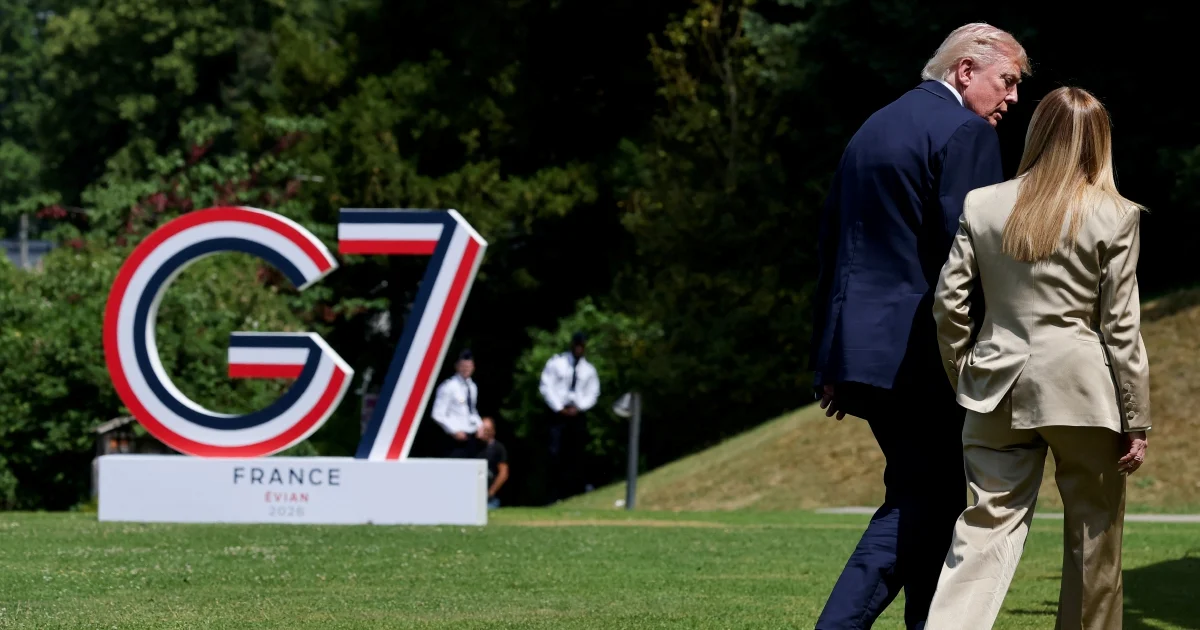
Italy reacted with sharp indignation on Friday following remarks attributed to US President Donald Trump that disparaged Prime Minister Giorgia Meloni, prompting Rome's top diplomat to shelve an intended journey to the United States in protest. The unexpected friction between two NATO allies signals potential diplomatic turbulence as Trump begins his second term, with ramifications that could extend across Europe and the Mediterranean region.
The controversy centred on Trump's reported comments characterizing Meloni as seeking a photograph opportunity, language understood as dismissive of the Italian leader's stature on the world stage. Such public mockery of a fellow leader represents a significant breach of diplomatic protocol, particularly between countries that have traditionally maintained close ties through both bilateral agreements and multilateral security arrangements. For Italy, a G7 member with considerable influence in European affairs, any suggestion that its leader is merely opportunistic strikes at the heart of national prestige and institutional dignity.
Foreign Minister Antonio Tajani's decision to postpone his scheduled visit to Washington conveyed unmistakable displeasure with the reported remarks. Tajani, who holds a prominent position within Meloni's governing coalition, made clear that Italy would not proceed with diplomatic engagements as planned whilst absorbing what officials viewed as gratuitous and disrespectful commentary. This cancellation carried particular weight because such high-level visits typically represent opportunities to advance bilateral interests, and their postponement signals serious dissatisfaction rather than mere routine scheduling changes.
The timing of the friction is notable given the broader European context. Trump's return to office has generated considerable anxiety across the continent regarding potential shifts in American foreign policy, from NATO commitments to trade relations. Italy, despite its historical alignment with Western institutions, has sometimes charted its own course and maintained pragmatic relationships across the political spectrum. Meloni's government, which came to power as a centre-right administration, has generally positioned itself as a reliable Western partner, making Trump's apparent disrespect particularly jarring to Rome's leadership.
For Southeast Asian observers, the episode offers instructive lessons about how personalised diplomatic grievances can quickly escalate into broader bilateral friction. The incident demonstrates that formal alliances do not necessarily insulate countries from public slights, and that national leaders increasingly must navigate environments where controversial remarks can rapidly become international incidents. This pattern of unpredictable presidential commentary creating diplomatic challenges reflects new realities that regional leaders must anticipate when managing relationships with Washington.
Meloni has cultivated a careful diplomatic image, positioning Italy as a stabilising force within both the European Union and NATO whilst maintaining distinctly Italian interests in Mediterranean affairs. Any perception that her international standing has been diminished by Trump's comments threatens the delicate balance she has constructed. The response from Rome indicates that Meloni's government will not simply absorb such treatment silently, establishing boundaries around what constitutes acceptable discourse between allied nations.
The cancellation of Tajani's visit demonstrates Italy's willingness to impose immediate costs for diplomatic transgressions. Rather than engaging in extended quiet negotiations or allowing the controversy to dissipate through media cycles, Italy chose a visible, tangible response that signals seriousness without severing the relationship entirely. This approach reflects European diplomatic traditions that emphasise proportionate responses and preservation of channels for eventual reconciliation.
Trump's reported comments also raise questions about the consistency and reliability of American diplomatic engagement under his administration. European leaders have already expressed concerns about trade policies, NATO burden-sharing demands, and overall predictability of American foreign policy direction. Trump's apparent willingness to publicly belittle a fellow democratically elected leader adds to the perception that his administration may operate according to personal preferences rather than institutional diplomatic norms.
The broader significance of this row extends beyond Italy. Meloni commands considerable respect among European conservatives and has been notably vocal on defence spending and NATO contributions. A US president who dismisses her publicly risks alienating other European leaders who worry their own interests might be similarly discounted based on personal factors rather than strategic calculation. This incident potentially affects Trump's standing with his natural allies within Europe's political leadership.
From Malaysia's vantage point, developments in US-European relations carry implications for regional stability and the broader architecture of international relationships. The diplomatic friction between Washington and Rome, two Western powers with deeply entrenched institutional ties, suggests that no relationship is automatically immune from deterioration when leadership personalities clash. For Southeast Asian nations carefully calibrating their own positions amid great power competition, the incident underscores the importance of building resilient institutional relationships that can withstand individual leadership tensions.
Italian officials have not publicly elaborated on whether the cancellation will be brief or sustained, leaving space for eventual diplomatic repair. However, the swift and visible response makes clear that Meloni's government will not accept being treated as diplomatically subordinate, despite any disparity in military or economic power. The incident reflects broader complexities in managing relationships with an unpredictable American administration whilst maintaining national dignity and European standing.

