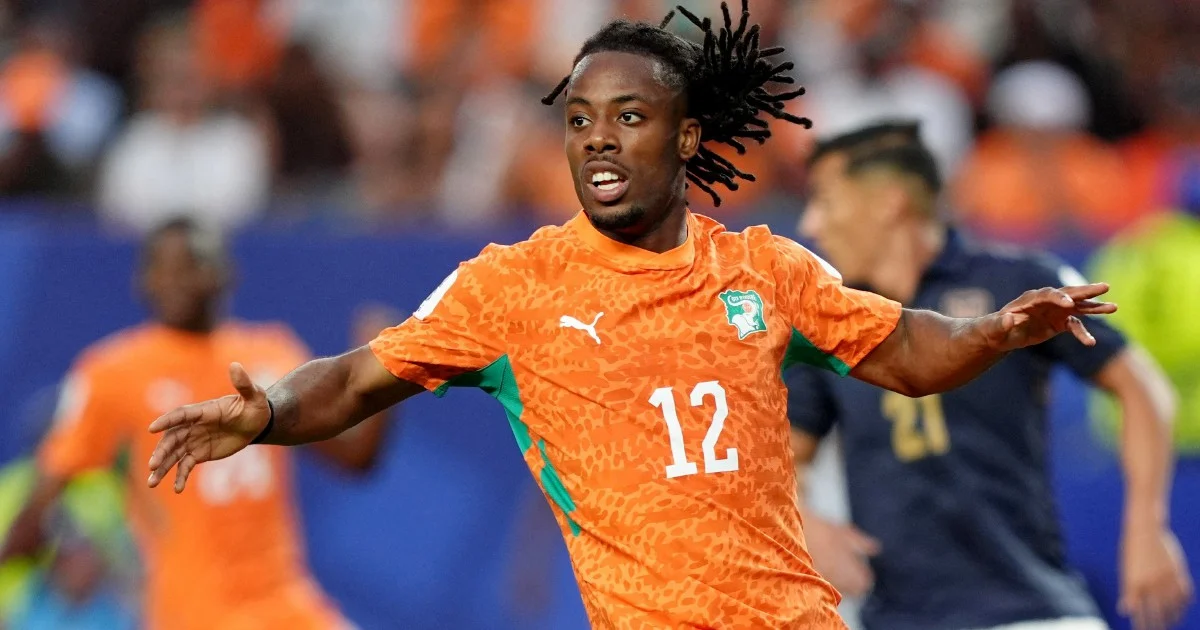
Ivory Coast's Elye Wahi, the forward who started in his nation's World Cup victory over Ecuador on Sunday, was taken into custody in May as part of a French criminal investigation into suspected spot-fixing activities, according to reporting from The Athletic on Wednesday.
The arrest represents a significant development in ongoing efforts by French authorities to root out corruption within professional football. Match-fixing scandals have plagued European football for years, with investigators across the continent working to identify players, officials, and third parties involved in manipulating outcomes or specific events within matches. The detention of an international player competing at the World Cup level underscores the reach and seriousness of these investigations.
Spot-fixing, distinct from match-fixing that determines entire game outcomes, involves the manipulation of specific incidents within a match—such as the timing of a particular goal, the awarding of a penalty, or the occurrence of a red card. This form of corruption is particularly insidious because it can be difficult to detect and often targets lower-profile moments that may escape immediate scrutiny. The practice has attracted organised crime involvement in various jurisdictions, drawing law enforcement attention across borders.
Wahi's detention raises important questions about the vetting and monitoring processes that govern player conduct at international tournaments. The Ivory Coast Football Federation will likely face scrutiny regarding what was known about the investigation and how the player was cleared to participate in World Cup fixtures. Tournament regulations and international football governance bodies, including FIFA, typically address eligibility and background concerns, though the timing and coordination between national authorities and governing bodies can create grey areas.
The incident also highlights the vulnerability of rising talent in African football to external pressures and potential coercion. Younger players establishing themselves at international level may face targeting from individuals seeking to exploit their relative inexperience or financial circumstances. This has been a recurring concern in discussions about corruption prevention across African leagues and national teams, where regulatory frameworks remain less developed than in some European competitions.
French authorities have intensified investigations into football corruption following numerous previous cases involving both domestic and international players. The French Football League and national governing bodies have cooperated with law enforcement to implement stronger monitoring systems, though challenges persist in identifying and preventing sophisticated schemes. The involvement of a World Cup participant suggests that investigative efforts are not deterred by the high-profile status of individuals under scrutiny.
For Ivory Coast, the situation presents both a sporting and diplomatic challenge. The West African nation has invested significantly in developing its football infrastructure and international reputation through competitive performances. Any association with corruption investigations can damage this image and complicate relationships with international partners, particularly in Europe where many Ivorian players compete professionally.
The broader implications for Southeast Asian readers and nations warrant consideration, as match-fixing remains a persistent concern across the region's football ecosystem. Several Southeast Asian leagues have experienced corruption scandals, and regulatory bodies across ASEAN have sought to strengthen detection mechanisms and player education programmes. The case of Wahi demonstrates that corruption investigation and enforcement operate across borders and at multiple levels of football governance, from club competitions to international tournaments.
International cooperation between law enforcement agencies has become essential in addressing match-fixing networks, which often involve coordinated activities across multiple countries. France's willingness to pursue investigations even when they involve World Cup participants reflects broader commitments by UEFA and FIFA member nations to maintain integrity standards. However, the varying effectiveness of anti-corruption measures across different jurisdictions remains a challenge for unified enforcement efforts.
The timing of the arrest disclosure—weeks after the World Cup match—indicates that investigations often progress discretely before becoming public. This approach allows authorities to gather evidence and conduct interviews without compromising ongoing inquiries, though it also means that players may remain active in competition while under investigation. Questions have been raised internationally about whether protocols exist for temporarily suspending players implicated in serious allegations while investigations proceed.
Wahi's case underscores the necessity for comprehensive player education and support systems that help footballers understand the risks of corruption schemes and provide protected channels for reporting coercion attempts. FIFA and continental federations have developed programmes addressing these issues, yet accessibility and effectiveness remain inconsistent across different regions and levels of competition.
Looking forward, the resolution of Wahi's case through the French judicial system will provide important precedents for how international football addresses corruption involving multiple jurisdictions and high-profile participants. The investigation's outcomes may influence how FIFA and confederation-level bodies calibrate their own integrity mechanisms and disciplinary processes.