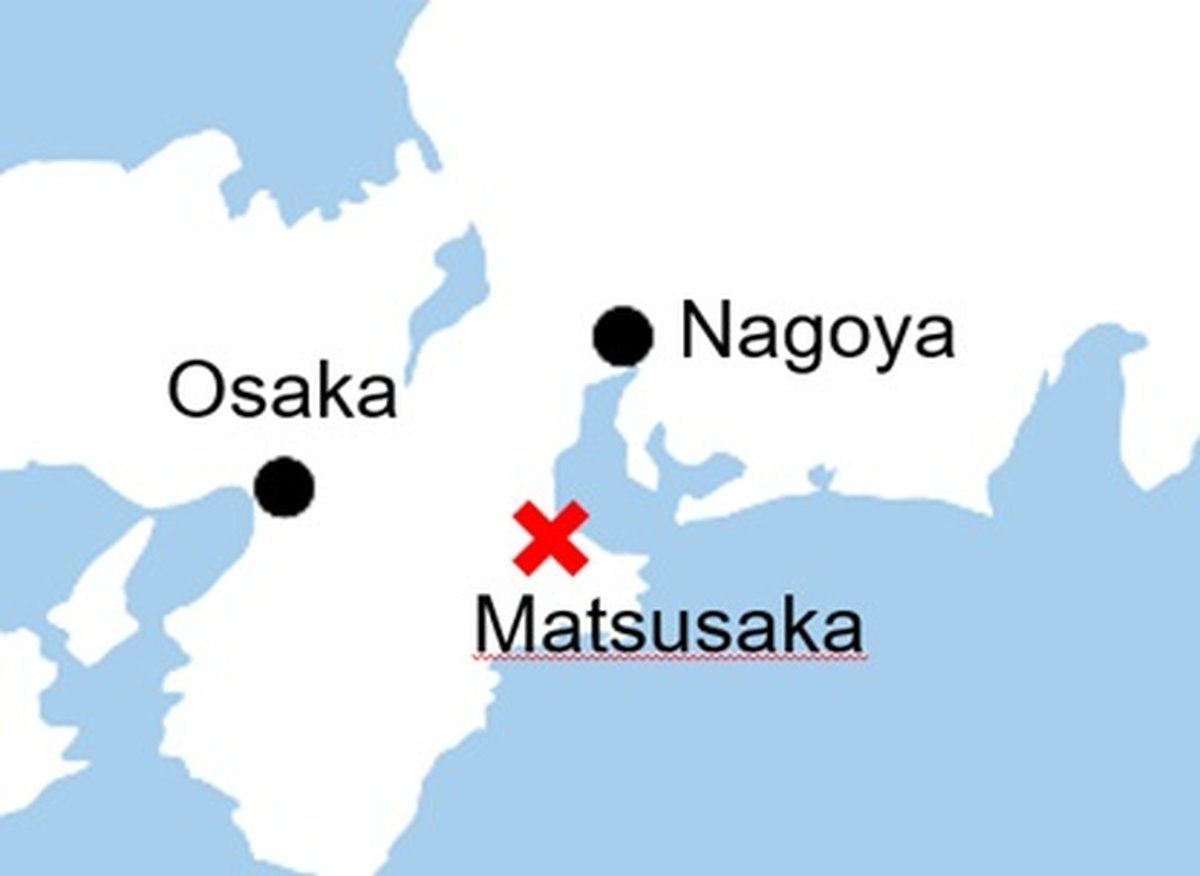
A 35-year-old resident of Matsusaka in Mie Prefecture has been taken into custody following allegations that he confined his partner's five-year-old daughter in a garbage can, an incident that has drawn fresh attention to child welfare concerns in Japan. Police arrested the man on Thursday, June 18, after establishing that he had placed the girl inside the refuse bin and secured the lid shut during an incident at his partner's home on May 12. The suspect has acknowledged his involvement in the incident.
The confinement occurred at approximately 6:30 pm on the evening in question, when the man carried the young girl to the garbage container on the property and placed her inside with the lid closed. The child remained trapped in the confined space for roughly five minutes before being removed. Despite the distressing nature of the ordeal, the girl sustained no physical injuries from the experience. When questioned by investigators, the man characterised his actions as a disciplinary measure, a justification that has raised serious questions about the boundaries between permissible punishment and child abuse under Japanese law.
The incident came to light through official channels when a child welfare centre became aware of what had transpired and promptly reported the matter to police on May 20, more than a week after the event. This delayed reporting mechanism highlights the critical role that social welfare agencies play in identifying potential cases of child maltreatment and initiating proper investigation. The notification triggered a formal police inquiry that ultimately resulted in the arrest and admission of guilt by the suspect. Beyond the immediate victim, the girl's older sister has also been placed under the protective supervision of the child welfare centre, suggesting investigators may have concerns about the broader welfare environment in the household.
The case underscores the persistent tension in Japan between traditional approaches to child discipline and modern understandings of child protection and trauma. While Japanese culture has historically permitted relatively strict physical and psychological discipline by parents and guardians, international child protection standards and domestic advocacy groups have increasingly challenged practices that restrict a child's movement or cause psychological distress. Confining a young child in an enclosed space such as a garbage bin carries obvious risks of panic, psychological harm, and potential injury, even if physical harm does not materialise in a particular instance.
For Malaysian readers, this case offers instructive parallels and contrasts with child protection frameworks in Southeast Asia. Malaysia has made significant strides in strengthening child protection laws through mechanisms including the Child Act 2001 and the establishment of social welfare authorities, yet cases of abuse continue to surface across the region. The Japanese incident illustrates how even developed nations with sophisticated institutional safeguards must remain vigilant in identifying and responding to forms of mistreatment that might otherwise go unreported. The involvement of a welfare centre in this case demonstrates the importance of mandatory reporting systems and accessible channels through which abuse can be flagged to authorities.
The detention of both children by Malaysian welfare standards would likely proceed along similar lines, with the involvement of social welfare officers and potentially family courts in determining appropriate protective measures and any necessary judicial interventions. The case also reflects broader questions about how societies balance parental rights and community respect for family privacy against the fundamental rights of children to safety and dignity. In Malaysia, as in Japan, such tensions occasionally surface when cases of extreme discipline attract public scrutiny and prompt review of existing policies.
The timing of the incident in May, with discovery only materialising in late May and arrest following in mid-June, reveals potential gaps in real-time detection of abuse. In contexts where extended family networks or domestic help staff might have earlier awareness of concerning behaviour, more robust informal reporting mechanisms could potentially accelerate intervention. Malaysia's experience with child protection has similarly identified the value of community awareness campaigns and training for those in regular contact with children, including teachers, healthcare workers, and neighbours.
The characterisation of the confinement as disciplinary raises complex questions about cultural norms and legal standards. While most modern jurisdictions, including Malaysia, have moved toward prohibiting forms of punishment that involve physical violence or psychological degradation, defining the precise boundaries remains contested in some contexts. This case suggests that in Japan, at least for the purposes of criminal law, confining a small child in a garbage container crosses a clear threshold into unacceptable treatment, regardless of the perpetrator's stated intention.
Moving forward, the case will likely proceed through Japan's criminal justice system, with sentencing dependent on applicable statutes governing child cruelty or abuse. The involvement of both the girl and her sister with child welfare services points toward a longer-term protective framework that extends beyond the criminal case itself. For Malaysia and other Southeast Asian nations, cases of this nature serve as reminders of the ongoing need for investment in child protection infrastructure, public awareness of reporting mechanisms, and training for professionals who encounter vulnerable children in their daily work.

