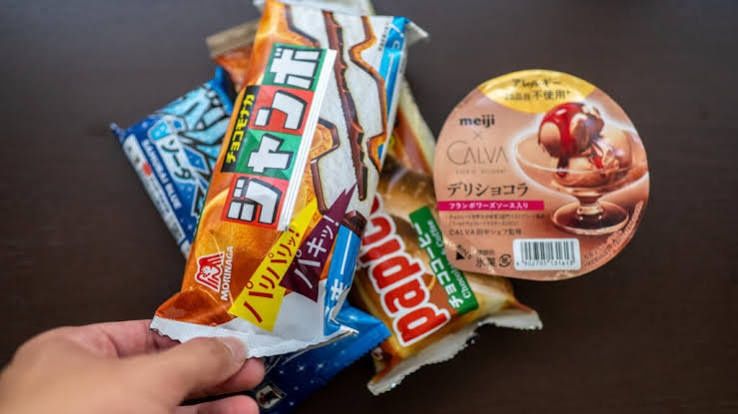
Japan's competition regulator has intensified its scrutiny of the country's ice cream sector, launching coordinated raids against six of the nation's largest producers on suspicion of orchestrating a price-fixing cartel at a time when consumer spending on frozen treats is reaching record levels. The Japan Fair Trade Commission descended on the head offices of Meiji Co., Morinaga Milk Industry Co., Lotte Co., Ezaki Glico Co., Morinaga & Co., and Akagi Nyugyo Co. on Tuesday, marking an aggressive move to determine whether industry leaders engaged in unlawful coordination to boost margins during a period of rising input costs and inflation.
According to sources familiar with the investigation, company officials are believed to have maintained sustained contact over several years through both electronic correspondence and in-person meetings to synchronize the timing and magnitude of price increases imposed on retailers and consumers. This coordinated approach allegedly enabled the six firms to raise prices simultaneously at regular intervals, potentially limiting consumer choice and competitive pricing pressures that would normally benefit shoppers. The alignment of price increases represents the type of market manipulation that Japan's antitrust authorities view as particularly damaging to competition and consumer welfare.
The timing of the raids is significant, arriving as Japan's ice cream market enters its most profitable season heading into summer months when demand peaks sharply. The sector has demonstrated robust financial performance, with the Japan Ice Cream Association reporting that ice cream sales reached a record-breaking 660 billion yen in the fiscal year ending March, driven partly by exceptional weather conditions during Japan's hottest summer since 1989 when nationwide temperature records began. This buoyant market environment makes the alleged cartel particularly consequential, as the coordination may have allowed participating firms to capture excessive profits that would have otherwise accrued to consumers through lower prices.
The JFTC's investigation extends beyond simply documenting price coordination among competitors. Regulators are examining whether the six companies exploited legitimate inflation in raw ingredient costs as a convenient justification for price increases that exceeded what rising commodity expenses would reasonably necessitate. This analytical approach reflects growing international concern that businesses have weaponized supply-chain disruptions and inflation narratives to push through profit-margin expansion disguised as necessary cost adjustments. By scrutinizing whether price hikes were proportionate to genuine input cost increases, Japanese authorities are attempting to distinguish between legitimate pricing responses and opportunistic profiteering masked by broader economic headwinds.
Five of the companies targeted immediately released statements confirming they had received visits from JFTC investigators and pledging cooperation with the inquiry. Natsuyo Suzuki of Akagi Nyugyo similarly acknowledged the on-site inspection and committed to working constructively with regulators, suggesting the firms recognize the serious nature of antitrust violations and may be positioning themselves to negotiate settlements or demonstrate compliance. This cooperative posture differs markedly from defensive approaches sometimes adopted in cartel investigations, potentially indicating the companies understand the evidence against them or view collaboration as the most advantageous path forward.
The potential consequences for the six firms extend beyond reputational damage. If the JFTC substantiates cartel allegations, the regulator possesses statutory authority to issue cease-and-desist orders requiring companies to abandon anticompetitive practices and implement corrective measures. More painfully for shareholders and executives, confirmed cartel participants face mandatory financial penalties that can impose substantial costs on corporate earnings. The magnitude of fines depends on factors including the duration of collusion, the volume of affected sales, and the degree of harm to consumers, though Japanese antitrust penalties typically prove less severe than those imposed under European Union competition law.
This investigation arrives amid heightened international focus on competition enforcement and consumer protection. Antitrust regulators worldwide have grown increasingly vigilant about cartel activity, recognizing that price coordination in consumer-facing sectors directly harms household budgets and living standards. Japan's move reflects a broader pattern of enforcement intensification across Asia-Pacific economies, where competition authorities have pursued high-profile cases targeting everything from semiconductor manufacturing to pharmaceutical pricing. For Malaysian and Southeast Asian observers, the case underscores how regional competition regulators are developing comparable enforcement capabilities and sharing intelligence about suspected cartels that may have transnational dimensions.
The ice cream sector itself presents particular vulnerability to cartelization due to its concentrated market structure dominated by a handful of established manufacturers with substantial distribution networks and brand recognition. These structural features create natural opportunities for coordination, as fewer competitors simplify communication requirements and reduce the likelihood that price discipline will be disrupted by aggressive price-cutting from unexpected quarters. The six firms named in the raid collectively command the vast majority of Japan's retail ice cream market, meaning their pricing decisions substantially determine what Japanese consumers pay for frozen desserts throughout the country.
For Malaysia and the broader Southeast Asian region, the Japanese case carries instructive implications for competition policy and consumer protection frameworks. Malaysia's Ministry of Domestic Trade and Cost of Living and the competition authorities across ASEAN nations may find valuable precedent in how the JFTC approaches cartel investigation methodology, particularly its focus on coordinating evidence and the temporal alignment of price movements. The investigation also highlights how inflation can provide convenient cover for cartel activity, a concern that applies with particular urgency throughout Southeast Asia where economies have experienced significant price pressures in recent years affecting essential consumer goods and popular products.
The broader significance of the investigation extends to questions about market transparency and information availability that modern business practices create. In an era of instant electronic communication and sophisticated pricing algorithms, coordinating price increases requires less overt communication than historical cartels demanded, potentially making detection more challenging for regulators. The alleged use of emails and meetings by the Japanese ice cream companies represents relatively conventional coordination methods, yet authorities successfully identified patterns suggesting collusion, demonstrating that sophisticated monitoring and economic analysis can still uncover anticompetitive behavior even when perpetrators employ common digital tools.
As the investigation progresses, the outcome will likely influence how Japan's ice cream manufacturers structure their pricing decisions and competitive strategies moving forward. Beyond the immediate sector impact, the case sends important signals about the JFTC's willingness to pursue aggressive enforcement actions against established industry players even during periods of acknowledged cost pressures and market strength. This stance reinforces that competition law violations will not be tolerated merely because broader economic conditions create plausible justifications for price increases, a message that resonates throughout Asia's business community where executives must navigate both operational pressures and increasingly stringent antitrust compliance requirements.