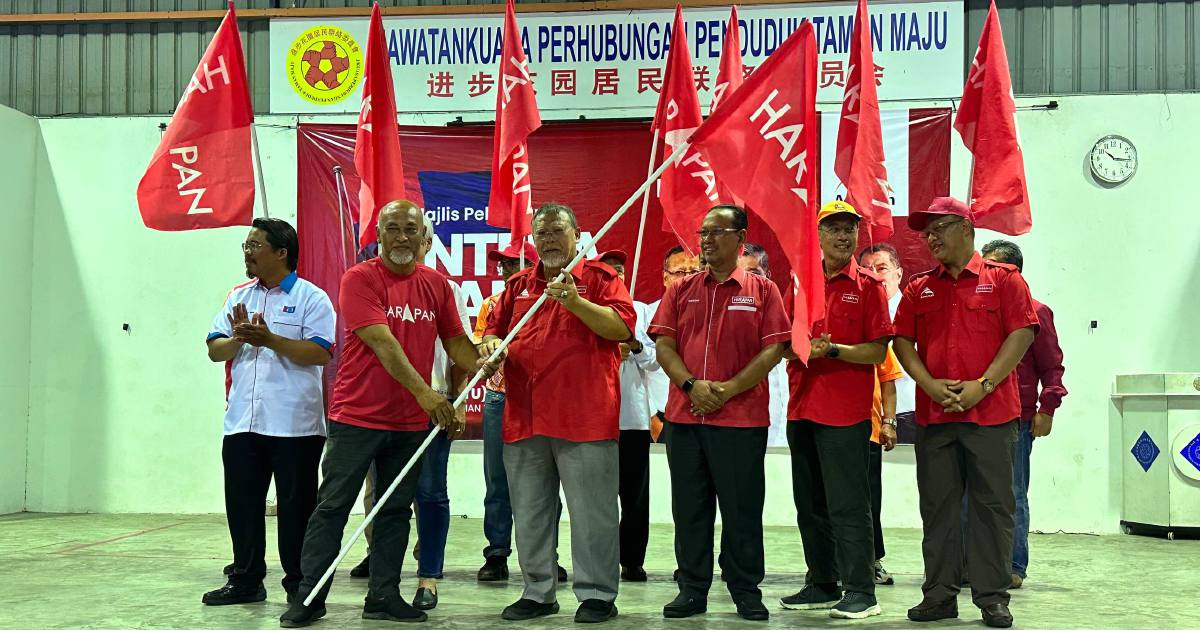
Johor Amanah is banking on a strong showing in the northern zone of the state, targeting the capture of at least six seats from the ten constituencies it will contest when Johor voters go to the polls on July 11. The party's optimism reflects its strategy of concentrating electoral efforts in this region, where it believes it has cultivated sufficient grassroots support and organisational momentum ahead of the election.
The northern zone of Johor encompasses several key constituencies that have historically been competitive, with varying levels of support for different political blocs. Amanah's decision to field candidates across ten seats in this area signals the party's commitment to expanding its foothold in a state where it has traditionally held a limited presence compared to larger coalition partners. The party's leadership has expressed confidence that recent grassroots engagement and political developments have created favourable conditions for electoral gains.
Amanah's electoral ambitions must be understood within the broader context of Malaysian coalition politics. As a component party of Pakatan Harapan, which has seen shifting fortunes and internal dynamics in recent years, Amanah's performance in Johor carries significance beyond the state itself. The party has been working to strengthen its position as a credible alternative voice, particularly among urban and younger voters who respond to its secular-nationalist messaging.
The timing of the Johor election comes at a significant moment in Malaysia's political cycle. State elections in the peninsula's second-largest state often serve as bellwethers for national sentiment, with results frequently interpreted as indicators of voter mood ahead of any potential general election. Amanah's target of six seats represents a meaningful presence that could influence post-election coalition negotiations and state government formation.
In the northern zone specifically, Amanah has identified constituencies where demographic trends and recent political shifts present openings. The party has conducted extensive ground work, including engagement with community leaders, business associations, and civil society groups. This localised approach aims to build the personal connectivity that often determines outcomes in Malaysian state elections, where community issues frequently outweigh national narratives.
The party's confidence also reflects calculations about the political landscape in these constituencies. Some seats in the northern zone have experienced demographic changes that may favour parties with Amanah's positioning on issues such as transparency, anti-corruption, and development accountability. The party's messaging has emphasised these themes in contrast to what it characterises as political complacency and entrenched interests.
Amanah's targeting of six seats from ten contested represents a realistic assessment rather than overconfidence. Winning 60 percent of contested seats would constitute a strong performance for the party in Johor, where it faces competition not only from Barisan Nasional and Perikatan Nasional but also from fellow Pakatan Harapan partners. The internal dynamics of the opposition coalition will significantly influence how votes distribute across the three main blocs.
The northern zone contests will also test Amanah's ability to leverage PKR's support and organisational machinery while maintaining its distinct identity. Voters in these constituencies will be choosing between different visions for development, governance quality, and representation. Amanah is positioning itself as offering fresh leadership uncombered by the historical baggage that affects older, more established parties.
Local issues particular to the northern zone will play crucial roles in determining outcomes. Infrastructure deficits, land matters affecting farming communities, rubber and palm oil industry concerns, and small business viability are among the economic questions that frequently dominate campaign conversations in rural and semi-rural constituencies. Amanah's campaign strategy has incorporated responses to these bread-and-butter concerns alongside broader governance messages.
The July 11 election represents a significant test of Amanah's electoral machinery and political messaging in a state where it has not traditionally been a major player. A six-seat win would establish the party as a consequential force in Johor politics and potentially influence how the post-election government is formed if no single bloc secures a commanding majority. Conversely, falling short of this target could prompt strategic reassessment within the party and its coalition partners.
Beyond the immediate contest, Amanah's performance will carry implications for the broader Pakatan Harapan coalition, which has faced internal strains and public perception challenges in recent years. A credible showing by the party could strengthen narratives about the coalition's capacity to offer competitive governance alternatives, while disappointing results might invite further questions about unity and competitiveness.
The weeks leading to July 11 will see intensified campaigning across the northern zone constituencies. Amanah is investing significant resources in candidate preparation, volunteer mobilisation, and targeted messaging aimed at swing voters and those previously unengaged with the party. The outcome will provide valuable data about voter receptivity and the effectiveness of the party's organisational and messaging strategies heading into potential future electoral contests.

