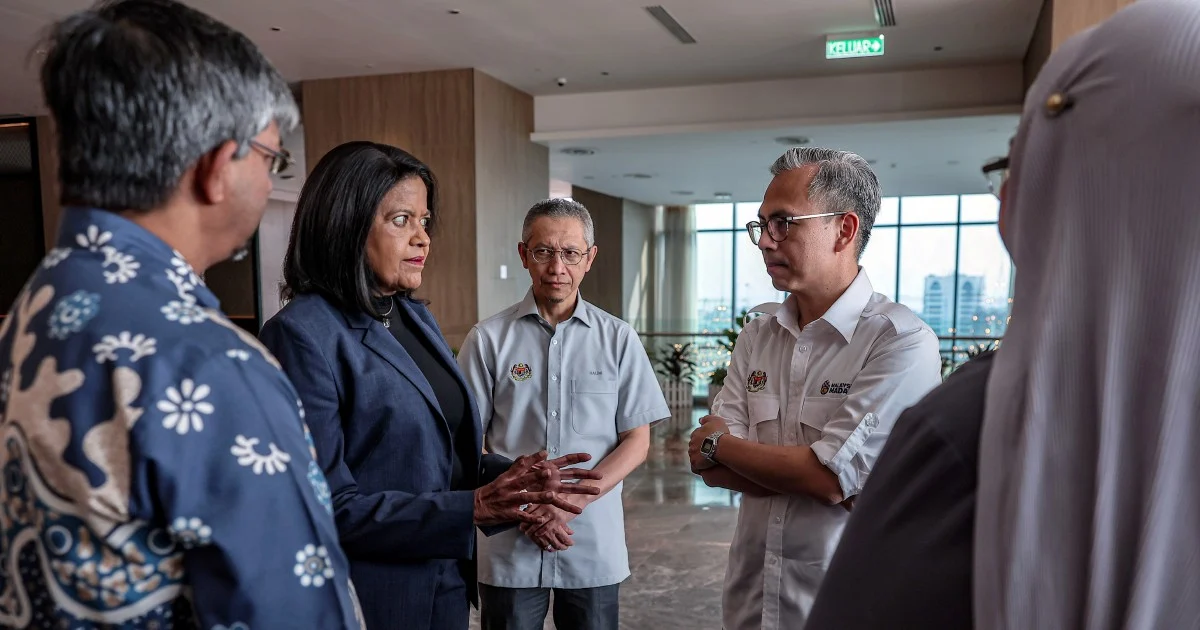
The Malaysian Media Council intends to leverage the forthcoming state elections in Johor and Negri Sembilan as a proving ground for an experimental initiative designed to confront the growing challenge of false and misleading information that circulates during electoral campaigns. This pilot programme represents a deliberate effort to develop practical tools for verifying claims made by candidates and political parties, with the broader goal of strengthening public confidence in the integrity of the electoral process and the reliability of information available to voters.
The prevalence of disinformation and fabricated narratives during election campaigns has emerged as a significant concern across Southeast Asia in recent years. In Malaysia's political context, the challenge is particularly acute given the reach of social media platforms, which have become primary channels for political messaging and grassroots mobilisation. Voters navigating multiple information sources—traditional media, digital platforms, messaging applications, and informal networks—often struggle to distinguish credible reporting from rumour and deliberate falsehood. The Malaysian Media Council's intervention reflects recognition that institutional mechanisms must adapt to address this evolving threat to informed democratic participation.
The specific design and operational scope of the MMC's new fact-checking mechanism remain subjects for development during the electoral cycle in these two states. The council appears to be taking an iterative approach, gathering practical experience with deployment challenges, identifying systemic vulnerabilities in information verification, and refining protocols based on real-world conditions. This methodology acknowledges that theoretical frameworks for combating disinformation often require substantial modification when applied to the fluid, high-stakes environment of electoral politics, where competing narratives proliferate rapidly and reach enormous audiences within hours.
For Malaysian voters, the implications of this initiative are potentially significant. A functioning fact-checking system deployed during campaigns could reduce the informational asymmetries that disadvantage certain voter segments, particularly those with limited access to multiple information sources or lower digital literacy. Rural voters in Johor and Negri Sembilan, where internet penetration and media consumption patterns differ from urban centres, may particularly benefit from institutional verification efforts that cut through the fog of contested claims and competing versions of events.
The timing of this pilot programme also reflects broader regional trends. Across Southeast Asia, countries including Indonesia, Thailand, and the Philippines have grappled with the destabilising effects of election-related disinformation. Indonesia's experience with fact-checking initiatives during its recent electoral cycles offers instructive lessons about the technical, organisational, and political challenges involved in scaling such operations. The Malaysian Media Council's approach suggests learning from regional precedents while developing mechanisms suited to Malaysia's specific media landscape and political culture.
Coordination between the MMC and electoral authorities will be essential to the initiative's effectiveness. State election commissions, political parties, and accredited media organisations must understand and cooperate with fact-checking protocols. Questions remain about how the council will prioritise claims for verification when resources are inevitably limited, how it will ensure perceived neutrality in an environment where all sides may contest its findings, and whether real-time fact-checking can match the speed at which false narratives spread through digital channels.
The Johor and Negri Sembilan elections will test these operational dimensions while generating data about public receptiveness to institutional fact-checking. Voter behaviour research during and after these campaigns may illuminate whether fact-checks actually influence how people evaluate political information, or whether psychological factors like partisan identity overwhelm the persuasive force of evidence-based corrections. Understanding these dynamics matters not only for the MMC's refinement of its approach but for policymakers considering how to defend information ecosystems against manipulation.
Successfully implemented, this initiative could establish a model applicable to future elections in other Malaysian states and at the federal level. It could also contribute to a broader shift in how Malaysian media institutions and civil society organisations approach the shared responsibility of protecting electoral integrity. However, success will depend on sustained commitment and adequate resourcing beyond the initial pilot phase, as well as genuine political will from stakeholders to prioritise truth over tactical advantage.
The initiative also signals that Malaysia recognises disinformation as a threat requiring active institutional response rather than passive reliance on market mechanisms or individual media literacy. This positioning distinguishes the Malaysian approach from some other democracies, where fact-checking has remained primarily a journalistic function rather than a coordinated sector-wide effort. Whether the MMC model proves more effective in combating false narratives and strengthening electoral legitimacy will become apparent in the coming months as these elections approach and the council's mechanism is tested against real-world conditions.

