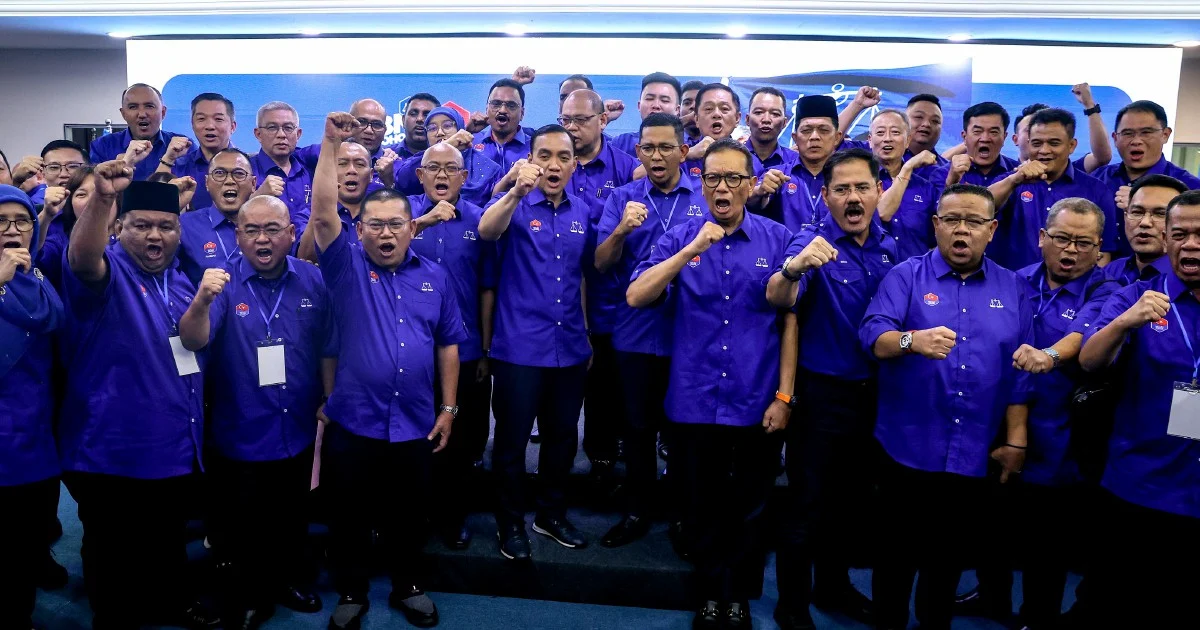
Barisan Nasional's publication of its full slate of candidates for the Johor election has effectively extinguished weeks of intense political speculation about a potential electoral pact between the coalition, PAS, and Parti Wawasan Negara. The absence of any Wawasan representatives among the officially announced BN nominees clarifies the coalition's strategic direction ahead of polling day, marking a significant recalibration of alliances in the southern state.
The candidacy announcement represents a crucial inflection point in Johor's political theatre. For weeks prior, political observers and analysts had circulated theories about whether BN might broaden its electoral reach by formally incorporating Wawasan into its existing framework, particularly given the smaller party's growing attempts to establish a foothold in Peninsular Malaysia's political landscape. The decision to proceed without Wawasan representatives effectively closes that chapter, at least for this electoral cycle.
Part Wawasan Negara, established as a breakaway faction from broader Malay-Muslim political movements, has positioned itself as an alternative voice within Malaysia's increasingly fragmented political spectrum. The party's exclusion from BN's candidate list suggests the coalition leadership determined that such an arrangement would either complicate internal party dynamics or prove unnecessary for securing electoral dominance in Johor. This calculation reflects the coalition's confidence in its existing organisational structures and membership base.
The coalition's approach to PAS remains to be seen, though the absence of Wawasan from the candidate roster signals that any electoral accommodation with the Islamic party would likely occur through existing mechanisms rather than through formal coalition expansion. PAS has maintained its own independent political trajectory even as it coordinates with BN in certain constituencies and state assemblies across Malaysia, a fluid arrangement that has proven workable since their reconciliation in recent years.
For Johor specifically, BN's decision underscores the coalition's assessment that it possesses sufficient electoral appeal and party machinery to contest the state without requiring additional allied parties. The coalition has historically performed strongly in Johor, with deep roots across urban and rural constituencies. By limiting its formal partnerships to established arrangements, BN appears to be prioritising internal unity and avoiding the complications that might arise from integrating a newer political entity with its own distinct organisational culture and supporter base.
Wawasan's exclusion potentially reflects broader calculations within Malaysian politics about which political movements warrant coalition-level partnership. Established players like PAS, despite their ideological distinctiveness, enjoy substantial grassroots networks and voter loyalty that make them valuable partners. Wawasan, by contrast, remains a relatively nascent force seeking to establish credibility and electoral presence. The coalition's decision suggests that for now, BN views Wawasan as insufficiently influential to merit formal candidate-sharing arrangements.
This development carries implications for how Malaysian political alliances are likely to evolve before the next general election cycle. It demonstrates that coalition composition remains fluid and responsive to electoral strategy and organisational capacity rather than being locked into permanent structures. Parties vying for political relevance must demonstrate tangible constituencies and electoral pulling power to secure inclusion in such pacts.
The timing of BN's candidate announcement is also significant. By releasing the full slate without Wawasan representatives, the coalition eliminates ambiguity that might otherwise persist during campaigning. Clear messaging about candidate identities and party affiliations helps voters understand their choices and allows campaigners to pursue targeted strategies without confusion about where support ultimately lands within the electoral system.
For Johor voters, the candidate lineup clarifies which parties will contest for their support. The absence of Wawasan nominees means that voters seeking alternatives to both BN and opposition coalitions will either need to identify independent candidates or recalibrate their political preferences toward existing parties. This simplification of electoral choice may benefit BN by reducing the fragmentation of anti-opposition voting blocs.
Looking forward, Wawasan's exclusion from this contest does not necessarily preclude future partnerships with BN or other established coalitions. Political alignments in Malaysia frequently shift based on performance, electoral mathematics, and leadership calculations. However, the party will need to demonstrate stronger electoral credentials before commanding the kind of formal alliance presence that BN candidate-sharing represents. The path forward for Wawasan likely involves building state-level influence and grassroots presence through independent contests or secondary partnership roles before securing major coalition positions.
The broader pattern evident in this decision reflects how Malaysian politics continues to balance coalitional expansion with maintaining organisational coherence. BN's choice to proceed with its existing partnership framework while excluding Wawasan suggests the coalition leadership believes its current structure remains optimal for winning Johor. Whether this assessment proves correct will become clear once campaigning intensifies and voters render their verdicts at the ballot box.

