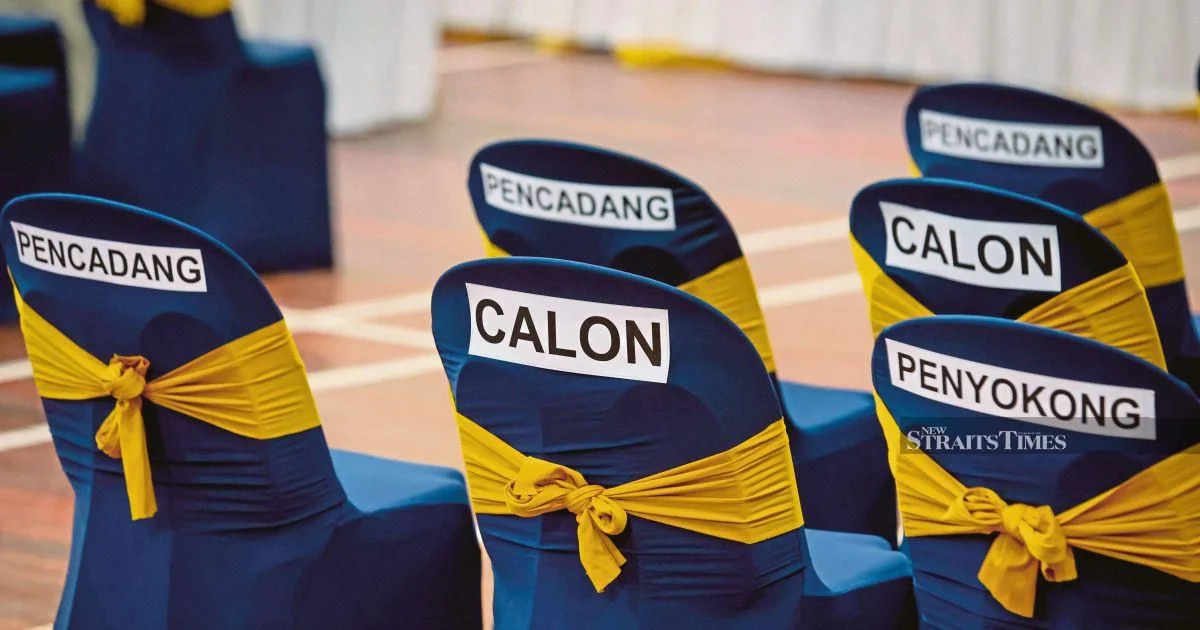
Malaysia's Election Commission has officially announced that Saturday, June 27 will serve as the nomination day for the 16th Johor state election, setting the formal stage for candidates to lodge their nominations. The decision, confirmed by the EC, represents a critical juncture in the electoral calendar for one of the country's most significant states, both economically and politically. This scheduled date will determine which candidates can contest the Johor seats, with procedures expected to follow the commission's standard protocols for state-level elections.
The timing of this announcement carries particular weight in Johor's political context, as the state has historically served as a bellwether for national sentiment and a stronghold for various political coalitions. The 16th state election marks another electoral cycle in the state's governance, following previous polls that have shaped Johor's political trajectory. The nomination process itself is crucial as it represents the formal gateway through which potential representatives must pass before they can campaign and compete for votes across the state's constituencies.
The Election Commission's directive emphasizes strict adherence to nomination procedures, signalling that all participating parties and independent candidates must comply fully with established guidelines. This compliance requirement extends to documentation, candidate eligibility verification, and submission protocols. Political parties and candidates attempting to register for the election will need to submit their nomination papers within the designated timeframe, likely following a window that includes and extends beyond nomination day itself. Non-compliance could result in candidates being barred from contesting, a consequence that focuses minds within party structures to ensure meticulous adherence to all administrative requirements.
The situation is complicated by weather warnings issued for the region, with meteorological authorities forecasting potentially severe storm conditions during the nomination period. This poses logistical challenges for the EC's operations, as well as for political parties attempting to mobilize candidates and supporters during the nomination process. The commission's explicit urging of compliance suggests an awareness of potential disruptions and a determination to proceed with scheduled timelines despite environmental obstacles. Such weather considerations are not unusual in Malaysia's tropical climate, particularly during the monsoon transitions, but they require contingency planning and operational flexibility.
For political parties across Johor, the nomination day represents a critical opportunity to finalize their candidate lineups and demonstrate their organizational readiness for the campaign phase. The event typically involves nominations being submitted at designated locations, with officials processing applications and issuing receipts that confirm a candidate's formal entry into the race. Different political coalitions and independent groupings have been preparing their candidate selections and vetting processes leading up to this date, and the actual nomination day effectively locks in their strategic choices for the election ahead.
The storm warning adds an unpredictable element to standard electoral operations. The EC must balance its commitment to conducting the election process on schedule with practical realities of severe weather conditions. Whether the commission intends to proceed regardless of weather severity, or whether contingency dates might be activated if conditions prove untenable, remains implicit in the announcement. This ambiguity underscores how institutional electoral procedures must sometimes adapt to circumstances beyond bureaucratic control, yet the commission's emphasis on compliance suggests a preference for maintaining the scheduled timeline.
For Malaysian voters and political observers, the confirmation of nomination day marks the transition from speculation about candidate selections to concrete confirmation of who will actually contest. The visibility and momentum generated during the nomination process often sets the tone for the subsequent campaign period. Media coverage, party statements, and reactions to the official candidate lists can influence public perception and voter attitudes as campaigning intensifies. In Johor's context, where political competition remains robust and the balance of power has shifted between different coalitions, the composition of the field on June 27 will carry significant implications.
The broader electoral framework within which this Johor election proceeds reflects Malaysia's ongoing commitment to regular democratic processes at the state level. While national and state elections occasionally diverge in timing, the conduct of regular polls across the federation's constituent states sustains the rhythm of electoral democracy. The Johor election joins a pattern of state-level contests that, collectively, provide opportunities for voters to express preferences and for different political forces to test their appeal and organizational capacity.
Regional observers and international analysts often pay particular attention to Johor elections given the state's size, economic importance, and its role as a swing state capable of shifting political balances. The composition of the legislature following this election could influence broader national political dynamics and coalition-building at the federal level. Political parties and civil society organizations therefore approach Johor polls with intensity that sometimes exceeds attention given to elections in other states, recognizing that outcomes can reverberate beyond state boundaries.
The Election Commission's public reminder about compliance, coupled with weather cautions, effectively communicates the seriousness with which the institution views procedural integrity. Such communications serve multiple audiences: they inform candidates and parties of expectations, signal to the public the professionalism of electoral administration, and establish clear accountability frameworks should disputes arise later. The nomination process, though less visible than campaign rallies and voting day itself, remains foundational to election legitimacy and must be conducted transparently and fairly.
As Saturday approaches, political machinery across Johor will engage in final preparations to present candidates who, in their respective organizations' calculations, represent the best prospects for victory and effective representation. The weather forecast will likely feature prominently in contingency planning discussions within party secretariats and the Election Commission. The nomination day itself will prove telling regarding the candidates brave enough to contest, the parties' assessed strength in various constituencies, and the competitive landscape that will define the campaign period following confirmation of the final candidate list.

