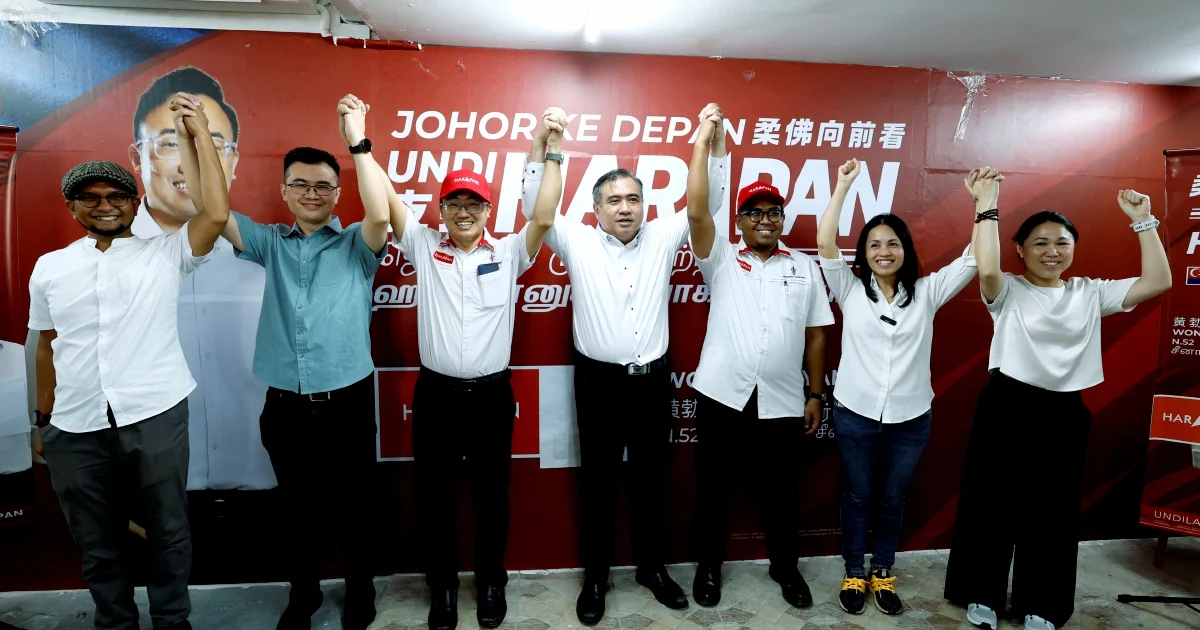
Pakatan Harapan (PH) is deferring the announcement of its chosen candidate for Johor Menteri Besar until after the coalition secures an election victory, according to statements made by the coalition's leadership in Johor Baru. The decision underscores the coalition's strategic focus on winning the state ballot first and handling internal appointments only after gaining the electoral mandate to do so.
The coalition's approach reflects a deliberate political calculation to avoid internal competition or friction that could undermine its campaign messaging. By withholding the name of its chief ministerial candidate until after votes are counted, PH aims to maintain unified support across its member parties and present a consolidated front to voters. This strategy prevents rival camps within the coalition from championing competing candidates before the election concludes.
Once Pakatan Harapan achieves electoral success in Johor, the coalition's top leadership council will convene to make the formal decision on who will assume the role of Menteri Besar. This governance structure ensures that the appointment reflects the coalition's broader leadership preferences and maintains party discipline during the transition to state government. The council-based approach also allows senior figures from multiple parties to weigh in on a decision that will shape Johor's governance for the next electoral term.
The timing of such appointments matters significantly in Malaysian politics. Announcing a Menteri Besar candidate before an election can create vulnerabilities, as rivals may attack the chosen figure or opposition parties may mobilise against a named individual rather than a faceless coalition promise. By keeping the decision pending, Pakatan Harapan preserves campaign flexibility and focuses voter attention on the coalition's policy platform rather than personality-driven contests.
Johor represents a crucial battleground for Malaysian politics, given its economic significance, large electorate, and strategic position near Kuala Lumpur. The state election carries implications beyond Johor's borders, influencing perceptions of federal coalition strength and potentially affecting dynamics in other states. A strong Johor performance could bolster PH's position nationally, while a weak showing might signal vulnerability heading into future elections.
The coalition's emphasis on winning first reflects lessons learned from previous electoral cycles. In Malaysian state politics, campaigns that become consumed by internal leadership disputes have historically struggled to maintain momentum or public support. By maintaining discipline and postponing the Menteri Besar decision, Pakatan Harapan signals confidence in its campaign message and organisational coherence.
For voters in Johor, this approach means the state election will centre on coalition policies and track record rather than a single personality. Pakatan Harapan can emphasise its federal government performance and policy commitments without distraction from leadership contests. Opposition parties will have fewer opportunities to weaponise internal coalition tensions or present a chosen candidate as problematic.
The coalition's leadership council mechanism ensures that any eventual Menteri Besar appointment commands broad support from PH's major components, including the Democratic Action Party (DAP), Amanah, PKR and other members. This collective decision-making approach helps prevent perceptions of domination by any single party and maintains coalition stability during the transition to state government.
Looking at regional parallels, other Southeast Asian coalitions have similarly deferred leadership decisions until after elections to maintain unity and campaign focus. This international practice demonstrates that prioritising electoral victory over personnel appointments is a well-established tactic in competitive political environments where coalition cohesion directly impacts electoral success.
For Malaysian readers and observers, the unfolding Johor situation exemplifies the delicate balance coalition governments must maintain between securing voter support and managing internal power-sharing arrangements. The decision to delay the Menteri Besar announcement suggests Pakatan Harapan believes its chances of victory are sufficiently strong to warrant postponing what would otherwise be a contentious internal decision.
The post-election appointment process will likely involve negotiations among coalition parties regarding representation and portfolio distribution. These conversations typically occur behind closed doors and are finalised only once electoral outcomes are known. The council-based framework provides institutional space for these discussions while maintaining party confidentiality.
For Johor voters and the broader Malaysian electorate, understanding this postponement strategy helps clarify that elections in Malaysia's coalition-based political system often involve voting for a group rather than a pre-determined leader for state government. The responsibility for selecting Menteri Besar candidates typically rests with coalition leadership rather than through direct voter choice, a distinction that remains central to how Malaysian politics operates.

