The nomination window for the 16th Johor State Election firmly shut at 10am on June 27, marking the end of candidate registration across all 56 designated nomination centres scattered throughout the state. The one-hour submission period, which commenced at 9am, saw returning officers at each venue formally announce the closure, signalling the transition from the registration phase to the state election's campaign machinery. With nominations now concluded, attention within political circles and the Election Commission has shifted toward verifying candidate eligibility and determining the final field of contenders for each of the available state seats.
The closure of nomination centres represents a critical juncture in the electoral calendar. Over the coming days, the Election Commission will scrutinise submitted nomination papers and publish the official roster of candidates deemed eligible to contest. This verification process is essential not only for administrative clarity but also for ensuring the legitimacy of the candidacy pool. Once the eligible candidates list is released, voters and political analysts alike will gain their first concrete picture of competition intensity across various constituencies, revealing whether any seats will be uncontested or face multi-cornered battles.
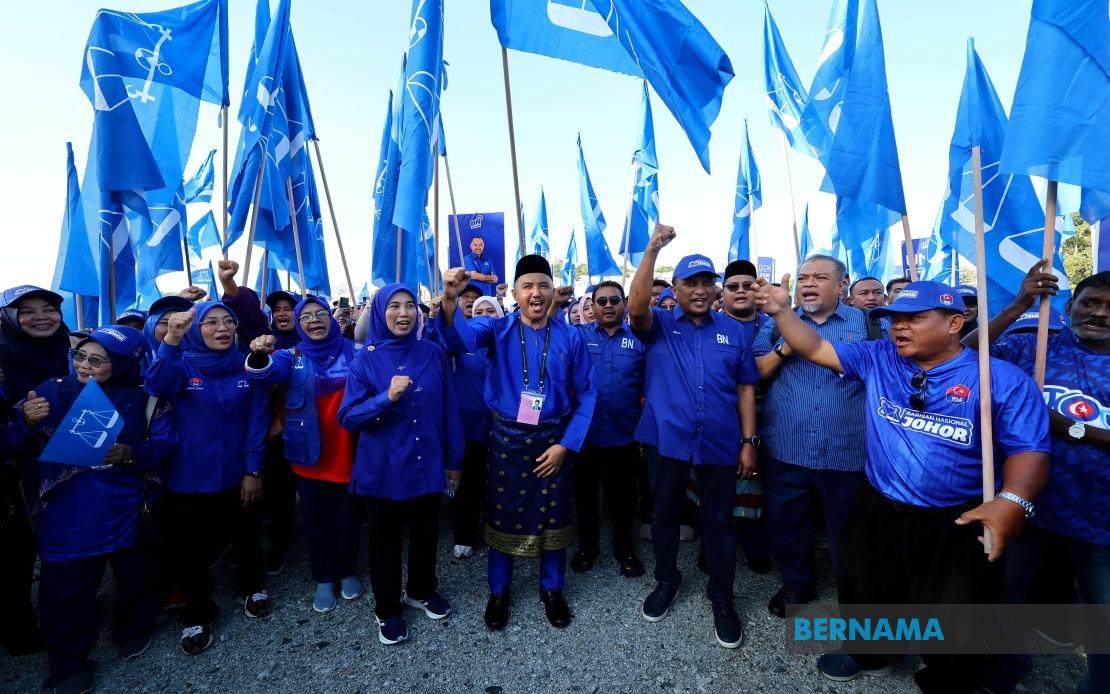
Throughout the morning, nomination centres witnessed sustained activity as supporters and party machinery mobilised to accompany candidates to submission venues. Political rallies and displays of grassroots support characterised the atmosphere at numerous locations, reflecting the organisational readiness of major contenders. However, despite the inevitable excitement surrounding candidate submissions, the overall environment remained notably peaceful. Law enforcement agencies, including the Royal Malaysia Police and the People's Volunteer Corps, maintained vigilant oversight to ensure proceedings remained orderly and free from provocative incidents or confrontations between rival party factions.
The Election Commission has established a clearly defined timeline for subsequent electoral stages. The 14-day campaign period commences immediately following nomination closure and extends until 11:59pm on July 10. During this fortnight, candidates will traverse constituencies, conduct townhalls, organise gatherings, and leverage media platforms to present their manifestos and persuade voters. Early polling has been scheduled for July 7, accommodating those unable to vote on the main election day, whilst July 11 is designated as polling day for the general electorate.
From a voter perspective, the electoral roll comprises an impressive 2,727,926 registered individuals eligible to participate in the democratic exercise. This figure encompasses 2,703,175 ordinary voters, representing the core civilian population, supplemented by 12,041 military personnel and their spouses, and 12,710 police personnel and their spouses. The inclusion of security force members and their families reflects Malaysia's commitment to ensuring that public servants maintain their democratic franchise despite the demands of their service roles. This substantial voter base underscores Johor's significance within Malaysia's political landscape, as the state's outcome carries implications for broader national political dynamics.
For Malaysian observers and regional watchers, the Johor election holds particular importance given the state's historical role as a political bellwether. As Malaysia's second-largest state by population and a significant economic hub, electoral outcomes in Johor frequently foreshadow broader political trends affecting the federation. The nomination closure marks the point beyond which the competitive field solidifies, and parties must now capitalise on whatever organisational advantages they possess to mobilise voters and consolidate support bases.
The security arrangements implemented throughout nomination proceedings demonstrate the professional standards maintained by Malaysian electoral authorities. The coordinated presence of police forces and volunteer corps ensured that the process proceeded without disruption whilst respecting democratic principles of free expression and peaceful assembly. This operational competence reflects institutional maturity within Malaysia's electoral administration, a factor that contributes to the country's reputation for conducting credible elections within the Southeast Asian region.
Looking ahead, the coming weeks will determine which candidates successfully translate nomination submission into actual electoral victory. The campaign period provides the crucial window during which political parties articulate policy positions, contest narratives, and attempt to persuade undecided voters. Early voting arrangements accommodate working professionals, business travellers, and others whose circumstances prevent them from voting on the principal election date, thereby enhancing accessibility and democratic participation.
The formal commencement of the campaign period from June 28 onwards represents the public-facing phase of the electoral exercise. Voters will witness intensified political activity, candidate visibility, and policy debate across media platforms and public forums. The state's media environment, encompassing traditional broadcast channels and digital platforms, will provide extensive coverage of campaign developments, candidate statements, and policy announcements, ensuring that registered voters possess information necessary for making informed electoral choices.

