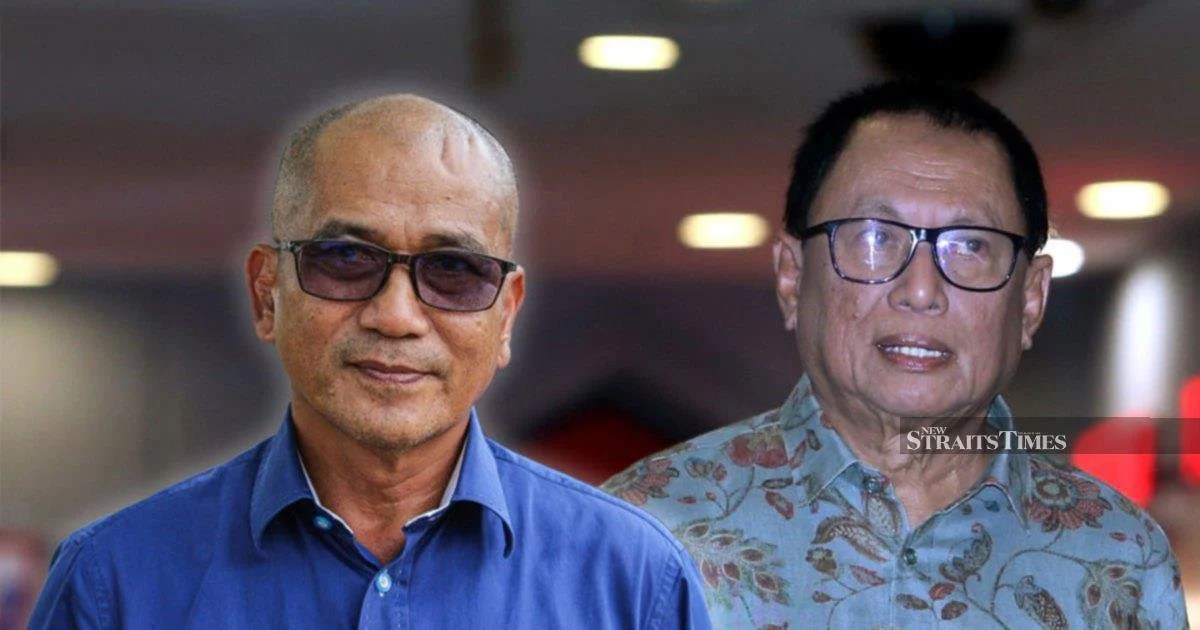
Johor Umno's top officials have mounted a vigorous defence against recent allegations levelled by former legislative assembly speaker Datuk Dr Mohd Puad Zarkashi, treating his claims regarding the June 1 dissolution of the state assembly as nothing more than grave slander. The swift and decisive response from party leadership reflects the seriousness with which the party views both the accusations and their potential impact on the party's reputation and governance narrative in one of Malaysia's most significant states.
The dissolution of the Johor state assembly on June 1 marked a significant political moment in the state's recent history, triggering a series of political calculations and realignments among the ruling coalition and opposition parties alike. Former speaker Puad Zarkashi's subsequent statements have reignited debate over the circumstances surrounding that decision, with his allegations suggesting procedural or political irregularities in how the matter was handled. The fact that Puad Zarkashi, who held the assembly speaker's position—a role that places him at the institutional centre of legislative proceedings—has chosen to speak publicly lends considerable weight to public interest in the matter.
State Umno's categorical rejection of these claims underscores the sensitivity surrounding the assembly dissolution, an event that fundamentally altered the political landscape in Johor and forced the electorate back to the polls. By characterising Puad Zarkashi's allegations as defamatory, party leaders are signalling their intent to defend not only their individual reputations but also their interpretation of events and the legitimacy of the governmental process. This approach also serves to delegitimise the former speaker's voice in public discourse, potentially discouraging media outlets and other stakeholders from giving undue credence to his assertions.
The timing of this dispute carries broader implications for Malaysian politics beyond Johor's borders. Disputes over assembly dissolutions and the constitutional mechanisms that govern them have become increasingly contentious across states and at the federal level. The controversy surrounding Johor's June 1 dissolution, therefore, sits within a larger national pattern of tension between different interpretations of constitutional powers and political expediency. How these disputes are resolved—through public debate, party politics, or institutional mechanisms—sets precedents that ripple across the federation's political system.
Puad Zarkashi's willingness to speak out against Umno despite his previous position within the party apparatus suggests a rupture in party solidarity or a principled stand rooted in his experience as speaker. His decision to voice grievances publicly, rather than through internal party channels, indicates either an absence of effective internal resolution mechanisms or a deliberate choice to escalate the matter into the court of public opinion. This fracture within the political establishment, even if contained to allegations and denials, reflects the fragility of political consensus in contemporary Malaysian governance.
The response from Johor Umno also reflects the party's broader strategy of maintaining control over its narrative in the state. Johor has historically been a Umno stronghold, and any suggestion of procedural irregularities or political mishandling could undermine public confidence in the party's governance credentials. By swiftly dismissing the allegations, state leadership attempts to prevent the narrative from gaining traction among voters and party members who might otherwise harbour doubts about decision-making processes during the assembly dissolution.
For Malaysian political observers, the dispute highlights a recurring challenge in the country's democratic system: the absence of robust independent institutions capable of arbitrating between conflicting claims regarding procedural propriety and constitutional compliance. When such disputes arise, they tend to devolve into he-said-she-said exchanges between political actors with vested interests, leaving the public with limited reliable information about what actually occurred. Media outlets must navigate these competing claims carefully, particularly when one party commands significantly greater resources and institutional power than the other.
The classification of Puad Zarkashi's statements as slander by Umno leadership raises questions about potential legal action or other forms of escalation. Should the dispute intensify beyond public statements and media commentary, it could develop into a lengthy legal proceeding or institutional investigation. The prospect of formal legal proceedings would add another dimension to the controversy, potentially drawing in courts, lawyers, and formal discovery processes that might illuminate aspects of the assembly dissolution that remain opaque to the public.
For Malaysian readers and political stakeholders more broadly, this dispute serves as a reminder of the stakes involved in state-level politics and assembly management. The decisions made during and following an assembly dissolution shape which parties hold power, which individuals occupy ministerial positions, and ultimately how state resources are allocated. When former senior office-holders like Puad Zarkashi raise serious concerns about such processes, the matter deserves careful scrutiny regardless of which party is ultimately vindicated. The resolution of this conflict—whether through further public exchanges, legal channels, or a return to political silence—will influence how future assembly management decisions are perceived by voters across Malaysia.

