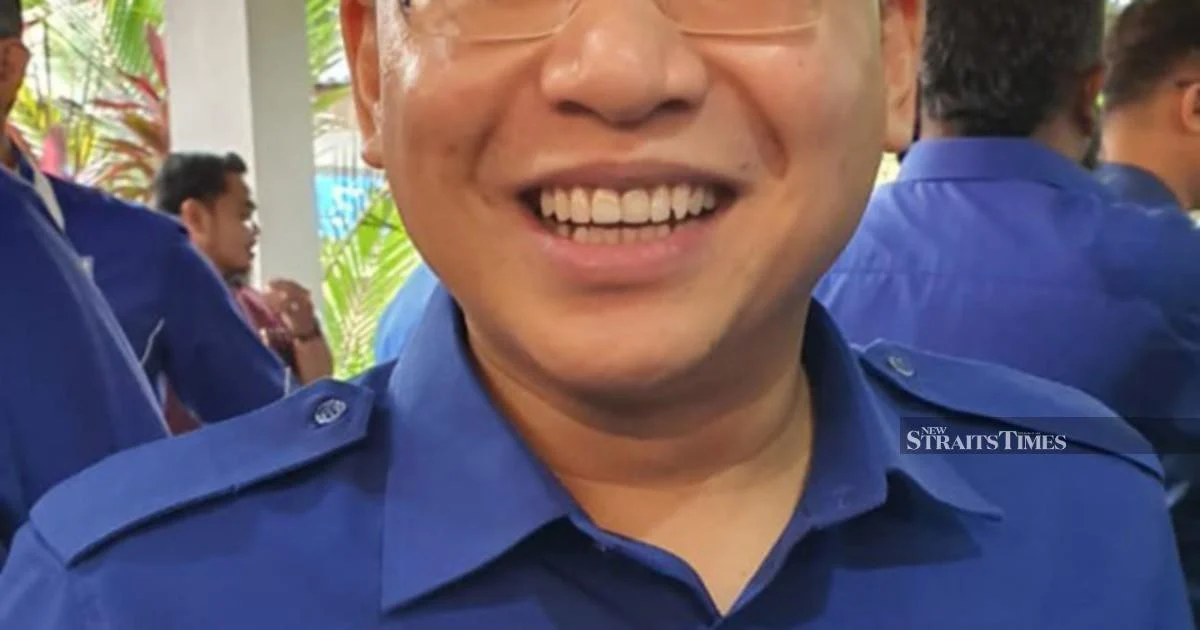
The Johor wing of Umno Youth has issued a pointed reminder to senior party figures and legislators to stand firm in their allegiance to both Umno and the Barisan Nasional coalition as the state gears up for its next election. The statement comes in response to reservations voiced by Datuk Dr Mohd Puad Zarkashi, a prominent member of Umno's Supreme Council, regarding the selection of candidates who will represent the BN in the contest.
The timing of the youth wing's message underscores growing tensions within Umno's Johor machinery over how the party intends to field candidates for the state election. Such public expressions of concern from senior figures like Datuk Dr Mohd Puad Zarkashi signal potential fissures within the party's upper echelons, precisely when internal unity would be most valuable. The youth wing's intervention suggests that party leadership is keen to contain any perception of disloyalty or factional maneuvering ahead of what will be a critical electoral contest for Umno's relevance in its traditional stronghold.
Johor has long represented Umno's most reliable base of electoral support, making the cohesion of the party machinery at both state and divisional levels crucial to maintaining this dominance. The candidacy issue appears to have triggered discussions about whether certain hopefuls aligned with specific power blocs within the party are receiving preferential treatment. Such grievances, if not managed carefully, can manifest as reluctance from party divisions to campaign with full vigour during the election period, or even as individuals choosing to sit out key contests.
The Umno Youth wing's call for loyalty is standard operating procedure when internal strains emerge, but its necessity suggests that confidence in the candidacy process may have eroded among some quarters. Datuk Dr Mohd Puad Zarkashi's position on the Supreme Council gives his remarks particular weight, as he represents not merely a single division but a perspective from party leadership itself. When someone of his standing raises questions publicly, it implicitly validates grievances held at lower levels of the party hierarchy.
For Malaysian observers and political analysts, the episode reflects a broader challenge facing Umno as it attempts to consolidate its position following recent electoral setbacks and internal restructuring. The party's ability to manage candidate selection transparently and fairly will determine not only whether it retains Johor, but also whether its leadership credibility survives intact into the next phase of national politics. Candidate selection processes are frequently flashpoints where patronage networks, regional power balances, and personal ambitions collide.
The Barisan Nasional as a broader coalition also has a stake in Umno's internal stability. Any significant defection of votes or campaign energy in Johor would ripple across the entire BN structure, potentially emboldening opposition forces or complicating the coalition's narrative of unity and competence. The fact that the youth wing felt compelled to issue a public statement suggests that private channels for resolving the matter may have proven insufficient.
Loyal party members who have invested years in Umno's organizational structures naturally expect to be considered fairly when prestigious candidacies become available. If the perception takes hold that selections are determined by factional allegiance rather than merit or seniority, retention of grassroots activists becomes problematic. The Johor Umno Youth's message is therefore partly aspirational—an attempt to set the standard for the conduct expected during this critical period.
For voters in Johor, internal party dynamics of this kind often carry practical consequences. Elections fought by candidates with full backing from their party machinery tend to be more competitive and energetic affairs. Conversely, when candidates field in contests with muted or grudging support from their own party apparatus, the entire electoral exercise becomes less robust. The strength of Umno's performance in Johor will likely hinge significantly on how comprehensively the party resolves this question of loyalty and commitment across its hierarchical layers.
The state election presents an opportunity for Umno to demonstrate that it has resolved its internal difficulties and can present voters with a unified, coherent alternative. Should candidate selection grievances fester and leak into campaign season through disgruntled party members, the BN's overall message and momentum could suffer. Conversely, if party leaders manage the issue with transparency and credibility, Umno can leverage this moment to rebuild confidence within its own organization.
Looking ahead, how the party handles this situation will send signals to other state-level Umno organizations contemplating their own elections. Party discipline and loyalty are virtues that require consistent reinforcement, particularly when powerful incentives to deviate exist. Datuk Dr Mohd Puad Zarkashi's raising of the candidacy question, while potentially disruptive, also reflects the kind of internal accountability that healthy political parties require.

