The nomination phase for Johor's 16th state election unfolded without complication on June 27, as candidates and parties formally registered their candidacies across all 56 polling constituencies throughout the southern state. The Johor police force reported a trouble-free day with no recorded incidents that might have compromised the integrity of the registration proceedings, underscoring the operational readiness of authorities managing what is shaping as a crucial electoral contest in one of Malaysia's most politically significant regions.
Maintaining public order during high-stakes electoral events demands substantial resource deployment, and Johor's security establishment rose to the challenge by positioning 4,832 police officers and personnel across nomination centres to monitor proceedings and respond swiftly to any potential disturbances. This substantial mobilisation reflects the seriousness with which law enforcement approached the day's activities and the commitment to preventing the kind of electoral-related tensions that occasionally surface during periods of intense political competition. The visible police presence served both as a deterrent to potential troublemakers and as reassurance to candidates and voters that their participation would occur within a secure environment.
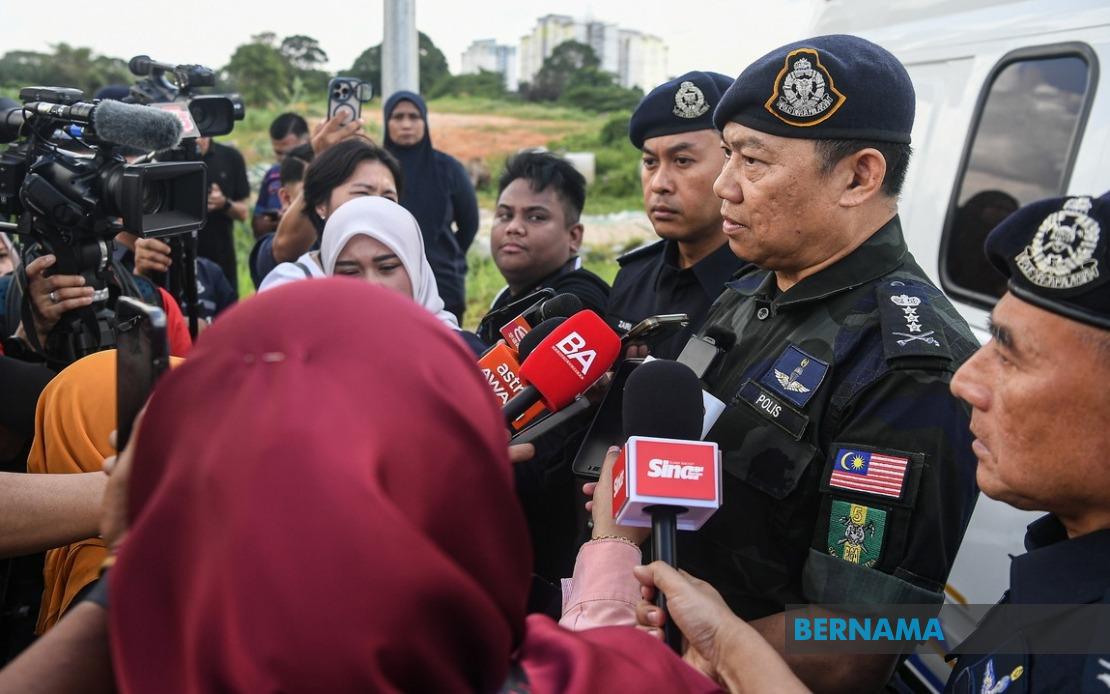
Johor's police chief Datuk Ab Rahaman Arsad, speaking after monitoring activities at the Puteri Wangsa nomination centre held at Sekolah Menengah Kebangsaan Bandar Dato Onn here, characterised the day's developments as proceeding entirely within expected parameters. The absence of reported disturbances stood in contrast to some election periods where nominee clashes, party confrontations, or public disorder incidents have occasionally emerged. This smooth execution suggests that political competitors in the state, regardless of their rivalry, have largely adhered to established protocols and demonstrated restraint during the high-stakes registration process.
Campaign permit approvals are among the tools election authorities employ to channel political activity into regulated frameworks that balance free expression with public order concerns. So far, the election machinery had greenlit 26 campaign permits across Johor, with authorities indicating that additional permits would likely be issued as the official campaign period progresses toward the scheduled polling date. These permits essentially authorise political parties and candidates to conduct structured campaign activities—public rallies, roadshows, and promotional events—in designated locations and timeframes, helping prevent uncoordinated or potentially chaotic political activities that could disrupt daily life or create security challenges.
The police leadership used the nomination day platform to reinforce expectations that all political actors—party officials, candidates, and campaign supporters—would conduct themselves within the boundaries of Malaysian electoral law and broader public conduct regulations. Datuk Ab Rahaman specifically cautioned participants against any behaviour that might undermine public order or create communal tensions, making clear that the security apparatus stood ready to address violations swiftly and appropriately. This messaging is particularly important in Johor, where the political landscape encompasses multiple major parties and numerous constituencies where competition runs intense, making the maintenance of campaign discipline essential for ensuring voters can exercise their choices in a peaceful environment.
Johor's electoral calendar is now firmly established, with the Election Commission designating July 7 for early voting—a mechanism that allows eligible voters unable to attend on polling day, such as healthcare workers, election officials themselves, and individuals with mobility challenges, to cast ballots in advance. The main polling day follows four days later on July 11, creating a final ten-day window from nomination day through polling day during which candidates and parties will intensify their outreach to voters through permitted campaigns. This compressed timeline means campaign strategies must be executed efficiently, and the regulatory framework established through permit approvals and police coordination becomes even more critical.
The smooth nomination process in Johor carries implications beyond the state itself, as Johor's electoral dynamics influence broader Malaysian political calculations. The state accounts for a significant portion of parliamentary seats and remains a bellwether for assessing voter sentiment across the country's socioeconomic diversity, encompassing both urban centres like Johor Bahru and extensive rural constituencies. How different political coalitions perform in Johor often signals broader trends in national politics, making the state's election results closely watched by analysts, party strategists, and observers across Malaysia's political spectrum.
For Malaysian voters in Johor and observers elsewhere, the orderly conduct of nomination day suggests a foundation upon which a relatively peaceful campaign period might be built. While political competition remains inherently contentious and disagreements between parties over policies and leadership will continue throughout the campaign, the establishment of clear regulatory frameworks and the demonstrated commitment of authorities to enforce them create conditions where democratic competition can proceed without descending into disorder. The test of this framework lies ahead during the next two weeks as candidates and their supporters engage in intensive campaigning activities.
The deployment of security personnel and issuance of campaign permits reflect the maturation of Malaysia's electoral infrastructure, even as the competitive intensity of contemporary politics places constant pressure on institutional systems. Johor's nomination day success in avoiding incidents—achieved through a combination of police professionalism, party discipline, and the framework established by the Election Commission—demonstrates that despite occasional lapses elsewhere, Malaysia's electoral machinery retains the capacity to manage orderly transitions of political authority. Whether this smooth beginning translates into an equally incident-free campaign period and polling day will become clear over the coming fortnight.

