The Malaysian Artistes' Association, known locally as Karyawan, is preparing a comprehensive set of policy recommendations stemming from an industry-wide convention scheduled for Sunday, June 21. These proposals will be formally presented to Malaysia's Prime Minister within a week of the gathering, marking a significant effort to reshape how the nation's music sector operates and supports its practitioners. The initiative reflects growing concerns about structural imbalances that have persisted in an industry that, despite decades of creative output, has struggled to provide sustainable livelihoods for working musicians and singers.
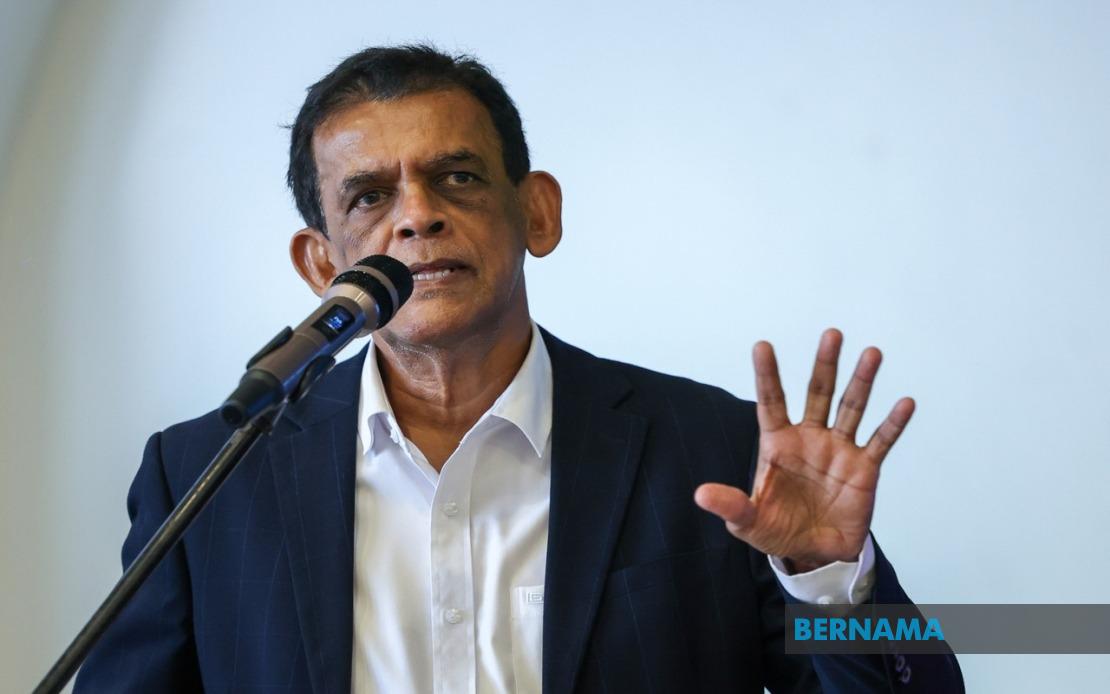
President Datuk Freddie Fernandez announced the plan at a media briefing, emphasizing that the resolutions will emerge directly from conversations with over 200 industry professionals expected at Saloma Restaurant in Kuala Lumpur. This inclusive approach signals Karyawan's intent to ensure that recommendations reflect genuine grassroots sentiment rather than top-down assumptions about what the music industry requires. The breadth of expected participation suggests that frustrations with the current system span multiple segments of the professional music community, from recording artists to session musicians to industry managers.
Freddie articulated a sense of urgency about the industry's trajectory, noting that he has observed troubling patterns over two decades of involvement in Malaysia's music landscape. His assessment points to a recognition that superficial adjustments will not suffice; instead, fundamental renewal across multiple dimensions of how the industry functions has become necessary. This candid diagnosis from one of the sector's senior figures underscores that concerns about the music industry's health are no longer whispered grievances but matters commanding serious institutional attention.
The memorandum being prepared will address multiple interconnected issues that collectively determine whether musicians can build viable careers. Industry development forms the foundation of this discussion, encompassing how the music sector attracts investment, develops infrastructure, and competes regionally. Artificial intelligence usage has emerged as a particularly pressing concern, requiring the establishment of clear guidelines that neither stifle technological innovation nor allow it to undermine the livelihoods of human artists. This tension between progress and protection will likely become more urgent as AI-generated music becomes increasingly sophisticated.
Royalty systems represent perhaps the most urgent grievance Karyawan intends to escalate. Freddie highlighted stark disparities between money collected by record companies and what actually reaches artists' hands. Between 2002 and 2017, record companies gathered nearly RM700 million from various sources—primarily licensing fees, streaming revenues, and sales—yet distributed only approximately RM20 million to artistes' organizations. This roughly 35:1 ratio illustrates a structural flaw in how earnings are distributed through the system. For Malaysian musicians struggling to sustain themselves through their craft, this gap represents lost income that could fund recording projects, support touring, or simply provide financial stability during periods without performance opportunities.
The convention will also tackle music education and career development infrastructure. Currently, young talent entering the music industry often lack clear pathways for professional advancement or transparent information about realistic income prospects at different career stages. By contrast, established creative industries in neighboring countries have developed well-articulated progression routes that allow emerging artists to understand benchmarks, identify mentorship opportunities, and plan investments in skill development. Malaysia's lack of comparable structure puts local musicians at a disadvantage compared to regional peers.
Karyawan's reference to potential industry laws and regulations indicates that voluntary measures may no longer suffice. The prospect of legislative interventions suggests that stakeholders have grown impatient with informal arrangements and industry self-regulation. Regulatory frameworks in other countries have established mechanisms for fair revenue-sharing, artist protection, and industry standards. Whether Malaysia pursues comparable legislation will depend partly on whether current industry players demonstrate sufficient willingness to address imbalances voluntarily.
The convention program itself reflects a commitment to grounded, expert-informed discussion. Panels will include music activist Joe Lee, whose work has consistently highlighted artist welfare issues; composer Dr Moja Salim, representing the creative community; and Para Rajagopal of Live Nation, bringing international touring and events management perspective. This composition ensures that discussion will span grassroots advocacy, artistic integrity, and commercial realities. The venue choice at a established cultural restaurant carries symbolic weight, positioning this as an occasion of significance rather than a routine industry gathering.
For Malaysian music practitioners, this initiative offers potential relief from long-standing frustrations. Many artists have quietly accepted inadequate compensation, limited career support, and unclear royalty mechanisms as inevitable features of working in a small regional market. The mobilization by Karyawan signals that such resignation is shifting toward organized advocacy. The convention's focus on artificial intelligence particularly matters for younger musicians who may face unprecedented challenges from algorithmic composition and digital synthesis without adequate legal frameworks protecting their interests.
The broader Southeast Asian context adds importance to Malaysia's actions. Music industries across the region face similar questions about fair compensation, technological adaptation, and artist development. How Malaysia addresses these issues through legislative or regulatory change may influence approaches elsewhere in ASEAN, particularly in countries with comparable market sizes and development stages. Conversely, regional best practices from countries like the Philippines or Thailand may inform Malaysian policymaking.
Karyawan's initiative also reflects evolving relationships between cultural sectors and government in Malaysia. Rather than viewing the music industry as entertainment or commerce alone, the organization frames it as a sector deserving strategic policy attention comparable to manufacturing or digital services. This reframing elevates musicians from individual service providers to recognized professionals whose systemic support contributes to national cultural competitiveness and creative economy growth.
The success of this effort will ultimately depend on whether Prime Ministerial attention translates into concrete policy action. Government support could take multiple forms: regulatory oversight of royalty distribution, subsidized music education programs, international trade protections for Malaysian artists, or development funding for live music venues and recording facilities. Without such follow-through, the convention, however well-intentioned, risks becoming another consultation exercise that produces recommendations but no implementation.
As Malaysia's music industry awaits June 21's convention and the subsequent submission of Karyawan's proposals, the initiative represents a critical juncture. The resolutions will provide a roadmap for industry transformation, but the real test will be whether policymakers treat musician welfare and industry sustainability as priorities worthy of sustained institutional commitment.