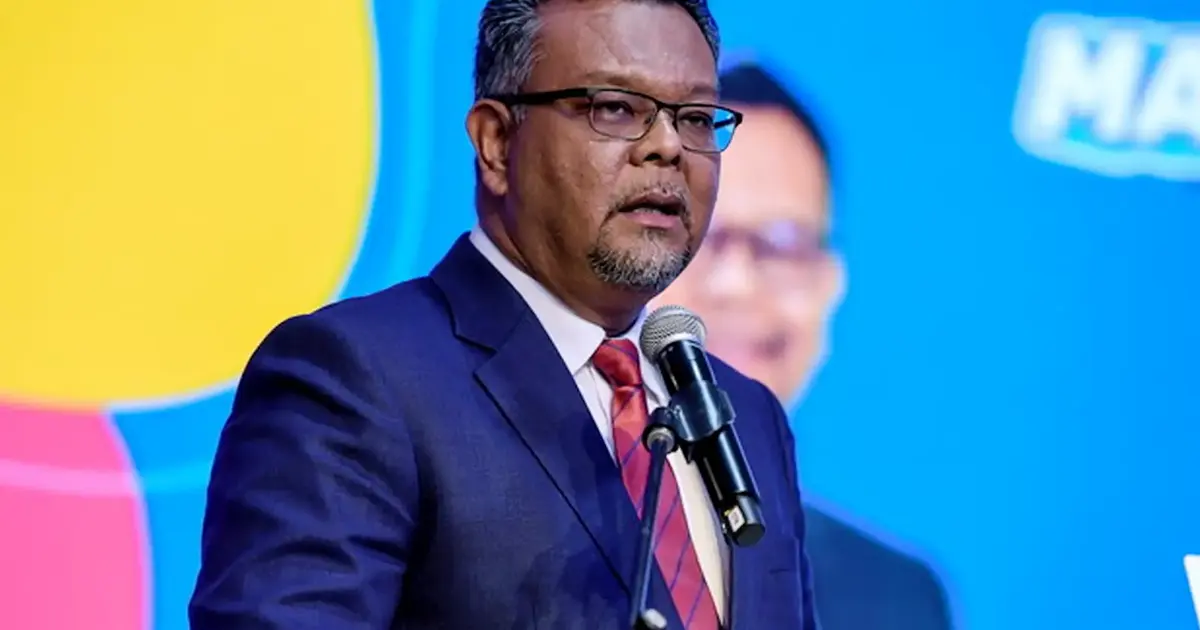
A senior Kedah state government official will appear before the courts tomorrow to face charges stemming from claims regarding university admissions practices. The development marks an escalation in what has become an increasingly public dispute over the integrity of higher education entry procedures in the northern state.
Haim Hilman Abdullah, who holds an executive position within the Kedah state administration, has maintained a defiant public stance throughout the unfolding situation. Despite the prospect of formal legal proceedings, the official has repeatedly affirmed his determination to champion what he characterizes as the pursuit of truth, signalling that the courtroom appearance will not silence his advocacy.
The allegations touch on a sensitive issue across Malaysia: the transparency and fairness of university admission processes. Such matters have periodically drawn public scrutiny, particularly when questions arise about whether selection criteria are being applied consistently and whether proper channels for merit assessment are being observed. The involvement of a state-level political figure in such a case lends additional weight to broader conversations about administrative accountability.
In Malaysian politics, state executive councillors occupy influential positions within their respective administrations, wielding authority over various portfolios and policy directions. The prospect of criminal charges against such an official carries implications beyond the individual case, as it touches on public confidence in state governance structures and the oversight mechanisms meant to ensure proper conduct.
The university admissions system in Malaysia remains a topic of considerable debate among educators, students, and policymakers. Issues ranging from quota systems to the role of academic credentials versus other selection criteria have generated sustained discussion. When allegations emerge that procedures may have been circumvented or that improper influence was exercised, they amplify existing concerns about the system's robustness and impartiality.
Haim Hilman Abdullah's public commitment to continuing his advocacy regardless of legal consequences suggests he views the case as part of a broader principle rather than a discrete incident. This framing resonates with a pattern seen in Malaysian politics where officials accused of wrongdoing sometimes position themselves as whistleblowers or defenders of the public interest rather than acknowledging the substance of allegations against them. Whether this rhetorical approach influences public perception or judicial proceedings remains to be seen.
The timing of the charges and court appearance adds another dimension to the unfolding narrative. The sequential nature of formal proceedings—from investigation to charges to trial—will likely generate ongoing media attention and public commentary. In an era where political matters rapidly circulate through social media and digital platforms, such high-profile cases involving government figures often become catalysts for broader discussions about governance standards and ministerial conduct.
For Kedah specifically, this situation arrives amid ongoing discussions about state-level governance and administrative reform. The northern state, like others across Malaysia, continues to grapple with questions about how effectively public institutions serve citizens and whether adequate safeguards exist to prevent abuse of position. Developments involving prominent state officials invariably affect the broader conversation about institutional credibility.
The university admissions controversy itself warrants examination beyond the immediate case. Malaysia's higher education system must balance multiple objectives: maintaining academic standards, promoting equal opportunity, supporting affirmative action policies, and ensuring efficient administration. When these objectives come into tension—as they frequently do—the outcomes can spark legitimate debate about where the balance should lie. However, when allegations surface that established procedures have been bypassed or manipulated, the focus necessarily shifts to process integrity.
As Kedah's government navigates this situation, broader implications emerge for how state administrations address similar challenges. The case demonstrates that regardless of political position or public stature, individuals accused of wrongdoing face formal accountability mechanisms. This aspect of Malaysia's governance framework, while occasionally criticized as selective in application, provides a check on executive power that remains fundamentally important.
The coming court proceedings will provide an opportunity to examine the specific allegations in detail and allow the judicial system to assess the evidence presented. Regardless of the eventual outcome, the case has already influenced public discourse about institutional practices and administrative oversight. Haim Hilman Abdullah's continued insistence on his commitment to truth will likely persist throughout the legal process, shaping how this episode is understood within Kedah's political landscape and contributing to broader conversations about governance standards across Malaysian states.

