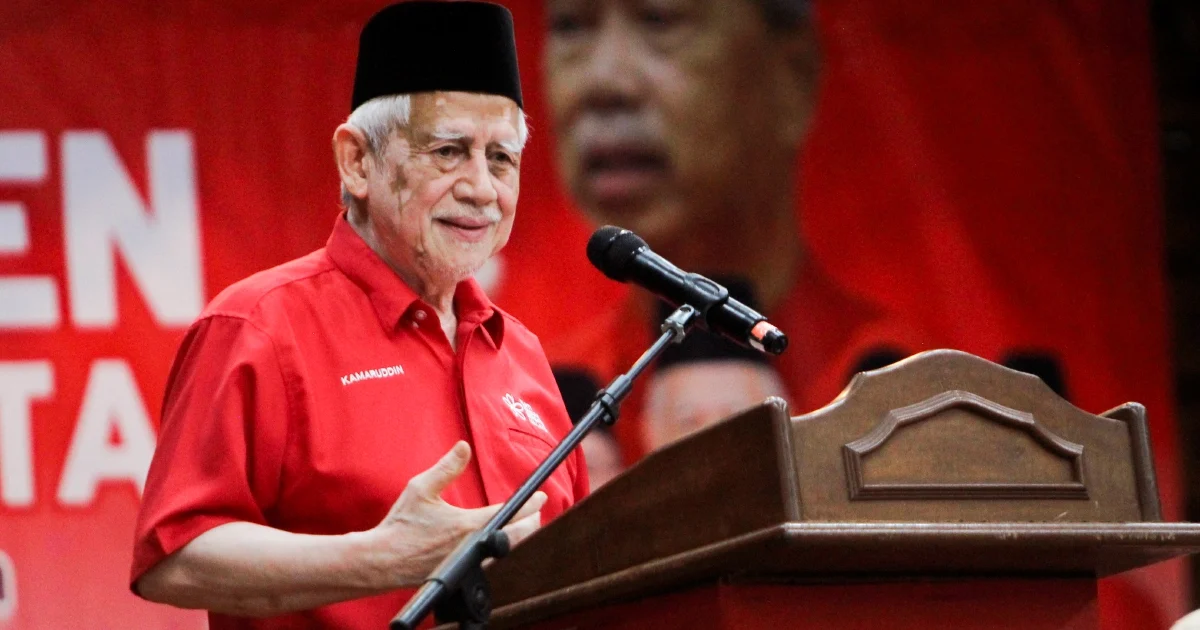
Perikatan Nasional's abrupt removal of Datuk Seri Mohamed Azmin Ali and Datuk Dr Mohd Radzi Md Jidin from its leadership hierarchy has triggered shifts across the opposition coalition, yet Kelantan's Bersatu division appears to have anticipated the move with equanimity. The party leadership in the state, addressing reporters in Kota Baru, characterised the decision as expected rather than shocking, suggesting the ground had been prepared for such a development within coalition circles.
The repositioning of these two prominent figures carries substantial implications for PN's internal power structure and its strategic positioning ahead of potential electoral contests. Both Azmin and Radzi held influential positions within the coalition's decision-making apparatus, and their simultaneous removal signals a deliberate consolidation of authority within PN's upper echelons. The manner in which Kelantan Bersatu absorbed this information without visible disturbance hints at broader consultations that may have preceded the formal announcement.
Kelantan's political landscape has long been distinctive within Malaysia's federation, with indigenous power structures that do not always mirror developments at the national coalition level. Bersatu's particular position within the state reflects this reality—while the party maintains formal ties to the PN alliance, its operational autonomy and distinct electoral considerations in Kelantan create a degree of insulation from upheavals affecting the broader coalition structure. This dynamic partly explains why state-level leaders could regard the changes with such composure.
Azmin's removal is particularly noteworthy given his extensive portfolio spanning economic and corporate responsibilities within PN's sphere. His portfolio encompassed critical areas of governance, and his departure from formal leadership structures may necessitate reorganisation within those departments. Radzi's background in pharmaceutical and healthcare sectors similarly represented specialised expertise within PN's functional architecture. The coalition's ability to absorb the departure of two such experienced operatives without immediate turbulence speaks to either deep succession planning or a parallel concentration of power among remaining leadership figures.
Within Malaysian coalition politics, such reshuffles often presage broader strategic recalibrations. PN, which emerged from the fragmentation of UMNO and encompasses PAS as its Islamic wing alongside smaller components, operates with inherent tensions between its Malay-Islamic orientation and its necessity to maintain broader appeal. Personnel changes at leadership level frequently reflect attempts to balance these competing pressures or to privilege one faction's interests over others. The removal of two figures simultaneously suggests a comprehensive reassessment rather than isolated personnel decisions.
For Kelantan specifically, the state has functioned as PAS's traditional electoral fortress and administrative domain. Bersatu's presence within Kelantan politics represents a secondary force attempting to cultivate local influence within the broader PN structure. The state party's measured response to national-level changes indicates either confidence in its autonomous position or awareness that Kelantan-specific considerations dominate local political calculations regardless of national coalition dynamics. Voters in the state may be far more concerned with local governance effectiveness than with reshuffles in Kuala Lumpur.
The timing of such leadership changes invariably attracts scrutiny regarding their relationship to electoral preparedness. With various state assemblies and potentially federal institutions scheduled for periodic contests, coalition partners routinely adjust their leadership configurations to enhance electoral viability or to reward organisational performance. Whether the Azmin-Radzi removal relates to forthcoming elections or purely to internal consolidation remains an open question that political analysts across the region will continue to examine.
Malaysia's coalition dynamics have grown increasingly complex following the political realignments of recent years. The emergence of PN as a coherent force represents a significant departure from the UMNO-led Barisan Nasional dominance that characterised Malaysian politics for decades. Within this newer configuration, tensions frequently emerge between traditional power structures inherited from the Barisan era and newer leadership aspirations embodied by PN's constituent parties. Leadership restructuring becomes a vehicle through which these tensions find expression and partial resolution.
The studied indifference exhibited by Kelantan Bersatu leadership suggests this particular move may have been discussed within coalition consultation mechanisms before formal announcement. In Malaysian politics, senior personnel changes rarely occur without some preparatory signalling to allied parties, particularly those operating in politically significant states. Kelantan's demonstration of calm acceptance implies such consultations had already contextualised the decision within coalition circles.
Moving forward, the implications of this restructuring will likely manifest gradually across various governance domains and coalition functioning. The absence of visible fallout from Kelantan's Bersatu contingent represents one early indicator that PN has successfully managed internal expectations regarding the leadership changes. Whether this reflects genuine acceptance or merely disciplined public posturing will become clearer as coalition operations proceed under the new leadership arrangement. For Malaysian observers, tracking how regional party divisions respond to national coalition decisions provides crucial insight into the actual cohesion underpinning PN's coalition framework beyond official statements of unity.