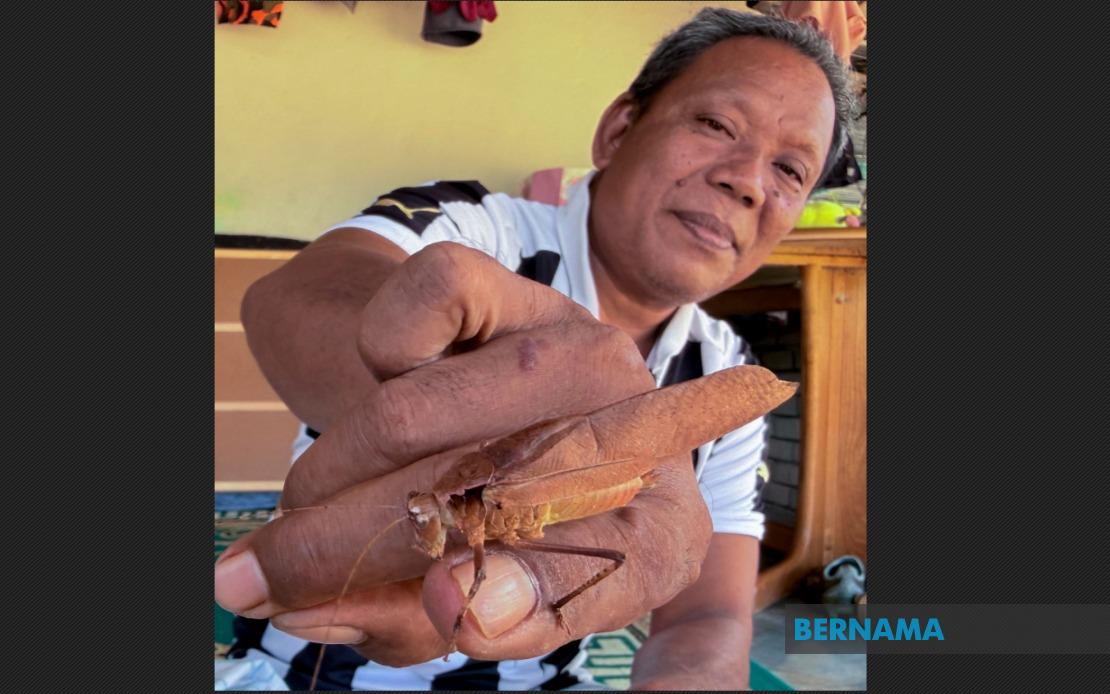
In the paddy fields and brushlands around Tanah Merah in Kelantan, a quiet revolution is unfolding as youth increasingly turn away from their smartphones and laptops to pursue an ancient pastime their grandparents knew well: the sport of 'belalang kerek', or cricket fighting. This traditional competition, which pits carefully reared crickets against one another in structured tournaments, is experiencing an unexpected resurgence among Kelantan's younger generation, offering both cultural continuity and a refreshing counterpoint to the digital saturation that dominates contemporary youth culture.
The appeal of this hobby lies partly in its remarkable accessibility and low financial barriers to entry. Tournament participants need only pay nominal fees starting from as little as RM3 per cricket to compete, making it vastly more affordable than most modern recreational activities. This economic advantage proves particularly significant in Malaysia's current cost-of-living environment, where youth from modest rural backgrounds can participate fully without substantial investment. Aidil Md Noor, a 23-year-old competitor, points to this combination of negligible entry costs and the straightforward dietary requirements of the insects as the primary catalyst behind the hobby's rapid acceleration in popularity among his peer group.
Catching and rearing these crickets demands minimal infrastructure or specialised equipment, which further democratises participation. Unlike sports requiring expensive facilities, uniforms, or ongoing membership fees, the belalang kerek enthusiast needs only patience, keen observation skills, and basic knowledge of cricket husbandry. The insects thrive on simple feed and water, making their maintenance remarkably economical compared to other pets or hobbies. This low-maintenance characteristic has emerged as a critical factor in attracting participants who might otherwise lack resources for conventional pastimes.
The hunting experience itself carries its own particular appeal, especially for those seeking escape from routine existence. Practitioners traditionally conduct their searches during nocturnal hours, navigating agricultural fields and dense vegetation by ear rather than sight. The process requires listeners to develop acute auditory sensitivity, attuning themselves to the distinctive chirping patterns that distinguish quality specimens from ordinary ones. Muhammad Sayuti Mat, a 53-year-old veteran competitor from Kampung Manal 3, notes that the hunting methodology relies entirely on hearing acuity, as crickets produce markedly louder and sharper vocalizations after sunset compared to daytime hours. This nocturnal dimension transforms the pursuit from mere hobby into something more contemplative and meditative.
The quality of a cricket's song represents the sport's central evaluation metric and source of intense competition. Participants invest considerable time listening to their insects' calls, developing refined judgement about pitch, consistency, and vigor of chirping. The thrill derives not primarily from monetary rewards—which are minimal or absent—but from the genuine pleasure of witnessing one's carefully nurtured cricket performing superbly against rival specimens. Rihduan, a younger enthusiast quoted in discussions about the hobby's appeal, emphasises how this auditory dimension provides genuine satisfaction entirely disconnected from financial gain, instead offering psychological and emotional rewards that prove increasingly valuable in an age of commercialised entertainment.
The resurgence represents something culturally significant beyond mere nostalgia. As Malaysia grapples with generational disconnection from traditional knowledge systems and rural heritage, the renewed interest in belalang kerek demonstrates that young people retain capacity for—and interest in—practices rooted deep within Malay-Malaysian identity. Kelantan particularly serves as custodian of numerous such traditions, and the state's geographic and cultural positioning makes it natural ground for such revivals. The youth engagement with this sport suggests that cultural preservation need not depend on formal institutional promotion; organic grassroots enthusiasm can sustain traditions when they offer authentic value to participants' lives.
Participants typically source their insects from agricultural plots and natural vegetation, particularly areas dense with fan palms and similar flora where crickets naturally congregate. This connection to natural environments carries environmental and educational components often overlooked in discussions of recreational hobbies. Young hunters develop intimate knowledge of local ecosystems, seasonal patterns, and insect biology through direct engagement rather than classroom instruction. The practice thus represents an experiential learning pathway increasingly rare in contemporary Malaysia, where outdoor engagement competes unsuccessfully against digital entertainment for young people's attention.
The tournament structure, though informal by modern sporting standards, provides social dimension that extends beyond solitary competition. Communities gather around cricket matches, creating spaces for intergenerational connection where elders share knowledge with newcomers, and participants build friendships grounded in shared interest rather than commercial transaction. These gathering occasions strengthen social fabric in rural communities where such informal assemblies have become less frequent as migration and urbanisation reshape settlement patterns. The sport becomes vehicle for maintaining social cohesion alongside preserving cultural practice.
For Malaysian policymakers and cultural observers concerned about rural youth engagement and cultural continuity, the belalang kerek phenomenon offers encouraging evidence that traditional pursuits retain genuine appeal when presented without coercion or artificial promotion. The movement has succeeded precisely because participants have discovered authentic value for themselves, not because authorities mandated participation. This organic quality distinguishes genuine cultural revival from top-down initiatives that often fail to capture youth imagination. As Kelantan's younger generation continues hunting crickets through moonlit nights, they inadvertently participate in cultural transmission that requires no government subsidy, no celebrity endorsement, and no corporate marketing—merely the timeless appeal of a sport that has captivated their ancestors for generations.

