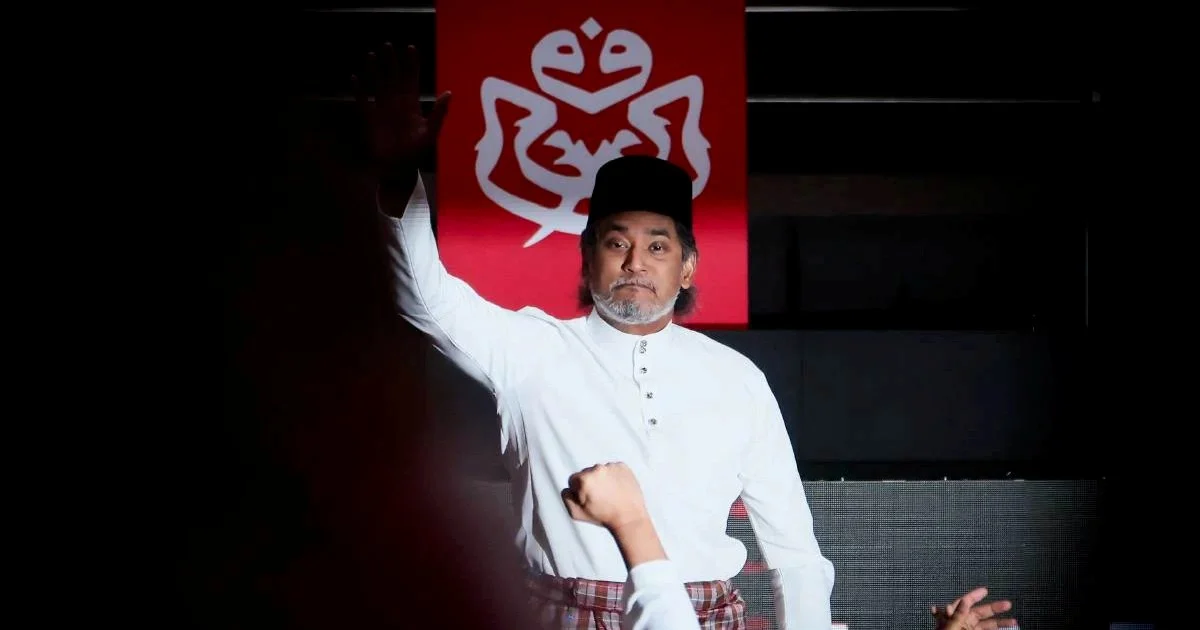
The question of whether Khairy Jamaluddin will return to electoral politics in the upcoming Negri Sembilan state election on August 1 remains unresolved, with the former Rembau parliamentarian indicating he has abdicated the choice to Umno's senior hierarchy. This move reflects the complex internal dynamics within Malaysia's ruling party as it navigates candidate selection ahead of what could be a closely contested state contest.
Khairy, a prominent figure in Umno circles with considerable youth appeal and organisational experience, previously held the Rembau seat before his political career experienced significant shifts in recent years. His decision to defer the candidacy question to the party establishment rather than making an independent determination signals either deference to collective party decision-making or a pragmatic acknowledgement of broader considerations within Umno's electoral strategy for Negri Sembilan. The timing of this deferral, coming as the August 1 polling date approaches, underscores the ongoing deliberations over which personalities and strategies will best serve the party's interests in the state.
Negri Sembilan represents a politically contested territory where state elections carry implications beyond the state assembly itself. The composition of the Negri Sembilan government influences the balance of power within the larger Malaysian political ecosystem and carries particular weight for Umno, traditionally a dominant force in the state but facing competitive pressures from opposition coalitions. The calibre of candidates fielded by each major party becomes crucial in such environments, making leadership selections more than mere administrative exercises—they become strategic manoeuvres with ramifications for broader political positioning.
Umno's leadership must weigh multiple considerations when determining its candidate roster for Negri Sembilan. These include assessing individual contenders' local popularity, their capacity to mobilise grassroots support, their standing within party structures, and their potential viability against opposition challengers. The involvement of veteran political figures like Khairy in such contests can substantially influence electoral outcomes, yet simultaneously introduces complications related to intraparty dynamics and factional considerations that party leaders must navigate carefully.
Khairy's willingness to let the party decide his electoral future contrasts with a more assertive posture that some politicians adopt when contemplating candidacies. This approach may reflect confidence in the leadership's judgment, or alternatively, it could suggest that Khairy wished to avoid the appearance of self-interested political manoeuvring during a period when party unity matters considerably. For Umno, Khairy's openness to whatever decision emerges from the top provides flexibility, allowing leadership to place him strategically where he can deliver maximum electoral advantage.
The timing of candidate announcements in Malaysian state elections frequently becomes a strategic element in itself. Delayed declarations can sustain momentum and speculation, keeping media attention focused on a party's preparations while avoiding giving opposition campaigns excessive time to target specific contenders. Conversely, early announcements demonstrate decisiveness and allow campaigns to build grassroots structures more deliberately. Umno's approach to the Negri Sembilan candidacy question—still apparently unresolved as the August 1 date looms—fits into this broader calculus of electoral timing and strategic communication.
Negri Sembilan's political landscape has shifted meaningfully over recent election cycles, reflecting broader national trends toward greater electoral competitiveness and voter volatility. No longer can any single party rely on overwhelming dominance in the state; instead, elections increasingly turn on nuanced local factors, individual candidate appeal, and the capacity of party machinery to mobilise supporters effectively. This heightened competitiveness makes judicious candidate selection more critical than ever, as marginal gains or losses in particular constituencies can determine overall outcomes.
The August 1 election date itself carries significance within Malaysia's broader political calendar. Negri Sembilan's contest occurs within a context where multiple state governments face periodic elections or administrative transitions, and where the Federal Government continues managing national governance challenges. The resources and attention that Umno devotes to Negri Sembilan must be balanced against priorities elsewhere, adding another layer of complexity to leadership deliberations over candidate selection and campaign intensity.
For observers of Malaysian politics, Khairy's posture raises questions about how individual political ambitions align with collective party strategies in Umno's decision-making structures. The party has historically grappled with tensions between top-down directives and bottom-up aspirations among members seeking electoral opportunities. Instances where high-profile figures defer to leadership without public resistance can either demonstrate healthy party discipline or mask underlying frustrations depending on the specific circumstances and individuals involved.
As Umno's leadership proceeds toward finalising its Negri Sembilan candidate list, the resolution of the Khairy question will provide signals about broader strategic priorities. Whether he ultimately contests in Negri Sembilan or another constituency will reflect judgments about where the party believes his skills and profile serve its interests most effectively. The August 1 election itself will ultimately determine whether such choices proved strategically sound, offering voters their chance to render verdicts on the calibre and appropriateness of Umno's selected representatives.

