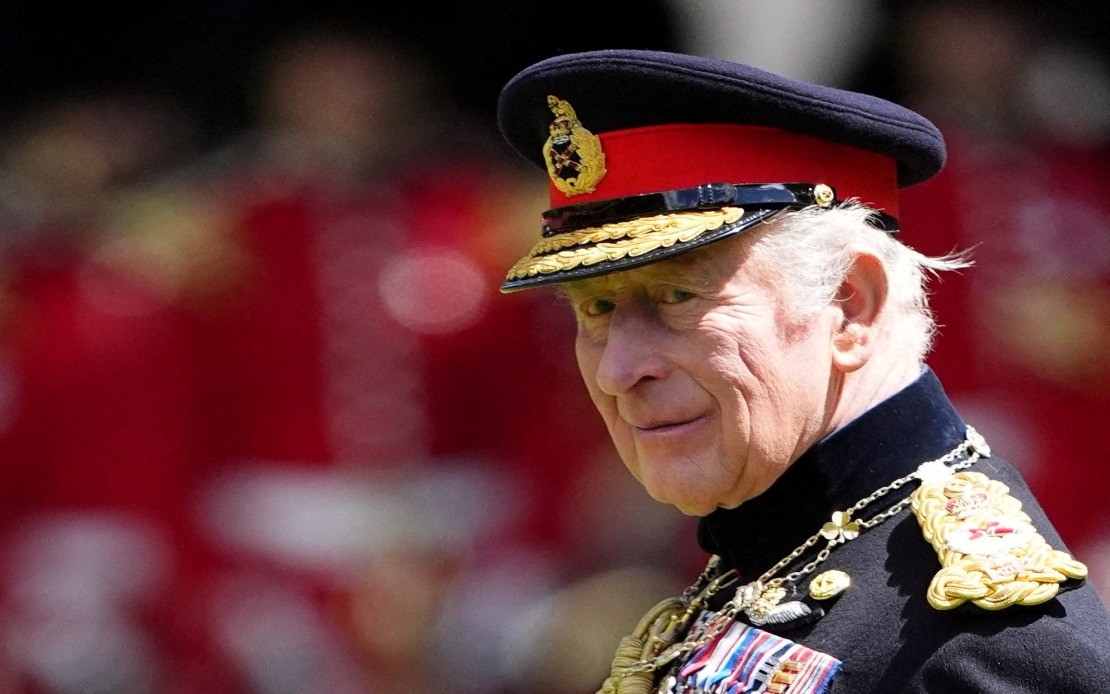
King Charles III has taken an unprecedented step in British royal history by becoming the first reigning monarch to publicly disclose his personal income tax payments. Buckingham Palace announced on Thursday that the sovereign paid £12.9 million (approximately US$17 million) during the 2024-2025 tax year, marking a significant departure from centuries of royal financial secrecy. This disclosure represents a landmark moment for the monarchy, signalling a shift towards greater accountability and openness in how royal finances are managed and reported to the public.
The revelation comes as part of a broader initiative by the Royal Household to enhance transparency around its finances. Alongside the tax payment figure, Buckingham Palace released a new comprehensive document outlining the various streams of income that fund the monarchy. This multifaceted approach reflects a deliberate effort to demystify royal finances at a time when public interest in institutional accountability has intensified globally. For Malaysia and other Commonwealth nations, the move underscores how even the most traditional institutions are responding to contemporary demands for openness and responsible governance.
While King Charles III is the first reigning monarch to publish such figures, his own history with tax transparency extends back further than his accession to the throne in September 2022. During his decades as Prince of Wales, Charles regularly disclosed information about his personal tax contributions, establishing a precedent that he has now extended to his role as sovereign. His cumulative tax payments since becoming king have already exceeded £30 million, with the previous tax year seeing him contribute £11.7 million. This consistent pattern demonstrates a personal commitment to voluntary tax compliance that transcends his formal legal obligations.
Under British law, the reigning monarch enjoys exemption from income tax, capital gains tax, and inheritance tax. This long-standing constitutional privilege reflects historical arrangements dating back centuries, when the crown's finances were intertwined with state revenues and national assets. However, since the 1990s, the monarchy has voluntarily adopted tax payment arrangements, with successive sovereigns choosing to contribute on their personal income despite having no legal requirement to do so. This voluntary compliance mechanism represents a significant compromise between preserving royal privilege and demonstrating civic responsibility.
The king's personal income derives from multiple sources, most notably his private investments and the privately owned estates of Balmoral in Scotland and Sandringham in Norfolk, England. These historic properties generate substantial revenue through their operations and management. The income from these sources is directed towards covering his private expenses, as distinct from the public funding allocated through the Sovereign Grant for official duties and state functions. Understanding this distinction is crucial for grasping how royal finances operate—separating the institutional expenditures of the monarchy as a state institution from the personal financial arrangements of the individual who holds the crown.
James Chalmers, the keeper of the Privy Purse and the royal household's chief financial officer, provided context for the disclosure by emphasising that royal finances, whilst sometimes appearing intricate, operate according to clear principles enshrined in law. He stressed that the underlying system has been refined over time to enable the monarch to serve with both independence and accountability, ultimately serving the long-term interests of the nation. This framing suggests that the complexity often perceived in royal finances stems not from opacity but from the convergence of constitutional arrangements, historical precedent, and contemporary governance requirements.
For Commonwealth nations like Malaysia, this development carries broader implications regarding institutional transparency and governance standards. As democracies and constitutional monarchies increasingly face scrutiny regarding how their leaders manage finances, the British crown's proactive disclosure sets a significant precedent. It demonstrates that even institutions steeped in tradition and constitutional privilege can adapt to modern expectations of accountability without fundamentally compromising their institutional integrity. This becomes particularly relevant for Malaysia, where the Yang di-Pertuan Agong and state rulers operate within their own constitutional frameworks concerning personal and institutional finances.
The timing of this disclosure also reflects the current geopolitical and social climate. Public trust in institutions has declined across Western democracies in recent decades, and the monarchy faces particular scrutiny regarding the relationship between privilege and public service. By voluntarily disclosing his tax payments and publishing detailed financial information, King Charles III addresses potential criticisms regarding royal finances whilst reinforcing the narrative that the crown operates within the same legal and moral framework as other citizens, albeit with specific constitutional exemptions.
This transparency initiative extends beyond mere figures and statistics. The accompanying financial summary documents how the monarchy funds its various functions, including state representation, official residences, and ceremonial obligations. Such documentation allows informed public discourse about whether the current arrangements adequately serve both the crown's functions and public interests. For Malaysian readers familiar with debates about constitutional monarchy and royal institutions, this demonstrates how modern governance increasingly demands that even the most venerable institutions justify their financial arrangements through transparency.
The broader significance of King Charles III's disclosure lies in what it suggests about the evolution of institutional governance in the 21st century. Where previous generations of royalty maintained a presumption of privacy regarding personal finances, the current monarch has embraced a presumption of transparency. This fundamental shift reflects changing social expectations rather than any legal compulsion. The monarchy's voluntary adoption of higher transparency standards may influence other institutions and public figures, potentially establishing new benchmarks for financial accountability across sectors and borders.
Looking forward, this precedent may encourage further disclosures and scrutiny of royal finances. Future parliaments may consider whether current exemptions remain appropriate, particularly as institutional finances become increasingly transparent. For Commonwealth nations, the example set by the British monarchy could shape discussions about how constitutional rulers and their institutions manage finances. Malaysia, as a constitutional monarchy with its own complex arrangements regarding royal finances, may find this development relevant to ongoing conversations about transparency and institutional accountability within the framework of constitutional monarchy.
The disclosure ultimately represents more than a numerical statement of tax payments. It embodies a philosophical shift towards recognising that modern institutions, regardless of their historical pedigree or constitutional status, exist within a social contract requiring transparency and accountability to the publics they serve. King Charles III's willingness to disclose what previous monarchs kept private suggests a conviction that openness strengthens rather than weakens the institution, and that public confidence in the monarchy depends increasingly on demonstrable rather than assumed responsibility.

