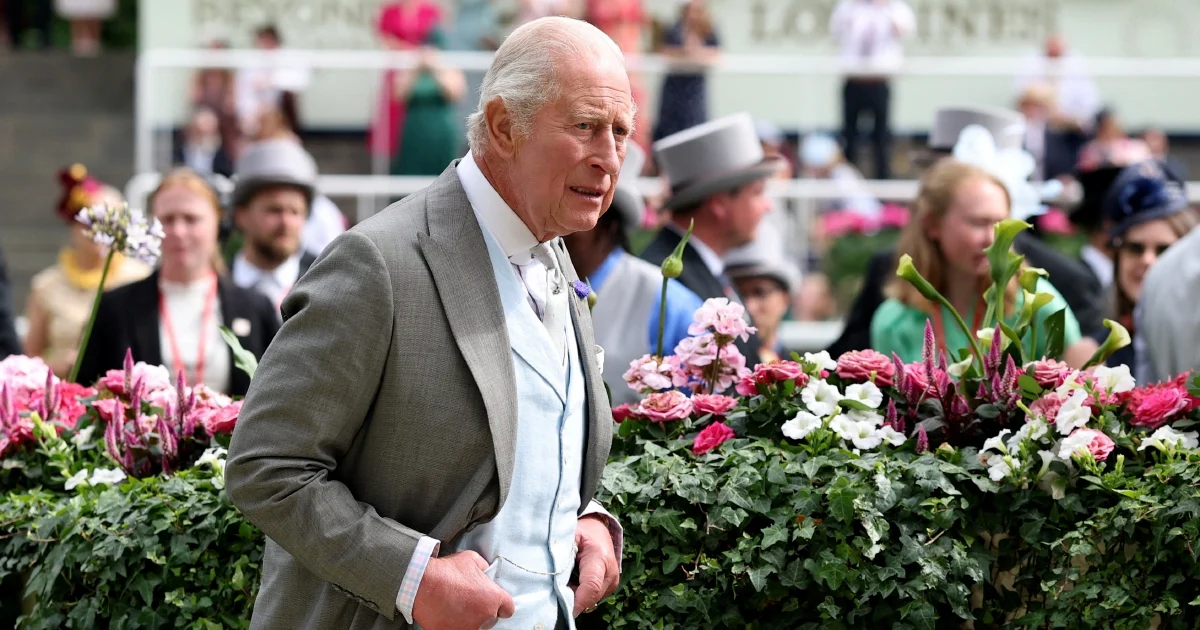
King Charles III has committed to releasing details of his personal tax payments, marking a significant shift in royal financial disclosure practices. The decision, confirmed by Buckingham Palace to British media outlets on Saturday, signals the monarchy's response to intensifying public and political pressure for greater openness about how the Royal Family manages its wealth and meets its tax obligations.
This move arrives at a moment when royal finances have become increasingly contentious. Members of Parliament, tax reform advocates, and media commentators have repeatedly questioned the extent to which royal estates and properties benefit from various tax exemptions and historical privileges. The decision to voluntarily publish tax information represents an attempt to deflect criticism by demonstrating that the Crown operates within established legal frameworks and contributes to the public purse through conventional taxation channels.
For Malaysian and Southeast Asian observers, the significance of this disclosure extends beyond British constitutional practice. The Commonwealth realms, which include Malaysia, share symbolic ties to the British monarchy through the institution of the Crown. Royal transparency initiatives in Britain invariably influence expectations and conversations about governance, accountability, and institutional legitimacy across Commonwealth nations. When the world's oldest parliamentary democracy signals commitment to financial openness, it reinforces global standards for institutional accountability that reverberate through regional political cultures.
The context surrounding this announcement cannot be separated from broader questions about royal privilege. Throughout his tenure as Prince of Wales, Charles managed the Duchy of Cornwall, a substantial landed estate generating millions annually. Critics have argued that such arrangements allow royals to accumulate wealth through mechanisms unavailable to ordinary citizens. By agreeing to disclose his tax position, Charles is effectively addressing longstanding allegations that royal finances operate within a shadowy zone of privileged exception.
Buckingham Palace's framing of this disclosure as a transparency initiative warrants careful examination. Rather than waiting for investigative journalism or parliamentary inquiry to force disclosure, the monarchy has positioned itself as proactively embracing accountability. This strategic timing matters considerably. By announcing the decision themselves, rather than responding to external pressure, the Palace maintains narrative control and shapes public perception of the Crown as modern, forthright, and aligned with contemporary expectations of institutional governance.
The practical implications of this disclosure remain somewhat unclear. The Palace announcement does not specify whether Charles will release his complete personal tax filings, summary figures, or some other form of financial statement. The scope and granularity of disclosure will significantly influence whether this represents genuine transparency or a carefully calibrated public relations exercise designed to satisfy critics without genuinely exposing sensitive financial details. British tax law permits individuals considerable latitude in determining what information they voluntarily release beyond mandatory reporting to tax authorities.
From an international perspective, this disclosure occurs amid a broader global conversation about wealth, taxation, and institutional legitimacy. Democratic societies worldwide are grappling with questions about whether traditional institutions, particularly hereditary ones, can justify their privileges in increasingly egalitarian contexts. The British monarchy's willingness to subject its finances to public scrutiny, at least partially, reflects recognition that blanket opacity is no longer tenable in the age of digital transparency and information democratization.
The announcement also carries implications for how other Commonwealth institutions might be pressured toward similar disclosures. If the British monarchy successfully uses financial transparency as a legitimacy-building tool, other royal institutions throughout the Commonwealth may face expectations to follow suit. This could prompt conversations within Malaysia about the financial practices of institutional actors, extending beyond the monarchy to examine how state institutions generally manage and account for public and private resources.
Critically, this move should not be interpreted as solving the underlying questions about royal taxation and privilege. Disclosure of tax bills demonstrates only that an individual pays taxes; it does not address whether the tax framework itself is equitable, whether certain exemptions are justified, or whether ancestral wealth accumulation through non-transparent mechanisms represents appropriate use of institutional position. The Palace's transparency initiative succeeds or fails not by revealing numbers, but by whether it genuinely satisfies public concern or merely provides the appearance of accountability while preserving substantive privilege.
As Britain's monarchy navigates evolving public expectations about institutional legitimacy, the tax disclosure initiative represents one element in a broader modernisation project. Whether this translates into meaningful reform or functions primarily as strategic communications management will likely determine whether this announcement genuinely restores public confidence in royal financial practices or merely postpones more substantial questions about the justification for royal privilege in contemporary democratic societies.

