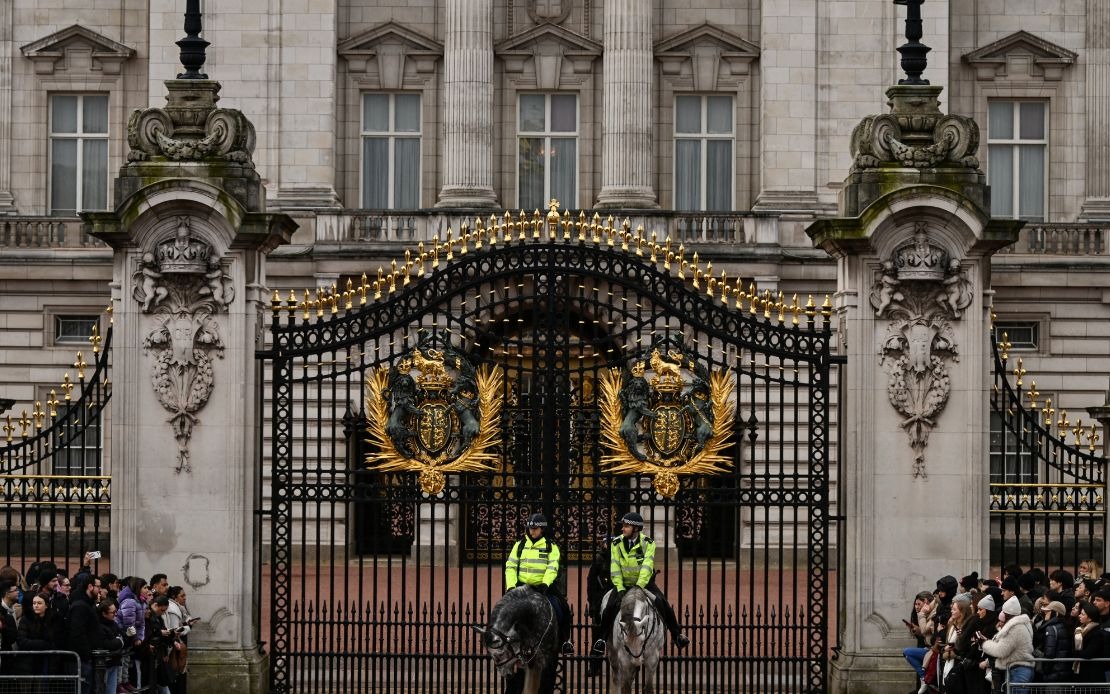
King Charles III and Queen Camilla have confirmed they will maintain Buckingham Palace as the principal ceremonial venue for the British monarchy following the completion of an extensive refurbishment programme, though the royal couple will not establish it as their personal residence. The Royal Household announced the decision on Thursday, clarifying the future role of Britain's most iconic royal building in an era when traditional notions of monarchy are evolving to balance public access with private life.
The confirmation comes as the decade-long Buckingham Palace Reservicing Programme enters its ninth year of operation. This major restoration initiative represents one of the most comprehensive overhauls of the 775-room palace in modern times, addressing aging infrastructure and systems accumulated over centuries of use. The scale of the undertaking underscores the considerable complexity involved in maintaining a working palace that serves simultaneously as an administrative headquarters, ceremonial venue, and historical monument.
Following the refurbishment's completion, the palace will serve multiple strategic purposes within the royal institution. Buckingham Palace will function as the primary workplace for the Royal Household, continue to host state ceremonies, official receptions, and diplomatic functions, and emerge as an enhanced national heritage asset with expanded opportunities for public visitation. This multipurpose approach reflects a modernised vision of monarchy wherein accessibility and transparency complement traditional ceremonial grandeur.
The financial commitment to maintaining royal palaces has grown significantly. The Sovereign Grant, the public funding mechanism that finances the monarch's official duties and supports the upkeep of occupied royal residences, increased to £132.1 million for the 2025-2026 financial year. Within this allocation, £67.5 million was specifically designated for the preservation and protection of royal palaces that remain in active use, demonstrating the substantial resources devoted to maintaining these institutions for both functional and heritage purposes.
Data on palace usage illustrates the intensive ceremonial activity conducted across royal residences. During the 2025-2026 financial year, the Royal Household orchestrated 827 events across royal palaces, attracting nearly 97,000 guests. These figures demonstrate that despite modernisation efforts and evolving protocols, the institutional role of royal palaces in facilitating state functions and diplomatic engagement remains central to how the British monarchy operates. The venues serve as stages for formal state business that cannot be conducted elsewhere.
The decision to preserve Buckingham Palace's ceremonial function while preventing it from becoming a private residence reflects pragmatic institutional planning. Royal residences in Britain have traditionally served multiple constituencies—the monarch's family, the administrative machinery of the Crown, diplomatic guests, and the general public whose heritage interest in these buildings carries both cultural and political significance. By maintaining clear separation between ceremonial and private spaces, the monarchy manages competing expectations around tradition, functionality, and public accessibility.
For Malaysian and Southeast Asian observers, the palace's evolution carries broader implications regarding how established institutions balance heritage preservation with contemporary needs. Many Commonwealth nations maintain similar relationships with historic royal buildings and comparable questions about funding, access, and purpose. The approach taken by the British Royal Household may offer instructive precedent for heritage management in other realms and constitutional monarchies navigating similar transitions.
The refurbishment programme itself addresses essential modernisation that cannot be indefinitely postponed. Beyond cosmetic updates, such comprehensive palace restoration typically encompasses electrical systems, plumbing, climate control, and security infrastructure—the invisible foundations upon which functional ceremonial spaces depend. The nine-year timeline reflects both the technical complexity and the constraint of maintaining operations during renovation, a challenge that distinguishes palace refurbishment from standard building construction.
The emphasis on expanded public access following refurbishment indicates intentional policy toward demystifying royal institutions. Contemporary monarchy increasingly recognises that perceived remoteness generates alienation, whereas carefully mediated public engagement sustains institutional relevance and legitimacy. By explicitly framing Buckingham Palace as a national heritage asset with enhanced visitation opportunities, the Royal Household positions the building as belonging to the broader public rather than functioning solely as an exclusive royal enclave.
The confirmation that King Charles III and Queen Camilla will not establish Buckingham Palace as their primary private residence resolves speculation about post-refurbishment royal household arrangements. Previous monarchs maintained private quarters within the palace, but the current arrangement suggests a clearer institutional boundary between the palace's ceremonial function and the monarch's private life. This structural separation may reflect both practical considerations regarding royal security and a deliberate choice to subordinate private comfort to institutional purpose.
The substantial funding allocation to palace preservation reflects recognition that these buildings constitute irreplaceable national assets requiring continuous investment to prevent deterioration. Unlike private residences where maintenance decisions rest with owners, royal palaces involve public stewardship responsibilities that demand sustained commitment to conservation standards. The allocation of more than half the Sovereign Grant to palace preservation underscores this institutional priority.

