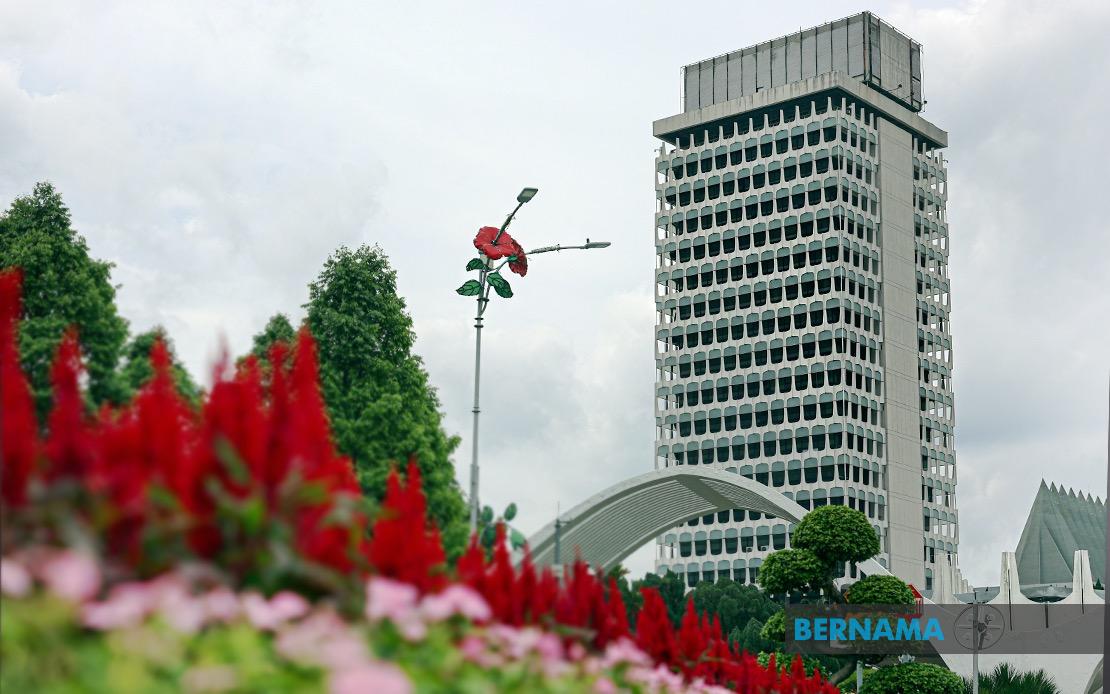
His Majesty Sultan Ibrahim, King of Malaysia, has formally approved eight pieces of legislation following their passage through Parliament during the First Meeting of the Fifth Session of the 15th Parliament. Dewan Rakyat Speaker Tan Sri Johari Abdul made the announcement before question time began in the lower house, confirming that royal assent had been granted to all bills debated and voted on during the parliamentary sitting that ran from January 19 through March 3.
The legislative package covers a diverse range of policy areas critical to Malaysia's governance and development trajectory. The Government Procurement Act 2025 represents a significant overhaul of how public institutions acquire goods and services, establishing new frameworks designed to enhance transparency and efficiency in state spending. This legislation carries particular importance given Malaysia's ongoing efforts to strengthen public sector accountability and combat corruption through institutional reform.
Immigration management received substantial attention within the approved bills, with both the Immigration (Amendment) Act 2025 and the Passports (Amendment) Act 2025 receiving royal assent. These legislative updates modernise Malaysia's border control and identity documentation systems at a time when cross-border movement and security concerns remain paramount in Southeast Asia. The amendments likely address emerging challenges in visitor management and document fraud prevention, reflecting evolving international best practices in border administration.
International cooperation featured prominently in the legislative package through the International Settlement Agreements Resulting from Mediation Act 2025. This legislation provides the statutory framework for Malaysia to honour and enforce international settlement agreements reached through mediation processes, underlining the country's commitment to alternative dispute resolution mechanisms and cross-border commercial cooperation. The enactment strengthens Malaysia's position as a responsible player in international commerce and dispute settlement.
Two major infrastructure-related bills secured royal approval, each with substantial implications for Malaysia's development agenda. The Johor Bahru-Singapore Rapid Transit System (RTS) Link Act 2026 provides the legal foundation for one of Southeast Asia's most significant cross-border infrastructure projects. This 119-kilometre transit corridor, connecting Malaysia's southern economic hub directly with Singapore's eastern region, represents a transformative investment in regional connectivity and economic integration. The project promises to reshape travel patterns between the two countries and facilitate enhanced trade and labour mobility across the causeway.
Companion legislation emerged through the Capitation Grant Act 2026, which establishes the funding mechanism for educational institutions operating on a per-student basis. This legislative framework enables more flexible and responsive resource allocation in Malaysia's education sector, allowing schools and institutions receiving such grants to tailor spending to their specific operational needs and student populations. The structure represents a shift toward outcome-based funding models increasingly adopted across the region.
Environmental protection received statutory reinforcement with the Environmental Quality (Amendment) Act 2026, marking Parliament's continued focus on sustainability and ecological stewardship. These amendments likely strengthen enforcement mechanisms, expand protected categories, or enhance penalties for environmental violations, reflecting Malaysia's commitment to environmental governance amid growing regional concerns about pollution, deforestation, and climate adaptation.
Financial accountability received attention through the Supplementary Supply (2025) Act 2026, which authorises additional government spending beyond the original 2025 budget allocation. Such supplementary supply legislation typically addresses unforeseen expenditures, emergency responses, or shortfalls in specific departmental budgets that arise after the primary budget has been passed. This mechanism ensures fiscal flexibility while maintaining parliamentary oversight of public finances.
Separately, Johari informed Parliament that the Employment Insurance System (Amendment) Bill 2025 had successfully passed through the Dewan Negara following amendments to Clause 11. This legislative development indicates ongoing refinement of Malaysia's employment protection framework, with the upper house's modifications suggesting concerns about specific provisions affecting workers' insurance coverage or employer obligations. The amendment process demonstrates the bicameral system's role in legislative scrutiny and improvement.
Collectively, these eight approved bills reflect a comprehensive legislative agenda addressing governance modernisation, infrastructure development, environmental protection, and social welfare. The breadth of the package demonstrates Parliament's engagement with diverse policy challenges facing the nation, from cross-border infrastructure cooperation with Singapore to domestic employment security mechanisms. For Malaysian readers and businesses, these enactments establish new legal landscapes affecting government procurement processes, border management, educational funding, environmental compliance, and worker protections.
The approval timing places these bills into effect following their royal assent, creating implementation obligations for relevant government agencies and affected sectors. Businesses operating in procurement, education, employment, and infrastructure development will need to familiarise themselves with new statutory requirements. The legislation also signals the government's policy direction on key matters including regional integration through the RTS Link project and environmental sustainability, providing clarity for investors and stakeholders planning medium and long-term strategies in Malaysia.

