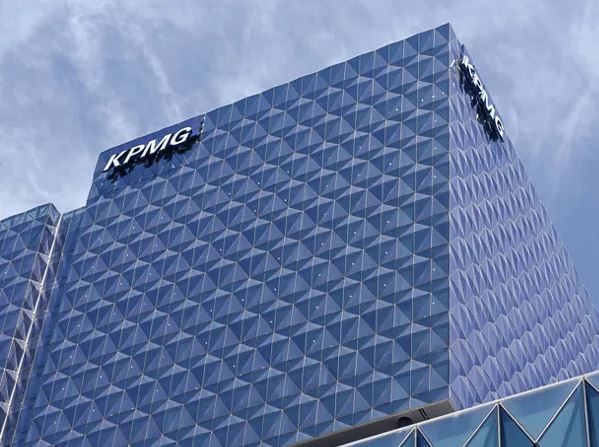
KPMG Australia announced the resignation of its chairman and two senior audit partners on Tuesday, delivering another significant blow to the embattled professional services firm as it grapples with a major ethics scandal. Chairman Martin Sheppard, alongside audit partners Paul Rogers and Eileen Hoggett, have all stepped down following investigations into how the firm handled serious allegations that it misused confidential client information when competing for major audit contracts. The departures represent the third wave of executive exits since the scandal erupted, following the earlier resignation of the firm's chief executive officer and its audit chief.
Interim Chief Executive Stan Stavros acknowledged in a statement that the resignations were essential and overdue. His comments underscored a candid admission that KPMG Australia had fallen short of professional standards the public and stakeholders rightfully expect from one of the world's leading audit firms. The statement specifically recognised the harm inflicted on the whistleblower who exposed the misconduct, the firm's own employees, its client base, and the wider business community that relies on audit integrity. This public acknowledgment represents an attempt to demonstrate accountability and a commitment to remedial action, though it comes only after external pressure forced the firm's hand.
At the centre of the scandal is an allegation that KPMG obtained and improperly leveraged confidential board papers from real estate and property development company Lendlease. According to the whistleblower's account, which became public in March, the firm used these sensitive internal documents to strengthen its competitive bids for significant audit work with Lendlease. The allegation strikes at the heart of audit profession ethics—the requirement for auditors to maintain strict confidentiality regarding client information and to avoid conflicts of interest that could compromise their independence or professional judgment.
Rogers and Hoggett found themselves directly implicated in the whistleblower's formal allegations. Both partners were identified as the lead figures on the Lendlease audit team during the period when the alleged misconduct occurred. Their position as senior audit partners made them responsible for overseeing audit quality, ethics compliance, and adherence to professional standards—making their alleged involvement particularly damaging to KPMG's credibility. Both men currently face investigation by Australia's corporate regulator, adding legal jeopardy to their professional consequences.
The timeline of events reveals the mounting pressure KPMG Australia has faced. The whistleblower's allegations, disclosed publicly in March, triggered regulatory scrutiny and reputational damage that ultimately became untenable for the firm's leadership. Rather than wait for external enforcement actions or further damaging revelations, KPMG moved to preempt continued criticism by accepting these resignations. The strategy reflects a damage-control approach common when professional services firms face scandals: remove the individuals most directly implicated while simultaneously announcing governance improvements to signal reform.
To address systemic governance weaknesses exposed by the scandal, KPMG Australia announced it would recruit an independent chairman—signalling that future leadership would come from outside the existing partnership structure. The firm also committed to adding independent board members, a move designed to dilute internal power dynamics and introduce external oversight of decision-making. These structural changes acknowledge that the firm's previous internal governance arrangements were insufficient to prevent or promptly identify the alleged misconduct.
The implications of this scandal extend well beyond KPMG itself. In Malaysia and across Southeast Asia, where KPMG operates substantial audit and advisory practices, this Australian scandal raises questions about governance, ethical culture, and regulatory oversight across the Big Four accounting firms. Malaysian businesses and regulators may scrutinise audit firms' internal controls more closely, particularly regarding how confidential client information is secured and accessed. The incident reinforces that even prestigious, globally-recognised firms are not immune to lapses in professional conduct.
For Malaysian audit committees and corporate boards engaging KPMG or other major audit firms, the scandal underscores the importance of maintaining robust relationships with auditors while ensuring clear boundaries around sensitive information. Companies should review how they share confidential materials during tender processes and establish protocols that protect strategic information while allowing auditors to properly evaluate their audit scope. The incident also highlights the value of whistleblower protections and anonymous reporting mechanisms—it was an internal whistleblower who exposed KPMG's misconduct, demonstrating that such channels, when properly protected, can be essential accountability tools.
The broader professional services industry in the region may also experience ripple effects. Regulators across Southeast Asia might increase scrutiny of how audit firms handle confidential client information, particularly during competitive tendering processes. Law firms, consulting firms, and other professional services providers operating in Malaysia and the region should review their own information security protocols and confidentiality procedures to ensure they meet international standards and cannot be similarly exploited.
KPMG's response, while substantial, will require sustained follow-through. Accepting resignations and announcing governance reforms addresses the immediate crisis but rebuilding trust requires demonstrating genuine cultural change over time. The firm will need to prove that its new leadership genuinely embraces ethical standards and that structural reforms translate into changed behaviour across the organisation. For KPMG's Australian operations and its regional presence, the path forward depends on executing these changes transparently and consistently, while regulators monitor whether the reforms produce substantive improvements in how the firm operates.

