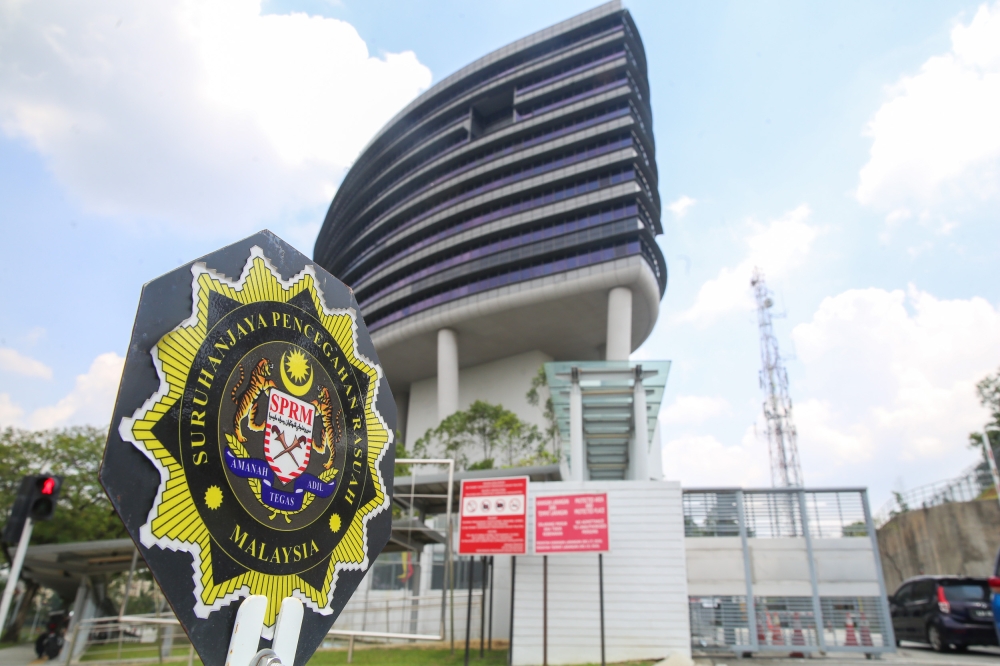
The Malaysian Anti-Corruption Commission announced on August 4 in Putrajaya that it has apprehended five additional immigration officers in connection with allegations of illegal access to the MyIMMs platform, broadening an ongoing investigation into systemic vulnerabilities within Malaysia's immigration database infrastructure.
This latest wave of arrests represents an escalation in MACC's efforts to uncover the scope and scale of unauthorized intrusions into the MyIMMs system, which serves as the primary digital gateway for Malaysia's immigration services. The expansion of the inquiry suggests investigators have uncovered evidence implicating multiple personnel across different operational levels within the immigration department, pointing to potential widespread patterns of misconduct rather than isolated incidents.
The MyIMMs platform, launched to streamline immigration processes and enhance border security, has become the subject of intense scrutiny following initial disclosures of security breaches. These concerns are particularly acute given that the system handles sensitive personal data of millions of travellers, expatriates, and Malaysian citizens, making unauthorized access a matter of considerable public interest and national security significance.
The succession of arrests indicates that MACC investigators have been methodically tracing digital footprints and examining transaction logs to identify individuals involved in the alleged hacking activities. Immigration department officials with system access present particularly acute corruption risks, as their positions grant them legitimate reasons to interact with the database, potentially providing cover for unauthorized activities that might otherwise trigger immediate suspicion.
For Malaysian citizens and residents, these revelations raise troubling questions about data protection and the reliability of government digital infrastructure at a time when many nations are simultaneously investing in more sophisticated online systems. The integrity of immigration records directly affects visa applications, travel permissions, and identity verification processes that Malaysians depend on for both domestic administration and international mobility.
The timing of these arrests also carries implications for regional confidence in Malaysia's governance architecture. As Southeast Asia's leading economies increasingly digitize government services and cross-border data sharing arrangements, questions about system security and personnel accountability can ripple across the region's business and diplomatic communities, potentially affecting investor confidence and international cooperation frameworks.
MACC's continued focus on this matter demonstrates institutional commitment to investigating corruption within government technology systems, an area where detection and prosecution have historically proven challenging due to technical complexity and the difficulty of establishing culpability for digital crimes. The commission's determination to pursue multiple officers suggests they have accumulated sufficient evidence to support charges and expect successful prosecutions.
The investigation also highlights vulnerabilities in internal access controls within the immigration department. When multiple personnel can allegedly access or manipulate sensitive systems without triggering automatic alerts or creating audit trails that quickly identify unauthorized activity, systemic weaknesses become apparent. This points to potential deficiencies in governance frameworks, staff training, and technological safeguards that government agencies should address as they modernize.
For immigration officials and civil servants more broadly, these arrests serve as a cautionary reminder about the consequences of misusing government systems and the evolving sophistication of anti-corruption investigations. MACC's ability to trace digital wrongdoing demonstrates that technological crime rarely remains hidden indefinitely, particularly when investigative agencies possess adequate resources and mandate.
The broader significance extends to how Malaysia manages its digital government transformation agenda. Successful modernization requires not only deploying advanced systems but also establishing proportionate oversight mechanisms, robust personnel vetting procedures, and technological safeguards that prevent abuse. The MyIMMs case illustrates that absent adequate controls, even well-intentioned digital initiatives can become vehicles for misconduct.
Stakeholders across Malaysia's civil service and public sector will likely view these developments as a signal that corruption involving information technology systems faces serious investigative scrutiny and criminal consequences. This may encourage greater diligence in access management and reporting of suspicious activities among colleagues in government departments.
As the investigation progresses and additional details emerge through court proceedings, Malaysian policymakers will need to assess whether current frameworks for managing digital government systems adequately protect public data and maintain institutional integrity. These considerations will inform future decisions about system architecture, personnel security clearances, and technological safeguards for critical government infrastructure supporting millions of citizens daily.

