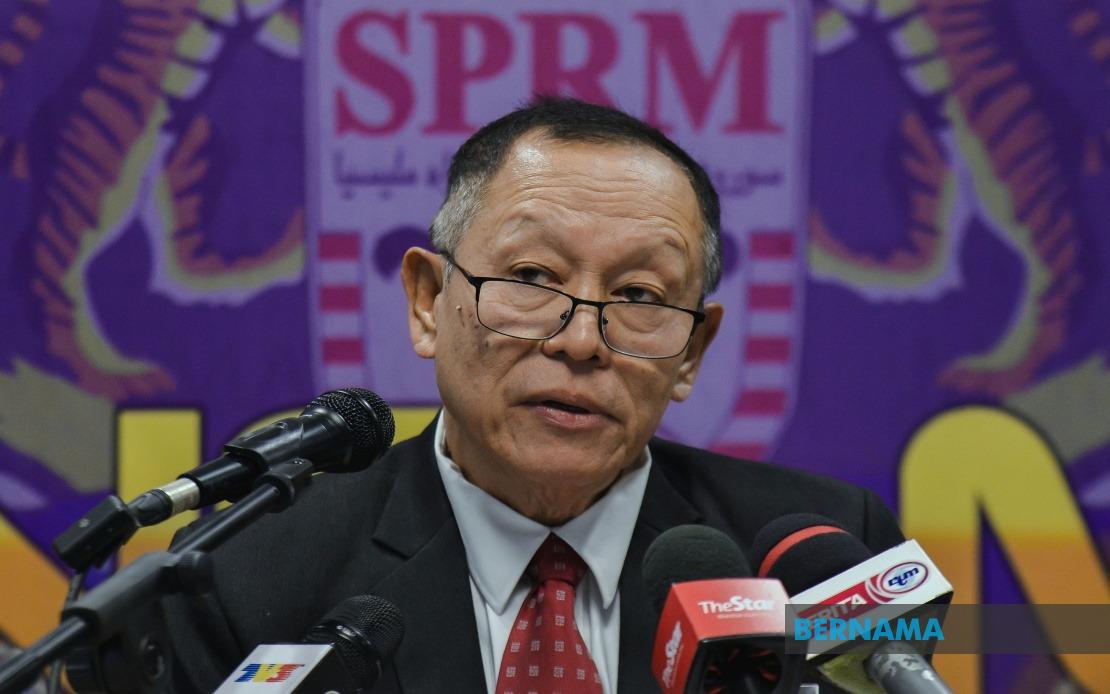
The Malaysian Anti-Corruption Commission (MACC) has wrapped up its questioning of a former chief financial officer connected to Lembaga Tabung Haji, marking a significant milestone in the anti-graft body's investigation into alleged misconduct at the statutory body. The questioning sessions, which extended over four days, concluded on Wednesday with the final interview running from 9 am until 6.30 pm, according to MACC chief commissioner Datuk Seri Abd Halim Aman.
The investigation centres on allegations that senior management abused their authority in authorising the purchase of shares in two plantation companies valued at approximately RM370 million. This transaction has drawn scrutiny following recommendations contained in the Royal Commission of Inquiry (RCI) report on Lembaga Tabung Haji, which examined governance failures and financial decisions at the pilgrimage fund manager. The alleged share purchase represents a significant portion of the fund's assets and has raised questions about the decision-making process and whether proper procedures were followed.
The 60-year-old former CFO, together with the statutory body's former chief executive officer, voluntarily presented themselves at MACC headquarters on Tuesday to provide their accounts of the transaction. Rather than being compelled through formal detention, both individuals appeared to cooperate with investigators by coming forward to make statements. This cooperative approach suggests either confidence in their positions or an effort to clarify their roles in the decision-making process surrounding the plantation share acquisition.
Tabung Haji, formally known as Lembaga Tabung Haji, manages funds deposited by Malaysian pilgrims preparing for the Hajj. As a statutory body entrusted with substantial public money contributed by Muslim Malaysians, governance standards and financial prudence are paramount. Any misuse of authority in deploying these funds carries significant implications not only for the institution's credibility but also for the confidence of the millions of depositors who depend on its stewardship. The RCI's investigation into Tabung Haji operations reflects broader concerns about accountability within government-linked entities.
The RM370 million plantation share purchase has emerged as a focal point of scrutiny. The MACC's investigation seeks to establish whether this transaction was authorised through proper channels, whether adequate due diligence was conducted, and whether the individuals involved exceeded their authority or acted in contravention of established procedures. Plantation sector investments, while potentially legitimate portfolio diversification for an entity managing long-term funds, require careful evaluation to ensure returns justify the deployment of depositor money.
MACC chief commissioner Abd Halim Aman's statement indicating completion of the statement-recording phase signals that investigators have gathered primary testimony from at least one key figure in this transaction. The progression from statement-taking to subsequent investigative steps—whether further interviews with other individuals, document analysis, or formal charges—will depend on the findings from these extensive four-day sessions. The thoroughness of the questioning, evident from the lengthy daily sessions, suggests the MACC is conducting a detailed examination of the decision-making framework.
The involvement of anti-corruption authorities in investigating a pilgrim fund manager reflects the government's commitment to transparency in institutions handling public money, particularly those managing savings for religious purposes. Malaysians contributing to Tabung Haji are entrusting their life savings for a sacred obligation, making governance failures in this context particularly sensitive. Any proven misconduct would undermine public trust in both the institution and the broader financial ecosystem serving Malaysia's Muslim population.
The investigation arrives at a time when Malaysian authorities have intensified scrutiny of statutory bodies and government-linked companies following high-profile cases of financial mismanagement. The MACC's dedicated focus on the Tabung Haji matter, including the extended questioning sessions, demonstrates the agency's determination to investigate allegations thoroughly. The four-day timeframe for recording a single individual's statement indicates the complexity of the transaction under investigation and the breadth of topics covered during interrogation.
For Malaysia's financial sector and governance standards more broadly, the Tabung Haji investigation carries implications beyond the immediate parties involved. It reinforces expectations that senior management at statutory bodies must maintain rigorous adherence to decision-making protocols and fiduciary responsibilities. The case may also inform future governance reforms within similar institutions, particularly regarding approval thresholds for major asset acquisitions and the distribution of decision-making authority among senior executives.
Looking ahead, the MACC's next steps will likely involve analysing the statements obtained, cross-referencing them with documentary evidence, and potentially conducting further interviews with other individuals who participated in or approved the plantation share purchase. The investigation's trajectory will determine whether formal charges are pursued, which would place the allegations before the courts for judicial determination. For depositors in Tabung Haji and the broader Malaysian public, the investigation's conclusions will provide clarity on the governance standards and financial decision-making processes at one of the nation's most significant financial institutions.

