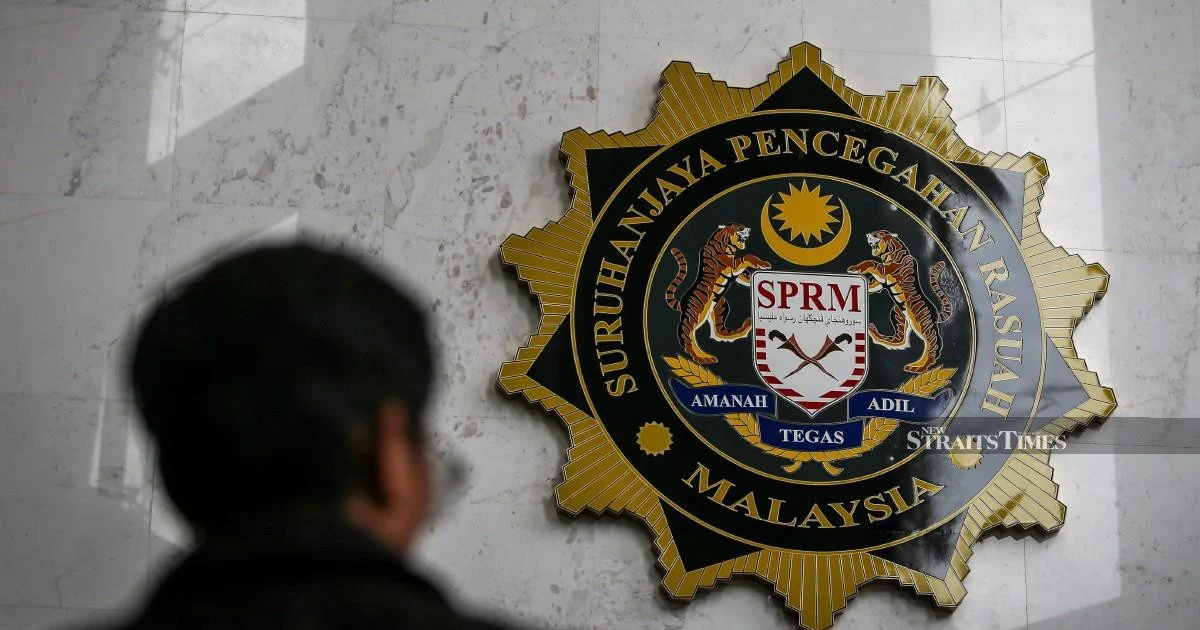
The Malaysian Anti-Corruption Commission has announced plans to station monitoring teams across Johor state during the upcoming 16th election, establishing a network of five operation rooms designed to function without interruption throughout the campaign period. This infrastructure initiative reflects growing institutional focus on safeguarding electoral integrity in the country's second-largest state by population, where political competition typically runs intense and resource allocation becomes contentious.
These dedicated centres will serve as the public's primary gateway for reporting suspected misconduct by candidates, election officials, and government representatives. Citizens encountering potential breaches—whether involving misuse of state resources, vote-buying schemes, or improper influence—can lodge complaints directly with trained MACC personnel positioned within the state. The round-the-clock availability addresses a persistent challenge in election monitoring: corrupt activities frequently occur outside standard business hours, when detection becomes difficult and accountability mechanisms remain inactive.
The strategic placement of five separate facilities across Johor's geography acknowledges the state's diverse demographic and economic landscape. Johor encompasses major urban centres including Johor Baru, industrial zones around Pasir Gudang, and sprawling rural constituencies where political operatives historically enjoyed greater opacity. By distributing resources geographically rather than concentrating them in the capital, MACC signals determination to reach voters in peripheral areas who might otherwise lack convenient channels for reporting misconduct.
This institutional deployment carries particular significance for Malaysia's broader democratic health. Election-related corruption represents a fundamental democratic threat, as it distorts voter preferences and undermines confidence in public institutions. When citizens perceive that money and connections determine electoral outcomes rather than policy platforms and leadership quality, participation rates decline and cynicism about democratic processes intensifies. MACC's visible commitment to enforcement during Johor's campaign potentially reassures voters that their ballots matter and that misconduct carries consequences.
The initiative also reflects lessons learned from previous state elections and the contentious 15th general election in 2022. Post-election analyses have consistently identified voter anxiety about fairness and fears that certain factions wielded financial advantages during campaigning. By establishing detection infrastructure before campaign fever reaches its peak, MACC attempts to deter would-be offenders and create a perception that surveillance mechanisms are active and responsive. Prospective wrongdoers may calculate that attempted corruption carries unacceptable risks when enforcement teams maintain constant vigilance.
Johor's political context makes this initiative particularly consequential for the broader region. As a state with significant Chinese and Indian communities alongside Malay-Muslim majorities, Johor elections often reflect broader Malaysian ethnic and religious dynamics. Election-related misconduct in such contexts can amplify communal tensions if certain communities perceive that corruption is deployed asymmetrically against their preferred candidates. Demonstrable MACC evenhandedness during the campaign becomes essential for maintaining multicommunal political confidence.
The operational framework for these centres remains partly undisclosed, but their establishment likely involves coordination between MACC field teams, state electoral administration authorities, and police units responsible for maintaining election security. Intelligence-sharing protocols between agencies will prove essential, as corruption often intersects with other electoral irregularities including fraudulent registration and voter intimidation. Comprehensive monitoring requires seamless communication across institutional boundaries rather than siloed operations where each agency pursues narrowly defined mandates.
From a Southeast Asian perspective, Malaysia's demonstrated commitment to election monitoring infrastructure positions the country as a regional leader in anti-corruption efforts during electoral periods. Neighbouring countries including Thailand, the Philippines, and Indonesia have grappled with similar challenges regarding election-related graft and abuse of official resources. MACC's approach—combining public accessibility with dedicated institutional capacity—offers a practical model that other governments might study and potentially adapt to their circumstances.
The effectiveness of these operation rooms ultimately depends on public willingness to report misconduct and MACC's capacity to investigate complaints rapidly while remaining operationally impartial. Historical experience across multiple democracies demonstrates that anti-corruption agencies gain credibility through consistent enforcement against offenders across the political spectrum, not through selective prosecution of opposing factions. Johor voters will observe whether MACC responds equally to reports concerning all candidates regardless of party affiliation or ethnic and religious identity. Such even-handed performance builds institutional legitimacy that extends beyond individual elections.
Looking forward, the deployment of these permanent operation rooms during Johor's campaign period may establish a precedent for future state and federal elections. If the operation rooms successfully process public complaints and facilitate investigations that produce convictions, Malaysia's electoral framework would gain an important institutional enhancement. Conversely, if operation rooms become seen as performative gestures that fail to translate complaints into accountability, public scepticism about anti-corruption institutions would deepen, potentially accelerating democratic erosion across Malaysia's federal system.

