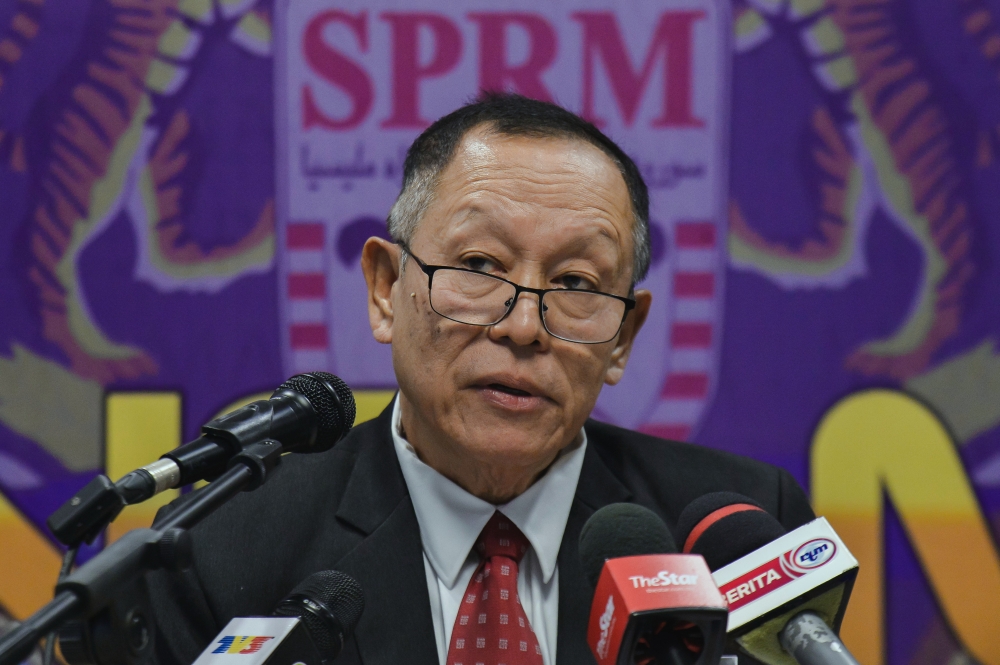
The Malaysian Anti-Corruption Commission (MACC) has apprehended the former chief executive officer and chief financial officer of a significant corporation as part of an ongoing investigation into allegations of authority misuse connected to a RM370 million plantation transaction. The arrests, conducted in Kuala Lumpur, represent the latest in a series of high-profile cases targeting corporate leadership figures suspected of financial irregularities and governance breaches.
The detention of these two senior executives signals intensified scrutiny by the anti-corruption body into large-scale commercial dealings within Malaysia's agricultural and plantation sector. The RM370 million figure attached to the transaction places it among the more substantial corporate arrangements currently under investigative review, underscoring the scale of potential impropriety authorities are examining. Such cases frequently reveal systemic weaknesses in corporate oversight structures and the decision-making processes governing major asset acquisitions or dispositions.
The charge of abuse of power, rather than straightforward corruption allegations, suggests investigators have identified procedural irregularities or authority breaches in how the transaction was approved and executed. This distinction carries significant implications for prosecution strategy, as it typically requires demonstrating that decision-makers acted outside legitimate authority parameters or favoured particular parties through improper means. The involvement of both the CEO and CFO indicates that authorisation and financial aspects of the deal are central to the inquiry.
For Malaysian corporate governance observers, the case underscores persistent vulnerabilities in executive accountability mechanisms, despite enhanced regulatory frameworks implemented over recent years. Large plantation conglomerates remain crucial to Malaysia's economic structure, particularly in commodity-dependent regions, making governance failures in this sector a matter of national economic concern. The MACC's intervention reflects broader governmental commitment to corporate integrity, yet the frequency of such investigations suggests preventive compliance measures require strengthening across major industries.
The timing of these arrests occurs against a backdrop of elevated public and institutional attention to financial governance standards. Malaysia's corporate landscape has undergone considerable change since previous high-profile scandals, yet enforcement patterns indicate that sophisticated schemes continue to circumvent existing controls. The plantation industry, where large transactions and complex supply chains provide concealment opportunities, remains particularly vulnerable to such arrangements. Regulatory authorities have progressively expanded surveillance of major deals, particularly where decision-making processes appear compressed or stakeholder consultation inadequate.
For businesses operating across Southeast Asia, the case carries cautionary implications regarding transaction governance and documentation standards. Multinational corporations and cross-border investors pay close attention to MACC enforcement patterns when assessing jurisdictional risk profiles. The detention of executive-level figures signals that senior management cannot rely on formal corporate positions to shield them from investigation, a principle that has gradually reshaped boardroom practices across the region.
The investigation's focus on a plantation deal specifically reflects the sector's historical significance in Malaysian commerce and longstanding regulatory challenges. Plantation assets frequently involve land transactions, regulatory approvals, and environmental considerations, creating multiple intervention points where authority misuse can manifest. The complexity inherent in such deals sometimes enables obfuscation of decision-making chains, potentially allowing authorities to identify questionable approval pathways that would appear anomalous under standard governance protocols.
The arrest of the CFO component merits particular analytical attention, as financial gatekeepers occupy critical positions in transaction validation. If the CFO failed to exercise appropriate scrutiny or permitted financial mechanisms to facilitate improper arrangements, such failures fundamentally undermine corporate financial control systems. This aspect of the investigation likely addresses whether financial documentation properly reflected transaction substance, whether independent approvals were obtained, and whether warning indicators received adequate escalation to audit committees or boards.
Regional implications extend to investor confidence in Malaysian corporate structures and the operational environment for major capital deployment. Institutional investors evaluating Malaysian assets increasingly incorporate anti-corruption enforcement as a risk factor, recognising that governance failures can generate significant asset value destruction. The MACC's visible enforcement activity, while demonstrating regulatory commitment, simultaneously signals elevated jurisdictional risk to certain business models or arrangements that lack transparent decision-making foundations.
The investigation's progression will likely reveal whether systemic governance failures enabled the alleged impropriety, or whether the case represents isolated executive misconduct. This distinction carries meaningful implications for regulatory reform discussions and whether the incident prompts sector-wide governance reassessment. Plantation companies and their institutional investors await case developments to understand whether enforcement patterns suggest heightened scrutiny of specific transaction types or whether the case reflects routine investigation of anomalous arrangements.

