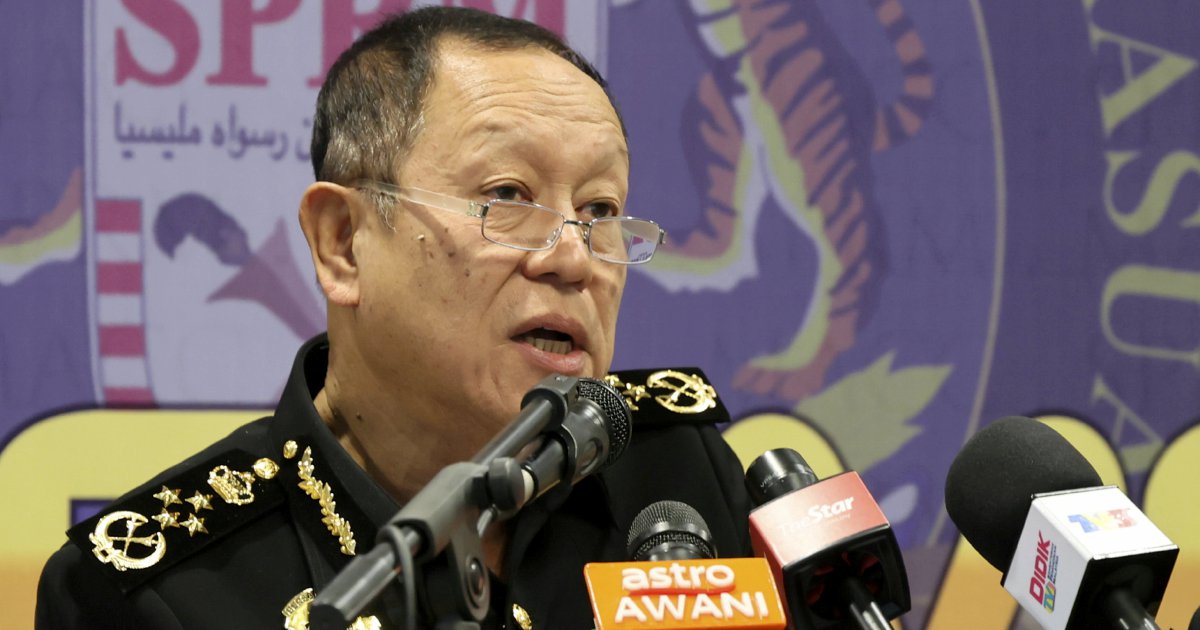
The Malaysian Anti-Corruption Commission (MACC) has commenced a formal investigation into Tabung Haji following the release of the Royal Commission of Inquiry (RCI) report, marking the first concrete enforcement action stemming from the inquiry's findings. The decision to launch the probe comes after months of scrutiny into the management and operations of Malaysia's pilgrimage savings fund, which serves millions of Muslims planning to perform the Hajj pilgrimage in Saudi Arabia.
Investigators from the MACC descended on Tabung Haji's headquarters in Putrajaya to begin gathering evidence and conducting interviews as part of the formal investigation. This deployment signals that the anti-corruption body has identified potential violations warranting deeper examination beyond the RCI's initial findings. The presence of MACC teams at the pilgrimage fund's offices underscores the seriousness with which authorities are treating the matter and suggests that allegations uncovered during the inquiry have crossed the threshold for criminal investigation.
Tabung Haji, which holds approximately 50 billion ringgit in deposits from roughly 9.5 million members, has faced persistent questions about corporate governance, investment decisions, and the safeguarding of contributors' funds. The RCI's investigation into the institution was triggered by growing concerns about the fund's financial performance and the transparency of its operations. Members and public commentators had long questioned why the fund's returns had deteriorated significantly compared to earlier years, raising suspicions about mismanagement or improper allocation of assets.
The MACC's intervention carries particular weight given the fund's unique position within Malaysia's financial ecosystem. Tabung Haji operates under special legislation and serves as a trust vehicle for millions of ordinary Malaysians who contribute regularly toward their Hajj journey. Any findings of corruption or misconduct would not only damage public confidence in the institution but could also have broader implications for how government-linked entities manage public assets and member funds across the country.
For Malaysian pilgrims and their families, the investigation represents both reassurance and concern. Reassurance comes from the fact that authorities are taking allegations seriously and deploying specialized investigators to examine potential wrongdoing. Concern arises from the simple fact that such an investigation was deemed necessary at all, highlighting the extent of the problems identified during the RCI process. Members contributing to the fund have legitimate expectations that their savings are managed with integrity and competence.
The investigation also carries political significance within Malaysia's broader anti-corruption agenda. It demonstrates that the MACC is willing to pursue complex cases involving large institutional structures and substantial sums of money. The willingness to investigate Tabung Haji—a religious and culturally significant institution—shows that no organization is beyond scrutiny regardless of its societal role or the sensitivities involved. This sends an important signal about the government's commitment to rooting out corruption wherever it may occur.
Regionally, developments at Tabung Haji resonate beyond Malaysia's borders. Several Southeast Asian countries maintain similar pilgrimage savings schemes or religious endowment funds, and questions about governance at major Islamic financial institutions attract attention across Muslim-majority economies in the region. How Malaysia handles the Tabung Haji investigation could set precedents for accountability and transparency standards that influence institutional practices throughout Southeast Asia.
The investigative process will likely take considerable time given the complexity of Tabung Haji's operations and the number of transactions that may require examination. MACC investigators will need to review investment decisions spanning multiple years, examine the procurement of services and products, and interview current and former officials responsible for major decisions. The inquiry will need to establish whether any individuals acted with criminal intent or whether failures were primarily matters of governance structure and oversight inadequacy.
Stakeholders are watching closely to see what specific allegations the MACC chooses to prioritize in its investigation. The RCI report presumably identified multiple areas of concern, and the anti-corruption body will need to determine which potential violations constitute the most serious criminal matters. The scope of the investigation—whether it focuses narrowly on particular transactions or more broadly on systemic issues—will significantly influence both its duration and its ultimate findings.
For the MACC, the Tabung Haji investigation represents a test case for how effectively the institution can handle complex financial investigations involving large organizations with significant political and social dimensions. The outcome could establish important precedents for future investigations into other major institutions and government-linked entities. The investigation's success will be measured not only by whether charges are filed but also by whether recommendations improve governance practices across similar organizations.
The timing of the investigation coincides with broader calls within Malaysia for strengthened accountability in the management of public and quasi-public institutions. Public trust in government and government-linked organizations remains fragile following previous high-profile cases of financial mismanagement. Demonstrating that serious allegations are thoroughly investigated and appropriate action taken—whether that results in prosecutions or institutional reforms—becomes crucial for rebuilding confidence in Malaysia's institutional framework.
As the investigation progresses, attention will also focus on whether recommendations emerging from the MACC's work lead to structural reforms at Tabung Haji and potentially serve as a model for enhancing governance across Malaysia's landscape of religious, charitable, and savings institutions. The broader impact of this investigation may ultimately extend far beyond establishing individual culpability to reshaping how Malaysia's crucial religious institutions operate and serve their members.

