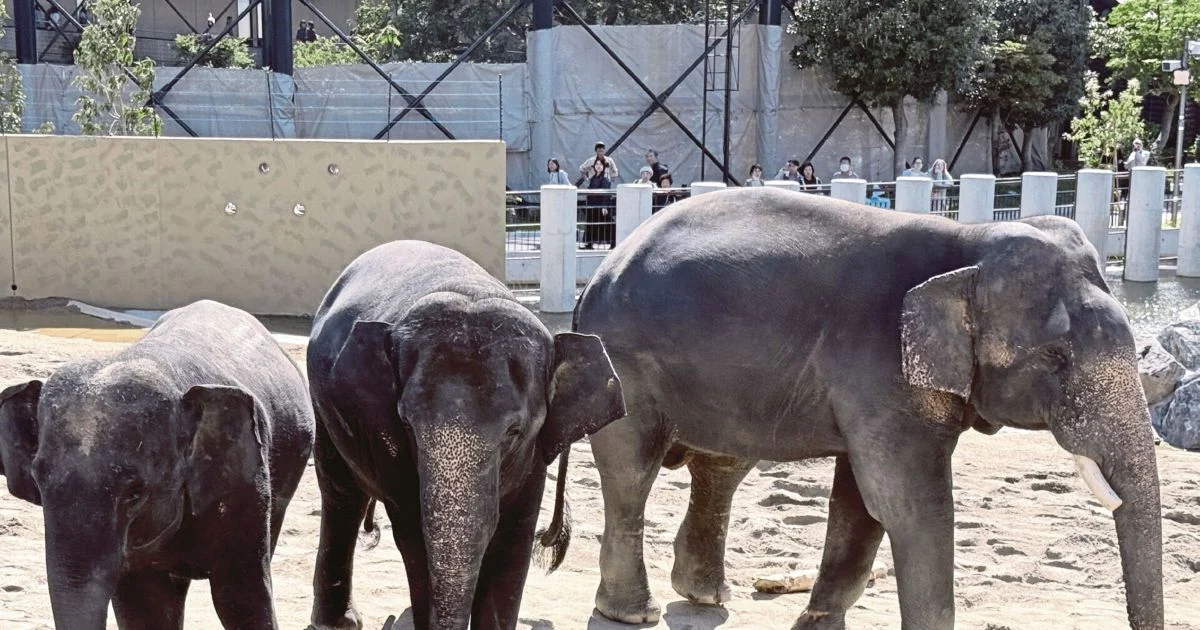
The Malaysian Anti-Corruption Commission (MACC) has initiated a formal inquiry into the relocation of three Asian elephants from Zoo Taiping to Tennoji Zoo in Osaka, Japan, marking another instance of anti-corruption scrutiny over wildlife management decisions in the country. The investigation reflects growing concerns about the transparency and propriety of high-profile zoo animal transfers, particularly those involving international destinations where oversight becomes more complex.
The three elephants represent a significant portion of Zoo Taiping's elephant population and considerable cultural and environmental importance to Malaysia's heritage. Zoo Taiping, located in Perak state, is one of the country's oldest and most visited zoological parks, with a long history of elephant management and conservation efforts. The facility had been home to these animals for extended periods, making their sudden transfer to a foreign institution noteworthy enough to warrant administrative scrutiny.
Tennoji Zoo in Osaka operates under different regulatory frameworks and animal welfare standards compared to Malaysian facilities. International elephant transfers involve complex negotiations covering animal health certifications, transportation logistics, veterinary care protocols, and often substantial financial arrangements. The MACC investigation will likely examine whether proper approval channels were followed, whether value-for-money considerations were assessed, and if all stakeholder consultations occurred appropriately.
Animal relocation decisions typically fall under the purview of wildlife authorities and zoo management structures in Malaysia. Questions about such transfers can encompass multiple layers: whether necessary permits were obtained from relevant federal and state authorities, if environmental impact assessments were conducted, and whether decisions benefited from proper governance oversight. The involvement of MACC suggests allegations or concerns have been raised about potential irregularities in the process that transcend ordinary administrative matters.
Such transfers often generate public concern in Malaysia, where elephant conservation carries emotional resonance tied to national identity and environmental stewardship. Zoo animals function as ambassadors for their species, and their relocation can affect public education programmes and local conservation narratives. When international transfers occur, questions naturally arise about whether moving animals abroad serves Malaysian conservation interests or primarily serves other parties' objectives.
The investigation comes amid broader global scrutiny of elephant welfare in captive settings. International animal welfare organisations have increasingly questioned the ethics and practice of relocating elephants between facilities, particularly across continents where climate adaptation and social adjustment present significant challenges. Tennoji Zoo's capacity to provide appropriate conditions for Asian elephants, the species' adaptation requirements, and long-term welfare planning would logically feature in any comprehensive examination of such transfers.
Financial considerations frequently underpin such scrutiny. International zoo transfers occasionally involve substantial payments or resource exchanges that require transparent budgeting and proper authorisation. The MACC's involvement suggests questions about whether Zoo Taiping received appropriate compensation, whether any private interests benefited improperly, or if institutional decision-making followed established procurement and approval protocols. These financial dimensions connect directly to the commission's mandate.
The timing and circumstances of the relocation warrant examination through a governance lens. Whether decision-makers consulted adequately with expert veterinarians, animal welfare specialists, and conservation professionals affects the legitimacy of such moves. Zoo Taiping operates under state jurisdiction with oversight from federal wildlife authorities, creating potential administrative complexity that may require clarification regarding decision-making authority and accountability structures.
This investigation reflects evolving standards in Malaysian governance concerning public institutions and wildlife stewardship. As the country develops more sophisticated anti-corruption frameworks and civil society engagement around environmental issues, scrutiny of decisions affecting national assets—including animals under state care—intensifies appropriately. The MACC probe signals that Malaysian institutions increasingly examine not just financial irregularities but broader governance questions affecting public resources.
Regionally, the matter carries implications for Southeast Asian wildlife management standards. As nations share expertise and facilities for animal conservation, establishing clear governance frameworks becomes increasingly important. Malaysia's investigation may influence how other regional institutions approach international transfers and what transparency expectations develop among stakeholder communities.
The investigation's outcomes may influence future policies governing international animal relocations from Malaysian facilities. Regardless of findings, the process itself serves to strengthen institutional accountability and public confidence in decision-making around sensitive environmental matters. Zoo Taiping and relevant wildlife authorities will likely face renewed scrutiny regarding their procedures, potentially leading to enhanced documentation requirements and consultation protocols for future transfers.
For Malaysian zoo management more broadly, this development underscores the necessity of robust internal governance alongside transparent stakeholder engagement. Future animal relocation proposals will benefit from comprehensive documentation demonstrating value alignment with conservation objectives, proper financial justification, and clearance through established oversight mechanisms that can withstand external scrutiny.

