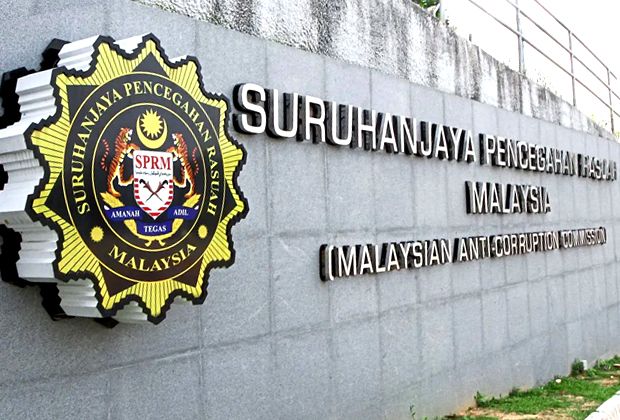
The Malaysian Anti-Corruption Commission has lifted freezing orders that had restricted access to bank accounts held by Rohas Tecnic and its subsidiaries, clearing the way for the power transmission and telecommunications tower manufacturer to restore normal operations. The revocation applies across all previously frozen corporate accounts belonging to HGPT, a subsidiary of Rohas Tecnic, as well as personal banking facilities maintained by both serving and departed officers of that unit. The company announced the development through a filing lodged with Bursa Malaysia, signalling an end to a months-long freeze that had hampered routine business activities.
The seizure orders had been issued under the Anti-Money Laundering, Anti-Terrorism Financing and Proceeds of Unlawful Activities Act 2001, legislation that grants Malaysian authorities broad powers to prevent suspected illicit fund flows. The freezing mechanism operates as a precautionary measure, preventing account holders from accessing or moving funds while investigations proceed. For an operating company, such restrictions create substantial operational friction, complicating vendor payments, employee remuneration, and other essential cash flow requirements. By releasing these orders, the anti-corruption body has determined that the grounds for maintaining the freeze no longer apply, though the decision provides no commentary on the underlying investigation or its current status.
Rohas Tecnic initially disclosed the freezing orders on October 17, 2025, at which point the commission had issued restrictions affecting specified bank accounts under both Section 44 and Section 50 of the AMLA. The original announcement encompassed not only Rohas Tecnic itself but also two key subsidiaries: HGPT, the power transmission and telecommunications infrastructure specialist, and Rohas-Euco Industries Bhd, another operating unit. The scope of the initial restrictions appeared comprehensive, targeting corporate accounts across multiple entities within the group structure. The timing of the disclosure suggested that account holders had recently been notified of the restrictions and that the company faced immediate challenges in managing its financial obligations.
The revocation process unfolded in stages over late November. On November 25, 2025, Rohas-Euco Industries Bhd received lifting orders issued directly by the MACC under Section 44A of AMLA, indicating that one subsidiary regained unrestricted access to its accounts. The following day, both Rohas Tecnic and HGPT received separate revocation orders, though notably these were issued by the Deputy Public Prosecutor rather than by the MACC itself, reflecting the jurisdictional distinction between anti-corruption investigators and prosecutorial authority. The staggered nature of the revocations across different entities and under different statutory provisions suggests a careful, potentially sequential legal process rather than a blanket clearing action.
For Rohas Tecnic as a publicly listed company on Bursa Malaysia, the reinstatement of banking access carries significant operational implications. The tower manufacturing and power transmission sector depends on timely completion of major infrastructure contracts, where project delivery schedules determine cash flow timing. Frozen accounts would have prevented the company from paying suppliers, servicing debt, or meeting payroll obligations, potentially triggering contractual penalties or damaging vendor relationships. The restoration of banking facilities removes these operational constraints and allows the company to resume its standard commercial rhythm, though any reputational damage from the freezing episode may require separate management attention.
The decision to lift the orders does not necessarily imply that the underlying investigation has concluded or that no wrongdoing occurred. Under Malaysian anti-corruption practice, seizure orders are tools designed to prevent asset dissipation during investigation and potential prosecution phases. Their revocation typically reflects either the completion of investigative objectives, the gathering of necessary evidence, the resolution of suspicions, or a determination that the restrictions are no longer proportionate to the investigation's needs. The MACC and prosecution authorities routinely lift orders when they are satisfied that further freezing serves no investigative purpose, regardless of whether formal charges subsequently follow.
The involvement of the Deputy Public Prosecutor in issuing the final revocations for Rohas Tecnic and HGPT suggests that prosecutorial review preceded the lifting decision. Malaysia's prosecutorial hierarchy means that major decisions affecting asset restrictions typically flow through prosecutorial channels, particularly where complex corporate structures are involved. The distinction between the MACC's direct issuance of the revocation for Rohas-Euco Industries and the prosecutor's issuance for the other two entities may reflect different evidentiary statuses or investigative stages, though the reasons remain opaque from public disclosure.
For other Malaysian companies operating in infrastructure and manufacturing sectors, the Rohas Tecnic case provides a cautionary reminder about the vulnerability of corporate accounts to anti-corruption scrutiny. The ease and speed with which freezing orders can be deployed means that sudden access restrictions remain a realistic operational risk, particularly for companies engaged in large government contracts or operating in sectors traditionally associated with corruption concerns. The case also demonstrates that such restrictions, while operationally devastating, are not permanent and can be lifted relatively quickly if the underlying rationale disappears. Corporate governance practices that maintain clear documentation of financial decision-making and transaction rationale serve as valuable protection in such circumstances.
The implications extend to Malaysia's broader anti-corruption framework and its credibility in regional investment contexts. The MACC's willingness to lift orders when circumstances warrant demonstrates that the commission applies freezing powers as targeted instruments rather than as indefinite punitive measures. This calibration is important for investor confidence, as overly prolonged restrictions without clear justification could suggest arbitrary enforcement that deters legitimate business operations. Conversely, the existence of robust freezing powers and the demonstrated commitment to deploying them signals serious anti-corruption intent to international partners and domestic stakeholders.
Rohas Tecnic's rapid return to normal banking operations represents a resolution to an acute operational crisis for the company and its officers. The reinstatement permits the company to fulfill contractual commitments, maintain workforce stability, and rebuild any marketplace confidence that may have been shaken by the highly visible freezing episode. However, the company's management will likely face investor questions about the circumstances leading to the MACC's initial interest and the basis for the subsequent revocation. Such transparency, properly managed, can help restore investor confidence in governance standards within the organization.

