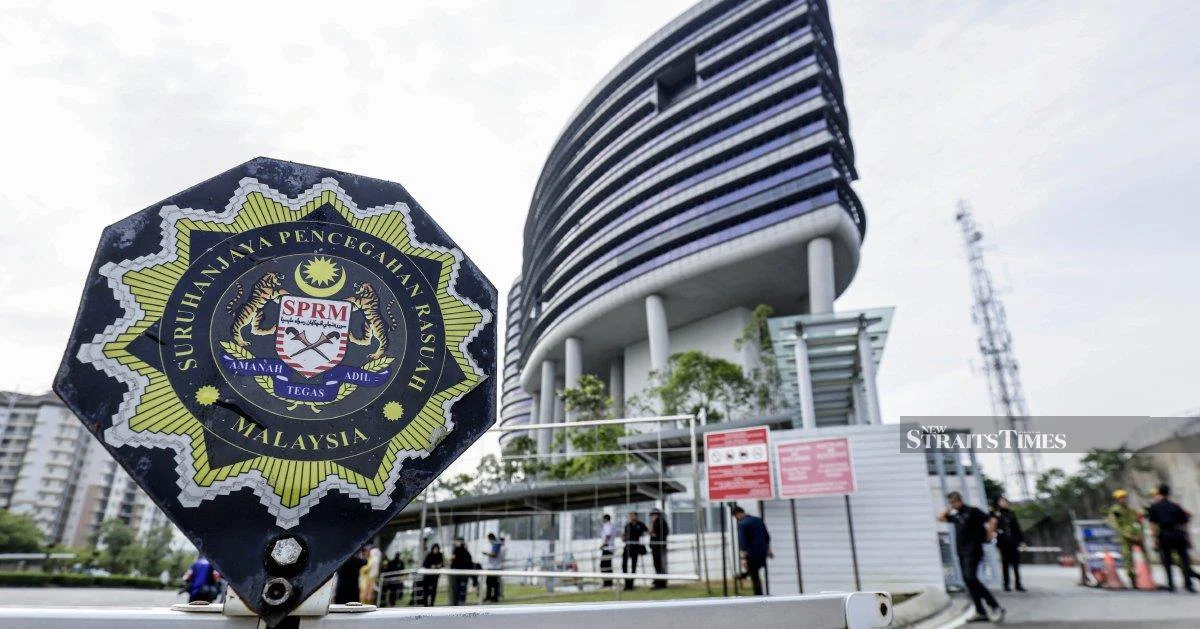
The Malaysian Anti-Corruption Commission (MACC) is expanding its investigation into the Daya Kerjaya 2.0 employment incentive programme to encompass systemic governance failures, as authorities work to uncover the full scope of alleged fraudulent activities worth RM9 million. The decision to examine underlying structural and procedural deficiencies represents a significant shift toward identifying not just individual wrongdoing but also institutional vulnerabilities that may have enabled the misconduct to occur unchecked.
Daya Kerjaya 2.0, a government-backed initiative designed to incentivise businesses to hire workers, has become the subject of intense scrutiny following discoveries of inflated and fabricated claims. The scheme forms part of Malaysia's broader employment support framework, intended to provide financial assistance to qualifying employers who meet specific hiring criteria. However, the emergence of fraudulent submissions suggests that the programme's administrative controls may have been inadequate to prevent systematic abuse.
The investigation is specifically targeting gaps in how the scheme verifies applicant eligibility, authenticates supporting documentation, and monitors ongoing compliance. MACC officials are examining whether sufficient checks existed at multiple approval stages, and whether oversight mechanisms were sufficiently robust to detect anomalies in submitted claims. Such weaknesses could have allowed perpetrators to repeatedly submit false information without triggering automated alerts or manual interventions.
For Malaysia's employment sector, the implications are considerable. Daya Kerjaya 2.0 has been positioned as a key tool for supporting job creation and business expansion during economic recovery periods. If governance flaws permitted fraudsters to divert funds intended for legitimate hiring incentives, the scheme's credibility and future effectiveness could be undermined. Businesses operating honestly within the programme may face reputational damage by association, and policymakers may need to introduce stricter safeguards that could inadvertently increase application burdens for compliant organisations.
The RM9 million figure represents a substantial portion of allocated resources, highlighting the scale of the exploitation. While the exact number of fraudulent claims remains undisclosed, the quantum suggests either widespread low-level fraud across many submissions or concentrated high-value false claims. Either scenario points to systemic failure in verification protocols that the MACC investigation will need to document comprehensively.
Regional observers are watching Malaysia's handling of this case with interest, as employment incentive schemes are common across Southeast Asia. Thailand, Indonesia, and the Philippines operate similar programmes designed to boost labour market participation and business investment. Any failures identified in Malaysia's Daya Kerjaya 2.0 administration could offer cautionary lessons for neighbouring governments seeking to design resilient employment support mechanisms resistant to fraudulent manipulation.
The governance review will likely examine the roles of multiple stakeholders, including the government ministry responsible for programme administration, the implementing agencies processing applications, and the financial institutions managing fund disbursements. MACC will assess whether adequate separation of duties existed between those approving claims and those verifying supporting evidence, whether supervisory oversight was performed at appropriate intervals, and whether whistleblower mechanisms existed for employees to report suspicious submissions.
Digitalisation standards are expected to feature prominently in the inquiry. Modern employment incentive schemes increasingly rely on integrated digital platforms to cross-reference applicant data with tax records, employment registers, and other government databases. If Daya Kerjaya 2.0's systems operated in isolation without automated consistency checks or data-matching capabilities, this technical deficiency could have directly enabled fraudsters to submit contradictory information undetected.
The broader political dimension should not be overlooked. Employment programmes are politically sensitive, as they directly affect job creation narratives and economic performance metrics. The discovery of significant fraud could invite criticism that oversight bodies failed in their monitoring responsibilities, or that political pressure to disburse funds quickly compromised due diligence. The MACC's willingness to examine governance structures systematically suggests the commission is intent on conducting a thorough, credible investigation that addresses root causes rather than merely identifying culpable individuals.
Looking ahead, the investigation's findings will likely inform recommendations for structural reform across similar government schemes. These could include mandatory biometric verification, real-time data integration with tax and employment authorities, enhanced staff training on fraud detection, increased internal audit frequency, and whistleblower incentive programmes. Malaysia's experience with Daya Kerjaya 2.0 may ultimately strengthen governance standards not only for employment incentives but for public benefit programmes generally.
The MACC investigation also underscores the importance of institutional resilience in public administration. Even well-intentioned programmes with clear objectives can become vulnerable to exploitation if procedural safeguards are not continuously evaluated and strengthened. As Malaysia pursues economic recovery and job creation, ensuring that support mechanisms are both accessible and protected against fraud will be critical to maintaining public trust in government initiatives and demonstrating effective stewardship of taxpayer resources.