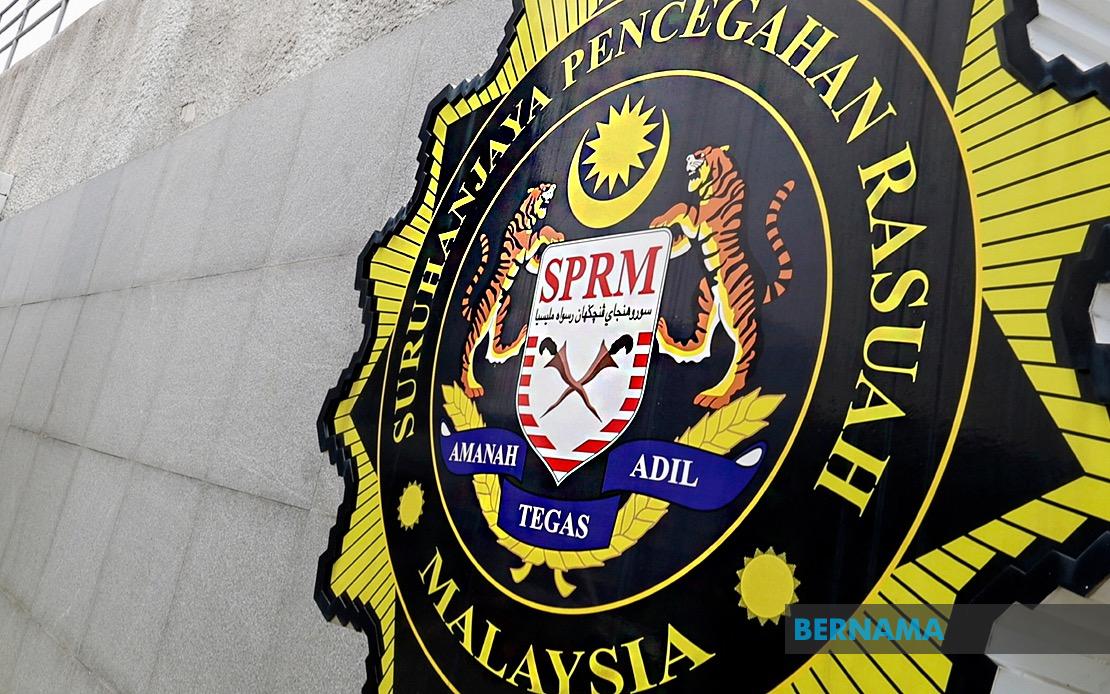
The Malaysian Anti-Corruption Commission will establish a network of five operations rooms throughout Johor to facilitate public reporting of corruption and misconduct during the forthcoming state election, which culminates with polling day on July 11. These dedicated centres represent part of the MACC's broader effort to maintain electoral integrity and provide accessible channels for citizens to voice concerns about illegal activities throughout the campaign period.
The operations rooms will commence operations on nomination day, June 27, and remain active continuously until voting concludes on July 11, operating on a round-the-clock basis to accommodate reports from the public at any hour. This 24-hour availability underscores the commission's commitment to ensuring that no credible allegation goes unheeded due to timing constraints or accessibility issues.
Geographically, the five locations have been strategically distributed across the state to maximise coverage and convenience. The primary operations room will function at the MACC Johor headquarters in Tampoi, while satellite offices will be established at the MACC branch offices serving Batu Pahat, Kluang, Segamat, and Mersing. This dispersal across both urban and more remote districts reflects recognition that corruption concerns may arise anywhere within the state, and citizens should not face logistical barriers when reporting suspected wrongdoing.
Beyond physical locations, the MACC has established a dedicated email address to complement its on-site complaint mechanism, allowing individuals who prefer digital channels to submit information confidentially. The email [email protected] provides an additional avenue for members of the public to communicate with investigators without necessarily visiting an operations room in person, thus removing geographical constraints entirely.
The commission has provided assurances that all information submitted through either channel will receive professional and thorough investigation conducted in full transparency and strict adherence to applicable legislation. This commitment to proper procedure is critical for maintaining public confidence in the electoral process, particularly given Malaysia's experience with high-profile corruption cases in recent years that have tested institutional credibility.
The establishment of these operations rooms reflects broader institutional concerns about maintaining electoral standards during competitive campaigns. Elections create environments where the temptation to engage in corrupt practices or abuse of authority can intensify as candidates seek electoral advantage, making vigilant oversight essential. By creating visible, accessible mechanisms for reporting wrongdoing, the MACC signals both to the public and to political actors that misconduct will not be tolerated.
In its formal statement, the MACC reminded all candidates and political parties contesting the election to maintain strict compliance with electoral laws and regulations. Specific emphasis was placed on provisions contained in the MACC Act 2009 and the Election Offences Act 1954 (Amendment 2012), which establish the legal framework within which campaigning must occur. This proactive communication serves as both a warning and an opportunity for political actors to align their conduct with legal requirements before violations occur.
The timing of these preparations reflects the election schedule established by the Election Commission, which designated June 27 as nomination day, scheduled early voting for July 7, and set July 11 as polling day. This calendar provides the MACC with approximately two weeks of intensive monitoring during the critical campaign period when electoral violations are most likely to emerge.
For Malaysian voters and observers, the presence of these dedicated operations rooms carries broader significance beyond this particular election. It demonstrates institutional mechanisms designed to protect democratic processes from corruption and abuse of power, concerns that resonate across Southeast Asia where electoral integrity remains contested terrain. Whether voters utilise these facilities will provide a barometer of public confidence in both the MACC's independence and its capacity to investigate political actors effectively.
The multi-channel reporting approach—combining physical locations, email submission, and implicit encouragement for anonymous tips—recognises that different individuals possess varying comfort levels and capabilities when reporting suspected violations. Some may fear encountering political opponents at public facilities, others may lack internet access, and still others may prefer the formality of in-person interaction. Accommodating these preferences broadens the potential for capturing information about genuine violations that might otherwise remain hidden.
Electoral officials and anti-corruption bodies across Southeast Asia have increasingly recognised that transparency in monitoring mechanisms themselves builds public confidence in electoral outcomes. By publicly announcing where and how citizens can report problems, the MACC has made the oversight process itself visible and accessible, potentially deterring would-be violators who understand their actions will be subject to investigation.

