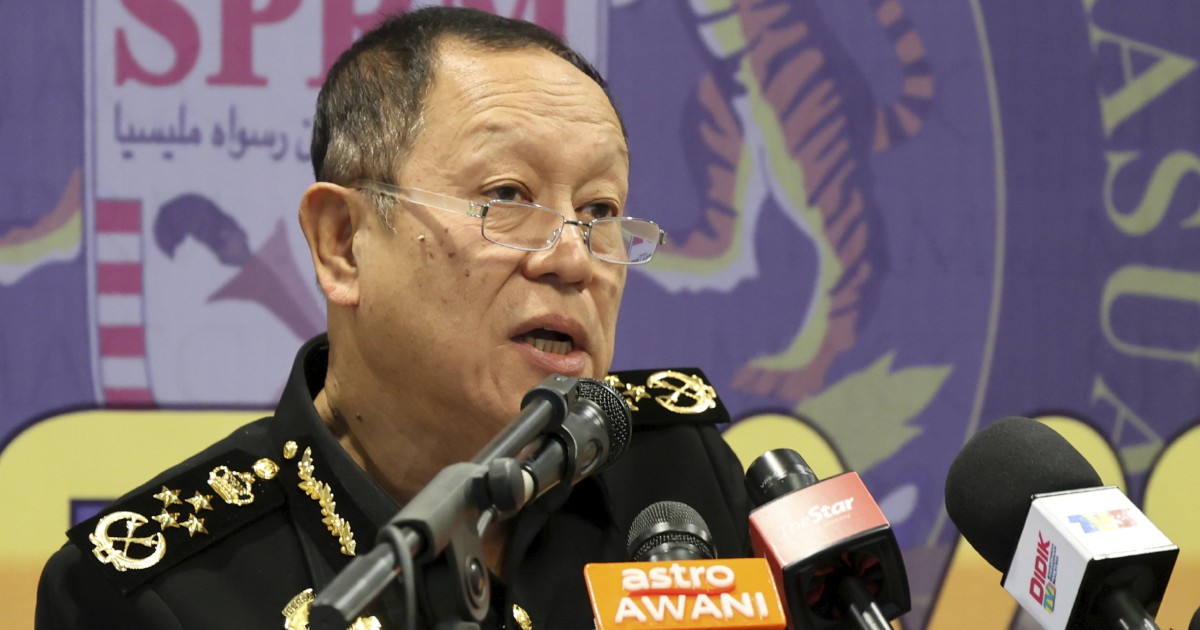
The Malaysian Anti-Corruption Commission has signalled it will significantly broaden its investigative net in a fresh angle on the 1MDB scandal, setting its sights on a luxury property transaction in the United States that officials suspect may have been funded through the embezzled state investment fund. Among those expected to provide statements to the MACC are several individuals with close connections to the affair, notably including the wife of a former Malaysian prime minister, underscoring how deeply the financial scandal continues to touch the highest echelons of the nation's political establishment.
This development marks another chapter in the sprawling 1MDB investigation, which has already resulted in criminal charges against senior political figures, officials, and associates since authorities began intensifying their scrutiny in 2018. The apparent shift toward examining property acquisitions abroad suggests investigators are pursuing parallel tracks to uncover how funds allegedly misappropriated from the sovereign wealth fund may have been laundered or deployed to acquire assets outside Malaysia. The focus on American real estate particularly highlights the cross-border dimension of financial crimes that investigators have grappled with throughout this complex case.
The connection between 1MDB and foreign real estate holdings has long been a concern for law enforcement agencies. Previous international investigations, including those by authorities in the United States, have documented how individuals associated with the fund used illicit proceeds to acquire high-value properties across major global financial centres. The United States, in particular, has proven to be a destination of choice for such acquisitions, partly because of the opacity that can surround certain property transactions and the relative ease with which funds can be channelled through corporate entities and intermediaries.
The decision to involve the former prime minister's wife in questioning reflects the MACC's approach to examining all potential connections to the scandal, regardless of the social or political status of those involved. Her role in any transactions or decision-making processes related to the property would likely be central to understanding how the acquisition was structured and financed. The involvement of family members in such matters is not uncommon in complex financial crime investigations, as spouses or relatives may have served as nominal owners or holders of accounts and assets.
The 1MDB scandal has had profound implications for Malaysia's international reputation and domestic political landscape. Since it surfaced, the case has resulted in convictions of major figures and has prompted extensive reforms in governance and financial oversight. However, investigators have indicated that significant threads in the investigation remain to be fully explored, suggesting that more charges and inquiries could be forthcoming. The examination of foreign property acquisitions represents one such thread that authorities are committed to pursuing.
For Malaysian readers, this development signals that the accountability process surrounding 1MDB remains active and comprehensive. The MACC's willingness to question individuals at all levels, including those with high-profile political connections, demonstrates the agency's independence and resolve. At the same time, the slow pace at which various aspects of the case continue to unfold illustrates the complexity of pursuing transnational financial crimes and the challenges inherent in recovering assets or determining criminal liability when transactions cross multiple jurisdictions.
The involvement of international assets in the 1MDB case also underscores a broader concern for Southeast Asian economies: the vulnerability of the region's financial systems to large-scale fraud and the ease with which corrupt officials or their associates can move illicit wealth across borders. Malaysia's experience with 1MDB has provided valuable lessons about the importance of robust financial controls, transparency in major transactions, and international cooperation in combating organised financial crime.
Authorities in the United States have their own interest in clarifying the origins and ownership of assets acquired with potentially stolen Malaysian funds. American law enforcement agencies have cooperated extensively with Malaysian counterparts in the 1MDB investigation, and the property in question may fall within the scope of assets that could be subject to civil forfeiture or other legal remedies under US law. This international dimension adds another layer of complexity to the MACC's inquiry, as investigators must coordinate findings and evidence with foreign authorities.
The questioning of these individuals by the MACC is likely to yield important information about the chain of transactions and the identities of intermediaries involved in facilitating the property purchase. Such inquiries often reveal how sophisticated schemes to disguise the true ownership and origin of illicit funds typically operate, involving layers of corporate entities, trust arrangements, and international transfers designed to obscure connections to their illicit source. Understanding these mechanisms is crucial not only for this specific case but for enhancing Malaysia's capacity to detect and prevent similar schemes in the future.
Governance experts and financial crime specialists have noted that cases like 1MDB highlight the importance of maintaining strong investigative institutions and ensuring their independence from political interference. The MACC's continued pursuit of various angles in the scandal, including the examination of foreign property acquisitions, reflects an institutional commitment to thoroughness. The agency's willingness to call in high-profile figures for questioning, regardless of their connections, reinforces public confidence in the investigative process, though questions remain about whether all culpable parties will ultimately face proportionate consequences.
As the MACC proceeds with its inquiry into the luxury property transaction, observers will be watching closely to see what statements are provided by those questioned and what additional evidence emerges. The case continues to serve as a cautionary tale for other developing economies about the risks of inadequate oversight in sovereign wealth fund management and the need for vigilance against high-level financial crimes. For Malaysia specifically, the ongoing investigation represents an opportunity to demonstrate that accountability can be pursued systematically and that no individual, regardless of status, is beyond the reach of the law.

