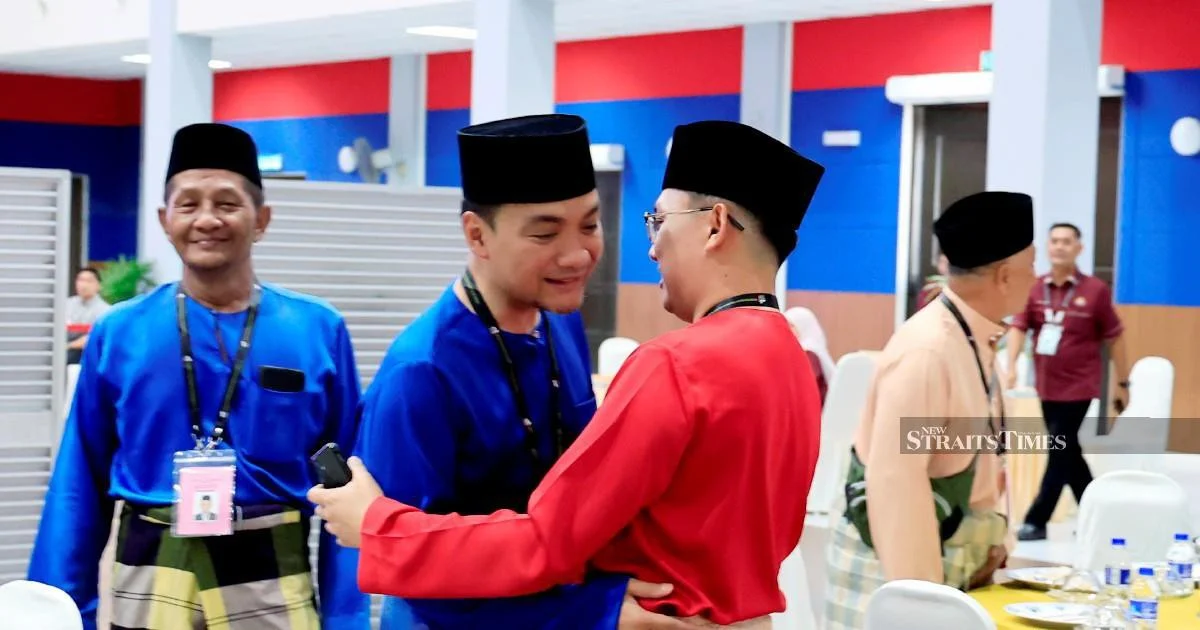
Datuk Onn Hafiz Ghazi, who has served as Johor's caretaker Menteri Besar, will contest the Machap state seat in a straight fight that pits Barisan Nasional directly against Pakatan Harapan. The confirmation of a two-candidate race eliminates the prospect of a three-cornered contest, simplifying the electoral landscape in this strategically important Johor constituency.
The Machap seat has emerged as a focal point in the state election campaign, reflecting broader struggles between the two major political coalitions for dominance in Malaysia's southernmost peninsula state. Onn Hafiz's decision to contest from his constituency underscores the personal stakes involved, as his political future and continued leadership position hinge significantly on his performance at the ballot box. The straight contest format means that voter preferences will not be fractionalised across multiple candidates, potentially amplifying the significance of the individual contest and the broader coalitional dynamics it represents.
PH has fielded Nur Hafiz as its challenger in Machap, positioning the race as a test of both candidates' local appeal and their ability to mobilise supporters. The choice of candidate by PH reflects calculations about which personalities and political profiles resonate most effectively with Machap voters. This constituency election will serve as a microcosm of the larger ideological and policy differences separating BN and PH as they compete for voter confidence and the mandate to govern Johor over the coming term.
Johor's electoral landscape has experienced considerable fluidity in recent years, with political fortunes shifting between coalitions. The state election represents an opportunity for both BN and PH to consolidate or expand their respective positions. Machap, as a seat where the caretaker Menteri Besar personally stands, carries symbolic weight beyond its single legislative seat. A strong performance by Onn Hafiz would strengthen his claim to lead Johor, while a loss could fundamentally alter the political calculus in the state.
The straight contest format also reflects prudent electoral strategy by both coalitions. Neither BN nor PH anticipated entering into multi-cornered contests at Machap, suggesting confidence that their respective candidates could prevail in direct head-to-head competition. The absence of third-party challengers may indicate that smaller parties or independent candidates determined that the seat was unwinnable or chose to contest elsewhere in Johor. This consolidation around two major candidates reflects the maturation of Malaysia's electoral system, where most contests increasingly feature contests between the principal coalitions rather than fragmented multi-way races.
For Malaysian voters and political observers, the Machap contest encapsulates broader questions about governance, economic management, and social priorities that distinguish BN and PH platforms. The election will provide insight into whether Johor voters prioritise continuity under BN stewardship or prefer the reform agenda articulated by PH. Regional analysts will closely monitor the outcome as an indicator of sentiment across the wider state and its implications for future national politics, given Johor's significance as Malaysia's second-largest state by population and its economic importance to the nation.
Onn Hafiz's tenure as caretaker Menteri Besar has provided him with a platform to advance his political agenda and demonstrate administrative capability. The straight contest allows him to present his performance record directly to Machap constituents without the complication of vote-splitting among multiple BN candidates. His campaign will likely emphasise development projects, economic growth, and government service delivery as evidence of BN's competence to continue leading Johor.
The PH campaign, by contrast, will probably focus on the need for change, reform imperatives, and alternative policy directions. Nur Hafiz, as the PH standard-bearer in Machap, carries the responsibility of translating coalition-wide messaging into locally resonant arguments that appeal to Machap voters' immediate concerns and aspirations. The campaign will test which narrative proves more persuasive to constituents deciding between established governance and reform-oriented alternatives.
The election timeline and campaign period will provide opportunities for both candidates to engage directly with voters through rallies, neighbourhood visits, and media appearances. Machap voters will scrutinise the policy proposals, track records, and personal qualities of both Onn Hafiz and Nur Hafiz as they make their electoral choices. The straight contest format ensures that voters cannot deploy split votes or hedging strategies; they must choose definitively between the two primary options presented.
For Johor as a whole, the results across all constituencies will determine whether BN retains its longstanding dominance or whether PH succeeds in dislodging it. Machap, with its straight contest between the caretaker Menteri Besar and a PH challenger, will occupy central importance in this larger narrative. Victory for Onn Hafiz would affirm BN's continued strength, while a PH triumph would signal significant political realignment in the state and potentially influence subsequent national political calculations.

