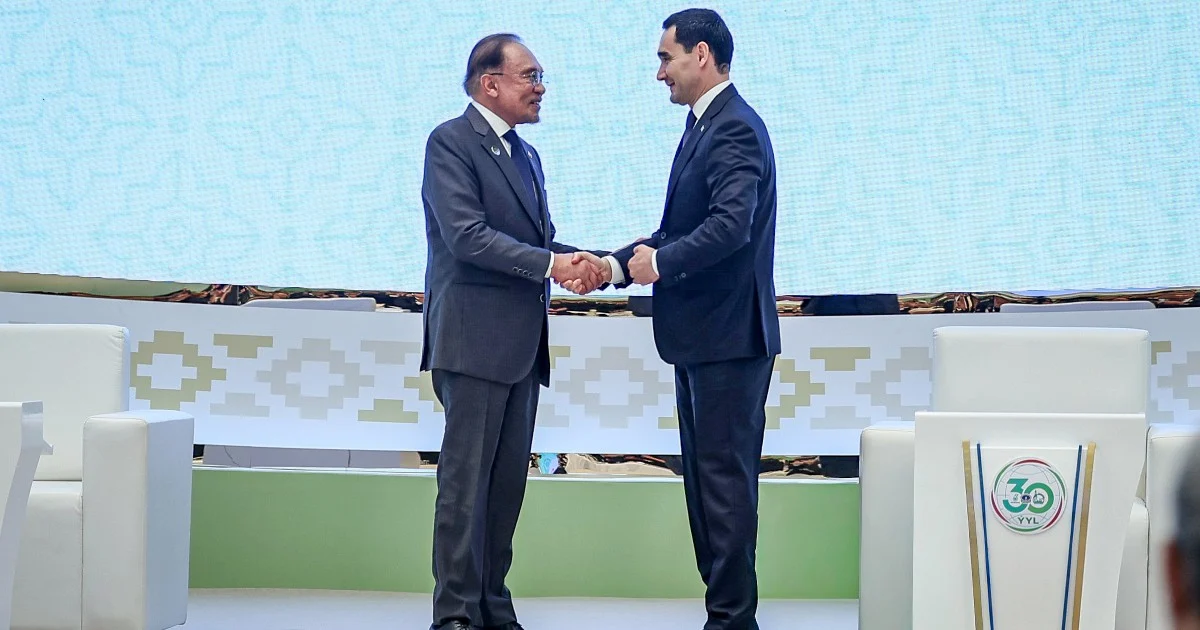
Malaysia and Turkmenistan have formalised commitments to broaden their partnership across multiple strategic sectors, marking a significant development in their bilateral relations following Prime Minister Datuk Seri Anwar Ibrahim's official state visit to the Central Asian nation. The overarching agreement underscores both countries' desire to move beyond their traditional energy-focused relationship and establish a more comprehensive economic partnership that addresses shared priorities in an increasingly interconnected regional landscape.
The energy sector remains the cornerstone of the newly deepened cooperation framework, given Turkmenistan's position as a major energy exporter and Malaysia's consistent need for reliable energy sources to fuel its growing economy. Turkmenistan, which possesses some of the world's largest natural gas reserves, represents an important strategic partner for Malaysia as the country navigates global energy transitions and seeks to diversify its supply chains. The strengthened commitment in this domain reflects both nations' recognition that energy security remains central to economic stability and sustained development, particularly as Southeast Asia grapples with evolving climate considerations and shifting geopolitical dynamics affecting traditional energy partnerships.
Beyond hydrocarbons, the bilateral agenda encompasses trade and investment promotion, signalling Malaysia's broader strategy to engage more deeply with Central Asian economies. This expansion reflects Kuala Lumpur's understanding that regional connectivity and diversified economic relationships create resilience against external shocks. Malaysian businesses stand to gain opportunities in a market of 6 million people with growing consumer demand, while Turkmenistan may access Malaysia's established networks throughout Southeast Asia and beyond.
Transportation and logistics cooperation carries particular significance given geographical considerations and the broader Belt and Road connectivity narrative shaping Asia's development architecture. Improved transportation links between Malaysia and Turkmenistan could facilitate smoother trade flows, reduce transaction costs for businesses operating between the regions, and position both countries as nodes in transcontinental supply chains. Enhanced connectivity also creates opportunities for Malaysian companies in port operations, shipping, and logistics services.
The educational dimension of the expanded partnership addresses long-term capacity building and cultural exchange. Malaysian universities increasingly attract students from Central Asian nations, and deeper educational cooperation could accelerate knowledge transfer while building a generation of professionals with familial and professional ties spanning both regions. This people-to-people dimension strengthens diplomatic foundations and creates networks that endure beyond immediate political cycles.
Technology cooperation between Malaysia and Turkmenistan opens possibilities in digital transformation, telecommunications infrastructure, and specialised technical expertise. Malaysia's advanced technological sector and established experience in technology-driven economic development could benefit Turkmenistan's modernisation efforts. Conversely, Turkmenistan's resource wealth and strategic location present opportunities for Malaysian tech companies seeking to establish Central Asian footholds.
Prime Minister Datuk Seri Anwar Ibrahim's personal visit carries symbolic weight, demonstrating Malaysia's commitment to elevating relationships with non-traditional partners. While Malaysia maintains established partnerships with Middle Eastern and Southeast Asian oil and gas producers, the conscious deepening of ties with Turkmenistan signals strategic diversification and recognition of emerging opportunities in Central Asia, a region historically less integrated into Malaysia's foreign economic policy but increasingly relevant as global supply chains reorganise.
For Malaysian investors, the timing of this cooperation enhancement aligns with broader regional trends. Central Asian nations are investing heavily in economic diversification and infrastructure development, creating openings for foreign partnership. Malaysian companies operating in petrochemicals, engineering, construction, and services could identify valuable niches in Turkmenistan's development agenda, particularly if bilateral agreements facilitate smoother market entry and reduce institutional barriers.
The comprehensive nature of the expanded cooperation framework reflects contemporary best practices in bilateral engagement, moving away from transactional single-sector relationships toward integrated partnerships addressing multiple dimensions of national development. This holistic approach reduces vulnerabilities inherent in narrow economic relationships and creates multiple avenues for mutual benefit, making the partnership more resilient to market fluctuations in any single sector.
For Southeast Asia's broader strategic positioning, Malaysia's initiative demonstrates the region's outward engagement approach. Rather than viewing Central Asia as distant, Malaysian policymakers recognise shared interests in connectivity, energy security, and economic growth. As regional powers increasingly compete for influence across Asia, Malaysia's pragmatic engagement with diverse partners, including those in Central Asia, reinforces its reputation as a connector between regions and an advocate for inclusive multilateralism.
Looking forward, the success of these expanded agreements depends substantially on implementation. Businesses in both countries require transparent regulatory frameworks, accessible financing mechanisms, and reliable dispute resolution processes to translate diplomatic commitments into tangible commercial activity. Regular high-level exchanges and working-group meetings will determine whether these agreements generate meaningful economic outcomes or remain primarily symbolic gestures.

