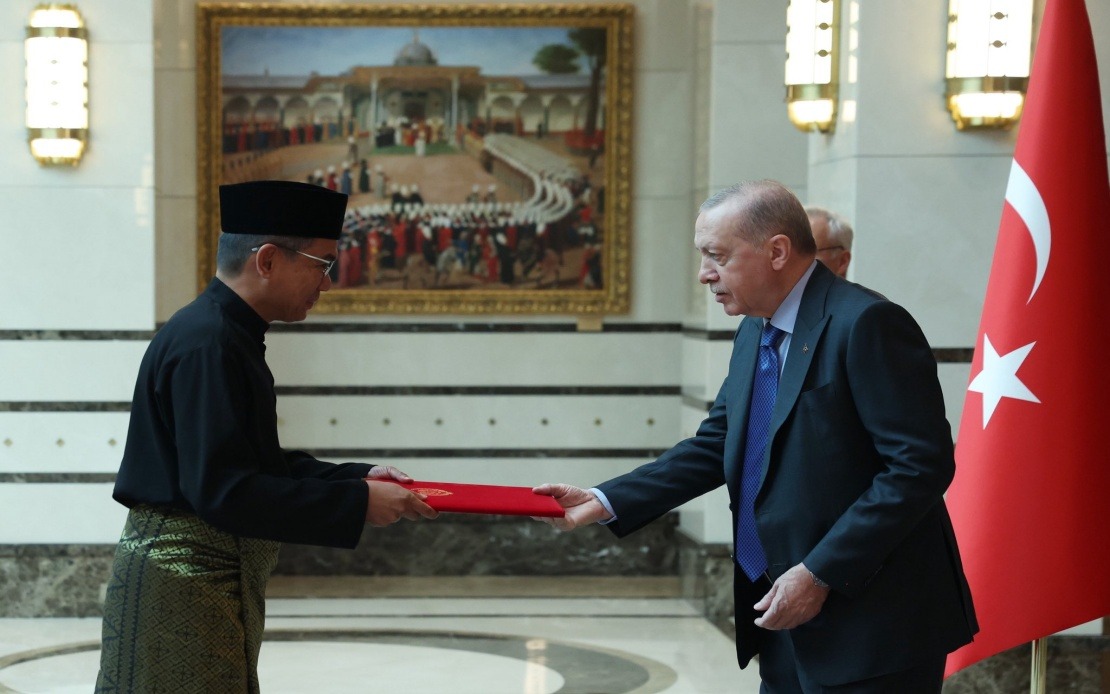
Malaysia has thrown its weight behind Türkiye's campaign to secure ASEAN Dialogue Partner status, signalling broadening diplomatic ties between the Muslim-majority nations. The endorsement came during a formal diplomatic ceremony in Ankara when newly appointed Malaysian Ambassador to Türkiye, Adlan Mohd Shaffieq, presented his credentials to Turkish President Recep Tayyip Erdoğan at the Presidential Complex on June 17.
The timing of this declaration reflects Malaysia's strategic calculation that Türkiye has evolved into a consequential player in Southeast Asian affairs. Ambassador Shaffieq's statement emphasised that Ankara has demonstrated growing relevance through its expanding economic footprint, strategic positioning, and deepening cultural connections with member states across the Association of Southeast Asian Nations. This recognition goes beyond ceremonial courtesy—it acknowledges a tangible shift in Türkiye's engagement with the region.
The ambassador used the credentialling ceremony as a platform to convey personal greetings from Sultan Ibrahim, King of Malaysia, and Prime Minister Datuk Seri Anwar Ibrahim to Erdoğan, underscoring the high-level political attention both nations place on their relationship. Such gestures, while customary in diplomatic protocol, underscore the significance Malaysia attaches to strengthening ties with Ankara at a moment when regional powers are recalibrating their international partnerships.
Malaysia-Türkiye relations extend well beyond ceremonial exchanges. The two countries have cultivated a multifaceted partnership that spans education, defence cooperation, and the halal industry—sectors where both nations possess complementary strengths and shared interests. Malaysia's thriving halal certification and food production ecosystem aligns naturally with Türkiye's aspiration to expand its presence in global halal markets, while defence collaboration reflects mutual security concerns in their respective regions.
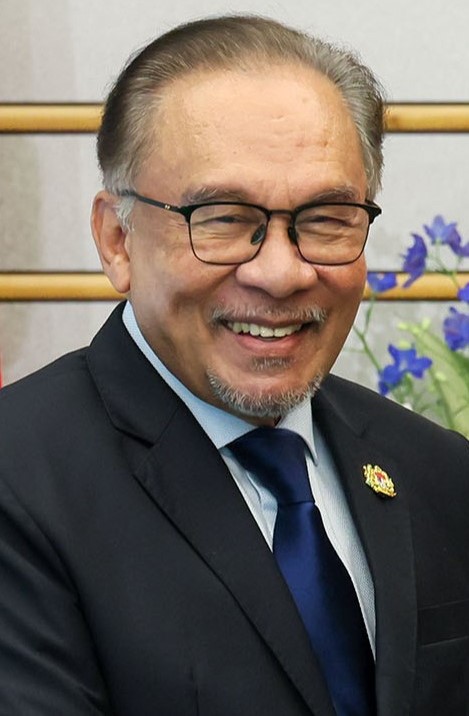
The ambassador specifically highlighted the personal rapport between President Erdoğan and Prime Minister Anwar Ibrahim as a catalyst for deeper integration. Their shared vision appears to transcend traditional bilateral mechanics, instead creating momentum for collaboration that could reshape Malaysia's strategic partnerships in the coming years. This interpersonal dimension proves crucial in Southeast Asian diplomacy, where personal relationships between leaders frequently determine the trajectory of state-to-state engagement.
Erdoğan's response demonstrated reciprocal enthusiasm, with the Turkish president expressing confidence that bilateral trade relations would flourish and achieve an ambitious US$10 billion target. This figure represents a substantial aspiration, particularly given current global economic uncertainties and the need to diversify supply chains away from traditional partners. Achieving this benchmark would require concerted effort from both governments to remove tariff barriers, streamline customs procedures, and encourage private sector engagement.
Türkiye's pursuit of ASEAN Dialogue Partner status reflects a broader geopolitical recalibration. As traditional powers reconsider their regional commitments and Indo-Pacific strategies evolve, Southeast Asian nations have become increasingly attractive to middle powers seeking to expand their influence. Türkiye's interest in formal ASEAN engagement signals its recognition that economic and strategic relevance in this region carries disproportionate weight in global affairs.
For Malaysia specifically, backing Türkiye's application carries multiple strategic dividends. It positions Kuala Lumpur as a bridge between Ankara and Southeast Asia, potentially enhancing Malaysia's role as an influential voice within ASEAN forums. Additionally, supporting a fellow Muslim-majority nation's aspirations resonates with Malaysia's own emphasis on Islamic cooperation and development, particularly through platforms like the Organisation of Islamic Cooperation.
The halal industry dimension deserves particular attention for Malaysian stakeholders. Türkiye possesses significant manufacturing and export capacity that could complement Malaysia's position as the world's leading halal hub. Deeper cooperation could see Turkish producers obtaining Malaysian halal certification, creating value-added export opportunities for both nations and strengthening the region's competitive position in global halal markets worth hundreds of billions of dollars annually.
From a Southeast Asian perspective, Türkiye's potential elevation to Dialogue Partner status would diversify the region's external partnerships and create additional channels for engagement with a NATO member and regional power that bridges Europe, Asia, and the Middle East. This geographic positioning offers ASEAN unique opportunities for economic and strategic engagement that transcend traditional bilateral relationships.
The defence cooperation aspect also warrants scrutiny, as Malaysia and other Southeast Asian nations face evolving security challenges ranging from maritime disputes to counterterrorism operations. Türkiye's military technological prowess and defence industry experience could provide valuable knowledge transfer and equipment options for regional armed forces seeking alternatives to traditional suppliers.