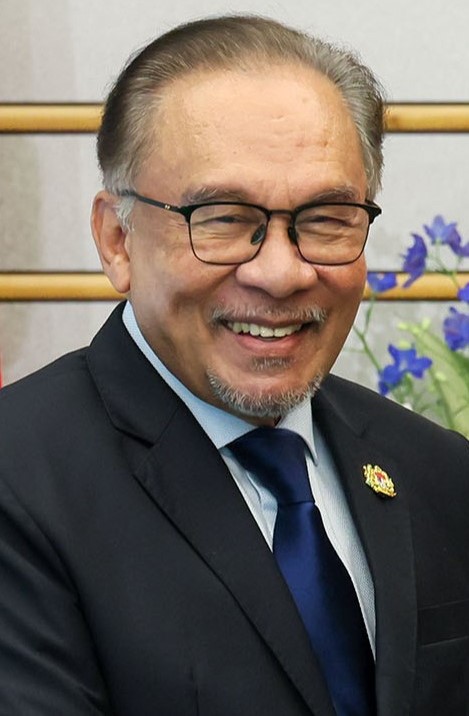
Prime Minister Datuk Seri Anwar Ibrahim has publicly endorsed an emerging agreement between the United States and Iran aimed at de-escalating longstanding tensions between the two nations. In a statement released via Facebook, Anwar signalled Malaysia's strong support for the diplomatic breakthrough, which comes as both countries prepare to formalize their understanding through a memorandum of understanding in the immediate days ahead. The Malaysian leader's swift and vocal endorsement reflects the country's broader commitment to multilateral dialogue and peaceful resolution of international disputes, positioning Malaysia as a constructive voice in regional and global affairs.
Anwar specifically acknowledged the instrumental role played by Pakistan in facilitating the negotiations that led to this development. Such recognition underscores Malaysia's appreciation for third-party mediation in intractable conflicts and highlights how nations can leverage diplomatic channels to bridge seemingly insurmountable divides. Pakistan's involvement as a mediator demonstrates the interconnectedness of South and Southeast Asian security concerns and the shared interest these regions hold in preventing escalation in strategically vital areas.
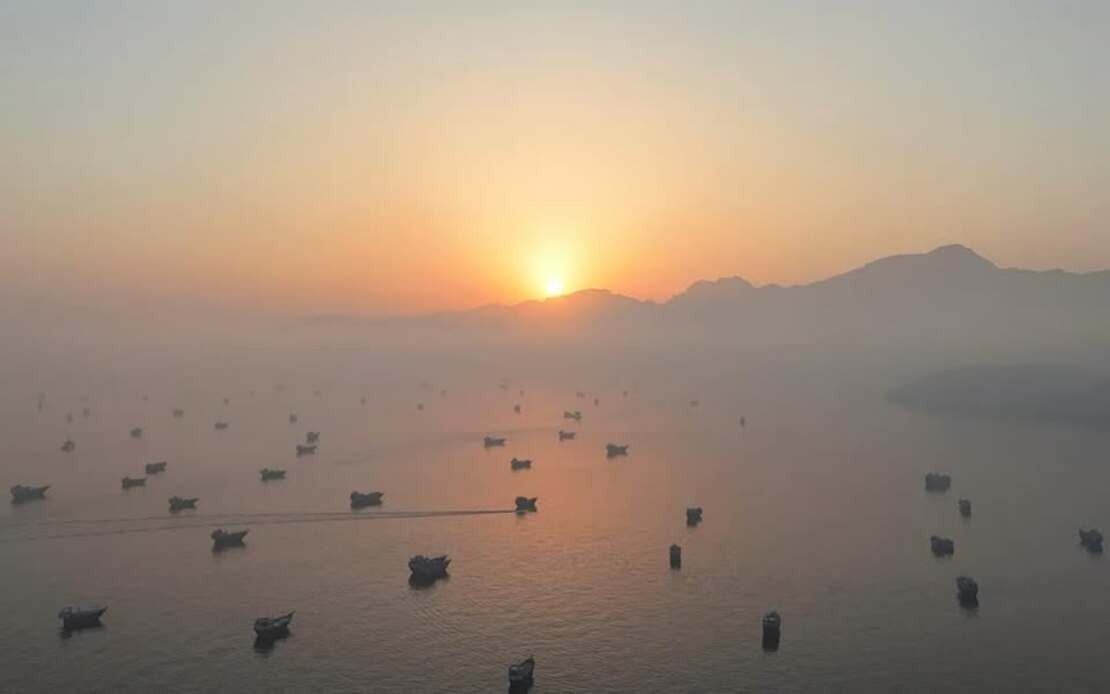
Central to Malaysia's interest in this agreement is the immediate reopening of the Strait of Hormuz to unrestricted international shipping. Anwar characterized this waterway as a critical artery for global energy security and international trade, emphasizing that its continued closure would harm not only regional economies but the entire world. Through this key chokepoint, roughly one-third of global maritime petroleum trade passes annually, making any disruption to navigation patterns a matter of profound concern for energy-dependent nations across Asia and beyond.
For Malaysia specifically, the Strait of Hormuz's operational status carries direct implications. As a major trading nation and energy importer, Malaysia depends heavily on stable, uninterrupted access to Middle Eastern oil and liquefied natural gas supplies. Prolonged restrictions on shipping through this passage would drive up energy costs domestically and globally, straining already fragile post-pandemic economic recoveries and diverting crucial resources away from productive investments in development and infrastructure. Anwar's framing of reopening the strait as an urgent priority reflects these tangible economic interests.
The Prime Minister called on all parties involved in the emerging settlement to proceed with good faith negotiations and to avoid unnecessary delays in translating the understanding into a formal, durable peace settlement. This language suggests Malaysia recognizes the fragility of preliminary agreements and the need for swift institutionalization to prevent backsliding or renewed tensions. His emphasis on concrete action rather than mere symbolic gestures indicates an understanding that peace agreements require momentum and follow-through to succeed.
Anwar further cautioned all parties, including external actors with interests in the Middle East, to refrain from actions that could undermine the diplomatic process or rekindle hostilities. This appeal to restraint serves multiple purposes: it signals Malaysia's preference for de-escalation while implicitly warning against third-party interference that could spoil negotiations. In the context of broader geopolitical rivalry in the Middle East, such calls for non-interference carry weight, particularly coming from a Muslim-majority Southeast Asian nation that maintains diplomatic relations across ideological and sectarian divides.
The Malaysian government's commitment to supporting peace efforts extends beyond rhetoric. Anwar stated that Malaysia stands prepared to contribute to international efforts aimed at achieving a just and lasting resolution, demonstrating willingness to participate in any multilateral frameworks or mechanisms that might emerge to monitor or facilitate implementation of the agreement. This positions Malaysia as a potential neutral player in Middle Eastern diplomacy, leveraging its credibility as a non-aligned voice in global affairs.
The timing of these developments follows US President Donald Trump's announcement that the agreement with Iran had been finalized. Trump authorized the reopening of the Strait of Hormuz and ordered the lifting of a US naval blockade that had effectively choked maritime traffic through the region. This significant reversal of previous policies marks a dramatic shift in American Middle East strategy and creates an opening for broader regional reconciliation.
For Southeast Asia and the Indo-Pacific more broadly, a reduction in US-Iran tensions carries strategic implications. Lower tensions in the Middle East reduce the likelihood of regional proxy conflicts that might draw in great powers, destabilize energy markets, or create humanitarian crises forcing mass migration. Stability in this critical region allows Southeast Asian nations to focus on their own development priorities and regional integration efforts, including deepening ASEAN cooperation and managing great power competition in the Indo-Pacific.
Malaysia's response also reflects the country's broader foreign policy orientation toward maintaining equidistance from competing global powers while advancing its own national interests. By welcoming the US-Iran understanding without appearing to favor either power, Anwar preserves Malaysia's diplomatic flexibility while demonstrating commitment to international peace and stability. This balanced approach has long characterized Malaysian diplomacy and remains particularly valuable in an era of intensifying strategic competition.
The reopening of the Strait of Hormuz, should it proceed, would deliver immediate relief to global supply chains and energy markets. For developing economies like Malaysia, such relief translates into lower input costs, improved competitiveness in manufacturing sectors, and greater predictability for long-term economic planning. Energy security, in particular, remains fundamental to Malaysia's continued development trajectory and industrial competitiveness in Southeast Asia.
Moving forward, the success of any US-Iran settlement will depend on rigorous implementation and sustained commitment from all parties. Malaysia's willingness to engage with international monitoring mechanisms or confidence-building measures could contribute to verification efforts, should the emerging agreement include such provisions. The international community's collective support for this diplomatic initiative, as Anwar emphasized, will likely prove essential to its durability and effectiveness in preventing future crises.