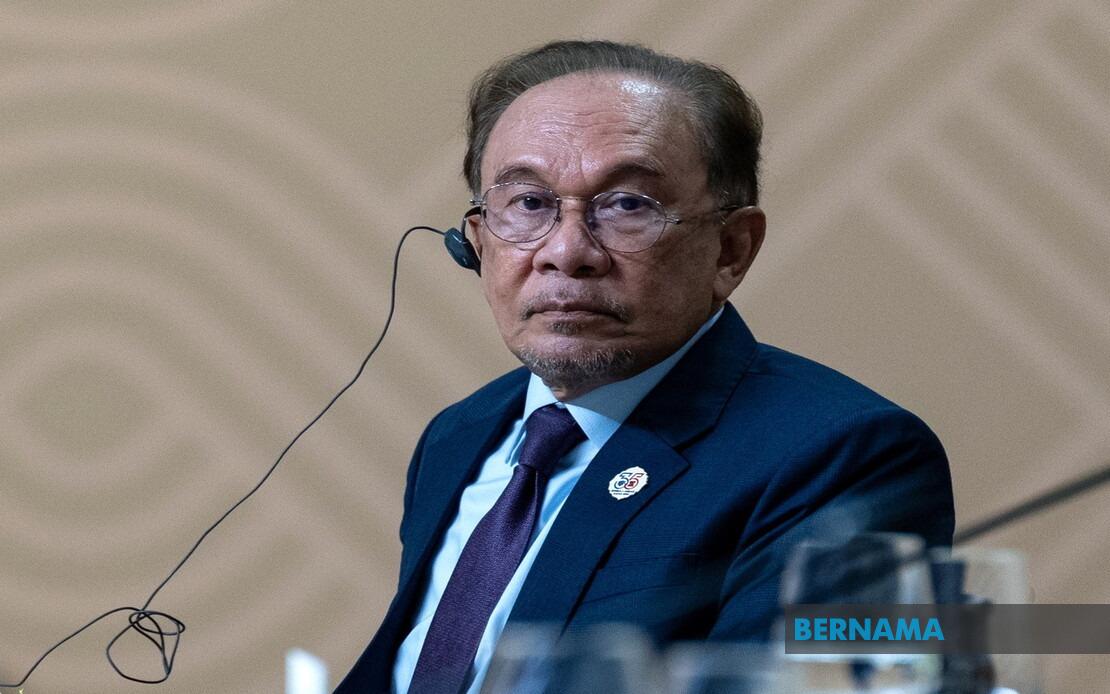
Prime Minister Datuk Seri Anwar Ibrahim has signalled Malaysia's backing for emerging prospects of a comprehensive peace settlement between the United States and Iran, which could fundamentally alter the trajectory of conflict in West Asia. Speaking in Kazan on Thursday following the 35th ASEAN-Russia Commemorative Summit, Anwar projected cautious optimism that negotiations between Washington and Tehran are moving in a constructive direction, though he acknowledged the compressed timeline presents significant challenges.
At the heart of Anwar's assessment lies a memorandum of understanding framework that both nations are reportedly working to finalize. The Prime Minister emphasized that while the negotiations remain fluid and complex, there exists a narrowing window of opportunity—with diplomats aiming to conclude a final agreement within a maximum of 60 days. This tight deadline underscores the urgency felt by key mediators and stakeholders invested in resolving one of the world's most consequential geopolitical disputes.
Anwar grounded his optimism in direct intelligence gathered from Pakistan Prime Minister Shehbaz Sharif, who has emerged as a crucial intermediary in these high-stakes talks. According to Anwar, Sharif has maintained comprehensive involvement throughout the negotiating process, providing regular updates on substantive progress. The Pakistani leader's assessment, relayed privately to Anwar, suggests that discussions have deepened significantly and that both American and Iranian delegations are engaging with greater seriousness than previously observed. This behind-the-scenes diplomacy reflects Pakistan's traditional role as a bridge-builder in South and West Asian affairs.
During his bilateral meeting with Russian President Vladimir Putin at the same summit, Anwar discovered that Moscow shares similar sentiments regarding the negotiations' trajectory. Putin apparently conveyed confidence that the diplomatic momentum could yield results, a perspective that carries weight given Russia's extensive interests in Middle Eastern stability and its historical relationship with Iran. The convergence of optimism from both Pakistan and Russia suggests that third-party observers with substantive knowledge are detecting genuine progress rather than mere rhetorical posturing.
Yet Anwar tempered his projections with recognition of the considerable variables at play. The involvement of US President Donald Trump's administration introduces unpredictability, as Trump has previously withdrawn from the Joint Comprehensive Plan of Action (JCPOA) in 2018 and maintained a hardline stance toward Iran. Anwar's careful acknowledgment that "anything is possible" when Trump is a factor reflects realistic diplomatic caution—even positive momentum can be derailed by domestic political considerations or sudden policy shifts in Washington.
For Malaysia and Southeast Asia more broadly, the implications of a US-Iran agreement would be substantial. A lasting peace settlement could reshape regional power dynamics, reduce tensions that have periodically threatened global oil markets and shipping routes through the Strait of Hormuz, and diminish proxy conflicts that have destabilized multiple nations across the Middle East. Malaysian policymakers, as leaders of an ASEAN member state, have a vested interest in regional stability given the bloc's trading relationships and maritime security concerns.
The timing of Anwar's remarks is noteworthy, coming as it does during Malaysia's engagement with both Western and non-aligned powers. By publicly endorsing the peace process while meeting with Putin at an ASEAN-Russia forum, Malaysia positions itself as a responsible stakeholder invested in multilateral solutions to global conflicts. This approach aligns with Malaysia's broader foreign policy orientation, which seeks to balance relationships across competing power blocs while championing dialogue and negotiated settlements.
Anwar's invocation of prayer and collective hope reflects the emotional stakes involved in these negotiations. The West Asia conflict has generated immense human suffering, displaced millions, and fuelled humanitarian crises across Syria, Yemen, Iraq, and Palestine. A breakthrough agreement would theoretically create space for deescalation, reconstruction efforts, and diplomatic solutions to subsidiary conflicts that have proliferated throughout the region. The symbolic weight of such an agreement extends far beyond the bilateral US-Iran relationship.
The 60-day timeline, while compressing negotiations, also signals serious intent from both parties. That both Washington and Tehran have apparently agreed to this deadline framework suggests mutual recognition that protracted talks serve neither side's interests. For Malaysia's diplomatic community, monitoring this timeline will be essential, as the period will test whether the positive sentiment Anwar has observed translates into concrete written agreements.
Looking ahead, Malaysia's role in supporting international peace initiatives may extend beyond public endorsement. As an active participant in regional forums and a nation with relationships across diverse geopolitical alignments, Malaysia could potentially contribute to confidence-building measures or post-agreement monitoring mechanisms. The country's experience navigating complex multi-stakeholder disputes within ASEAN provides relevant expertise for facilitating implementation of any settlement.
Anwar's remarks ultimately reflect a measured optimism grounded in specific intelligence rather than wishful thinking. His careful attributions to Sharif and Putin suggest he is not overstating Malaysian conviction, but rather reporting observable diplomatic developments. Whether the 60-day window proves sufficient remains uncertain, but the convergence of positive signals from multiple credible sources indicates that the international community's patience with West Asian instability may finally be yielding concrete diplomatic progress.