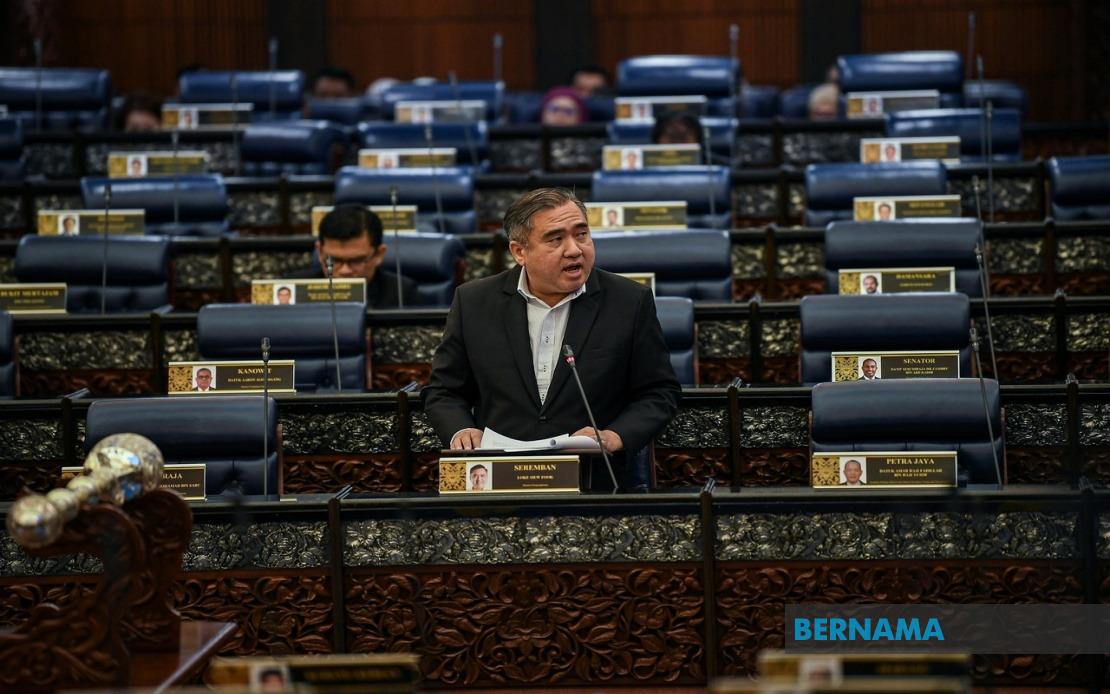
Malaysia is moving to criminalize street racing as a standalone offence for the first time, closing a significant enforcement gap that has long hampered authorities' ability to tackle dangerous racing culture on public roads. Transport Minister Anthony Loke tabled the Road Transport (Amendment) Bill 2025 in Parliament on June 23, introducing the new Section 42A which specifically targets illegal racing and speed trials conducted on public roads. This legislative change represents a fundamental shift in how Malaysia addresses one of its persistent road safety challenges, transitioning from treating racing incidents primarily through dangerous driving provisions to creating a dedicated criminal category.
Under the proposed framework, first-time offenders caught racing or conducting speed tests will face financial and custodial penalties that signal government resolve on the issue. Those convicted for the first time face a fine ranging from RM2,000 to RM10,000, imprisonment for up to two years, or a combination of both penalties. The escalation for serial offenders is notably severe: second and subsequent convictions carry fines between RM5,000 and RM20,000 alongside potential imprisonment stretching to five years, reflecting the government's determination to deter repeat behaviour within the racing community.
The limitations of existing legislation have long frustrated law enforcement agencies attempting to suppress illegal racing activity. Current laws address racing incidents primarily through dangerous driving charges, which require demonstrated harm—accidents, injuries, or fatalities—before action can be initiated. This reactive approach means authorities can often observe or be alerted to illegal racing activity yet possess insufficient legal grounds to intervene before someone gets hurt. Loke acknowledged this enforcement challenge, noting that the previous framework created a situation where police and traffic authorities essentially had to wait for tragedy to strike before securing convictions.
The new Section 42A remedies this by enabling proactive enforcement regardless of whether any accident or injury occurs. If two or more motorcyclists engage in impromptu racing or conduct speed comparisons against one another on public roads, authorities can now pursue charges immediately. Similarly, motorists who use public roads as informal testing grounds for vehicle performance can face prosecution without requiring an accident to have taken place. This represents a crucial shift in regulatory philosophy, moving from penalizing dangerous outcomes to criminalizing dangerous behaviour itself.
Paralleling the racing offence, the Bill introduces Section 110B to protect enforcement personnel and strengthen their operational effectiveness against organized traffic violations. This provision targets individuals who obstruct, interfere with, assault, threaten, or follow enforcement officers' vehicles, as well as those who leak information about enforcement operations to help suspects evade detection. Penalties under this section range from RM10,000 to RM50,000 in fines and between one to five years' imprisonment, with the offence classified as arrestable to enable immediate detention without warrant. The provision acknowledges that racing enforcement often occurs within organized networks where coordination and intelligence-sharing help offenders stay ahead of authorities.
The obstruction provisions carry particular significance for Malaysian enforcement operations, which have increasingly targeted not only individual racers but also organized modification shops, financing networks, and surveillance operations that facilitate illegal racing culture. By criminalizing the sharing of enforcement intelligence, the legislation attempts to disrupt these ecosystems rather than merely punishing individual participants. This reflects lessons learned from enforcement agencies across Southeast Asia, where illegal racing persists despite penalties because support networks remain insulated from legal consequences.
Beyond racing-specific measures, the Bill addresses broader traffic safety through compound fine restructuring, increasing minimum amounts from RM300 to RM500 effective January 1, 2029. However, Loke clarified that this represents a maximum threshold rather than automatic penalty amount; enforcement officers retain discretion to impose compounds proportionate to offence severity, settlement circumstances, and procedural factors. The revision aims to calibrate penalties to inflation and deter violations that have become economically trivial to ignore at earlier fine levels, while maintaining proportionality across offence categories.
The amendments also target commercial vehicle violations and non-compliant vehicles more broadly, with enhanced enforcement powers reflecting Malaysia's persistent challenges with overloaded lorries and substandard commercial transport. These provisions strengthen operational capabilities against offences involving overloading and vehicle defects, which contribute significantly to road fatalities and infrastructure damage.
For Malaysian readers, these amendments signal a government attempt to address a social problem that resonates beyond traffic statistics. Illegal street racing—particularly among young riders and drivers—has become entrenched in urban culture, with organized groups meeting for impromptu competitions on highways and city streets during late evening hours. The practice carries tragic consequences; high-speed collisions involving street racers routinely claim lives of participants and innocent bystanders alike. Parents' groups and road safety advocates have long pressed for legislation beyond existing dangerous driving laws, creating political momentum for this dedicated offence.
Regionally, Malaysia's approach offers a template for neighbouring countries grappling with similar phenomena. Singapore and Hong Kong have implemented comparable specific racing offences with severe penalties, reflecting an Asia-wide recognition that general dangerous driving provisions inadequately address organized racing culture. Thailand, Indonesia, and the Philippines continue relying on broader traffic laws, creating enforcement gaps that allow racing communities to operate with relative impunity. Malaysia's legislative development therefore carries implications extending beyond its borders.
The practical impact of these amendments will depend heavily on implementation and enforcement consistency. Police traffic departments must prioritize racing offences in patrol operations and resource allocation, maintain surveillance of known racing locations, and follow through with prosecutions. Public awareness campaigns will prove essential; many younger riders remain unaware of existing penalties or the imminent legislative changes. The government's success in suppressing racing culture ultimately depends on whether these legal tools translate into visible enforcement presence rather than remaining statutory weapons left unused.
Implementation of the new offences will also test judicial interpretation and consistency. Courts must establish sentencing frameworks that appropriately calibrate penalties based on circumstances while avoiding disproportionate punishment that might invite successful appeal challenges. The distinction between casual amateur racing and organized professional street racing operations may influence judicial approach, creating precedents that guide subsequent cases.
The Road Transport (Amendment) Bill 2025 represents Parliament's acknowledgment that Malaysia's road safety crisis demands more sophisticated legislative tools tailored to specific categories of dangerous behaviour. By elevating illegal racing from a subset of dangerous driving to a standalone offence with prescribed penalties, the government signals that street racing constitutes a distinct social problem requiring dedicated legal attention. Whether this legislative framework ultimately reduces racing incidents and saves lives depends on implementation commitment, enforcement consistency, and sustained public safety focus beyond the initial legislative moment.

