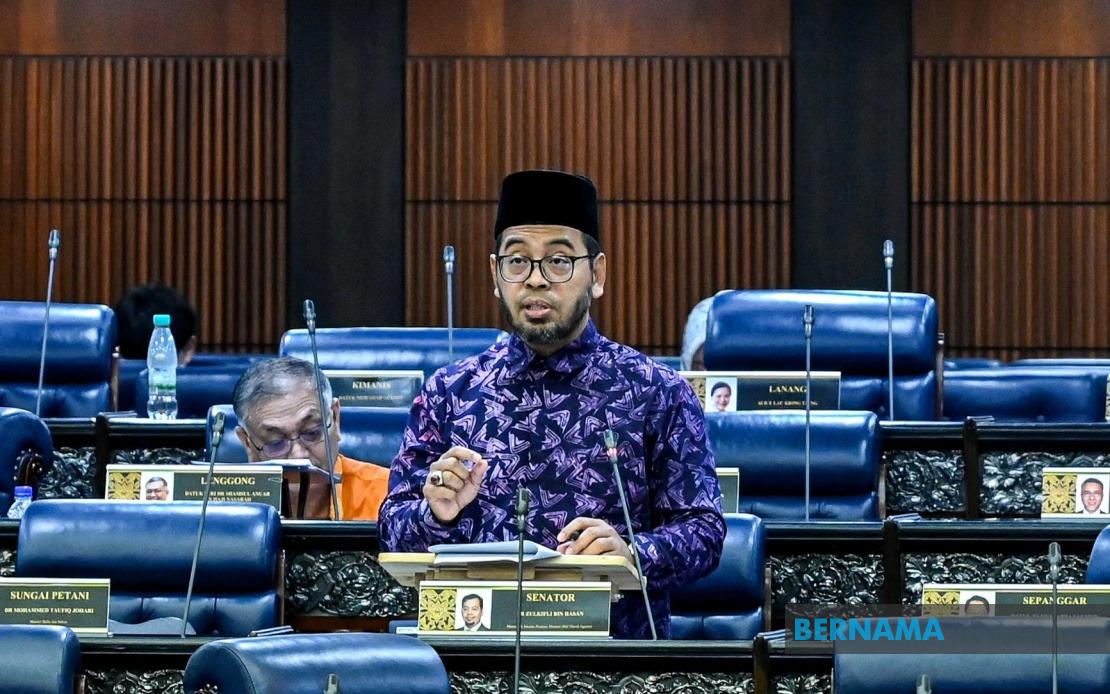
The Malaysian government is executing a comprehensive, whole-of-government initiative to contain the spread of heterodox Islamic teachings that increasingly exploit digital platforms and messaging applications to reach adherents across borders. Dr Zulkifli Hasan, the Minister in the Prime Minister's Department overseeing Religious Affairs, articulated this strategy during parliamentary questioning, emphasising that the Department of Islamic Development Malaysia (JAKIM) and state religious authorities maintain constant vigilance against doctrines that deviate from Sunni orthodoxy.
The enforcement challenge facing authorities has substantially evolved over recent years. Rather than relying on traditional clandestine gatherings and face-to-face recruitment, heterodox groups now operate through digital ecosystems, where they disguise ideological messaging as self-improvement programmes, charitable work, wellness initiatives, or informal Islamic education. This sophisticated adaptation has complicated detection and intervention efforts, requiring law enforcement to develop new expertise in online surveillance and digital forensics.
GroupsDisseminating these teachings employ compelling psychological and rhetorical techniques to amplify their reach and influence. According to Zulkifli, proponents weaponise motivational narratives, spiritual appeals, psychological frameworks, conspiracy theories, and the celebrity status of prominent figures to construct compelling alternative interpretations of Islamic teaching. These tactics prove particularly effective among vulnerable populations seeking community belonging, spiritual authenticity, or explanations for societal anxieties—demographics that represent a substantial proportion of Malaysia's digitally native youth.
Coordinated enforcement represents a cornerstone of the government's response architecture. Multiple agencies—encompassing JAKIM, state Islamic religious departments, the Royal Malaysian Police, the Malaysian Communications and Multimedia Commission, the National Security Council, local government bodies, the Immigration Department, and the National Registration Department—collaborate to identify, monitor, and apprehend suspected adherents. Recent operations underscore this collaborative approach: authorities detained 288 followers of the Ahmadiyya Qadiani movement in Sabah on May 31, while a separate raid on a Shia centre in Petaling Jaya resulted in the detention of 226 foreign nationals.
Beyond enforcement, the government implements a graduated intervention framework designed to restore affected individuals to mainstream Islamic practice. Counselling sessions targeting both ordinary members and group leaders seek to address theological misunderstandings through dialogue. Courts order placement in faith rehabilitation centres, where individuals receive structured Islamic education under official supervision. Specialized rehabilitation programmes, overseen by Islamic authorities, work to strengthen doctrinal literacy and reconnect detainees with orthodox interpretive traditions.
Prevention constitutes the third pillar of this strategy. The government established the National Steering Committee to Address Threats to Faith, bringing together stakeholders from the Ministry of Education, Ministry of Higher Education, Ministry of Home Affairs, JAKIM, and allied bodies. This coordination reflects recognition that religious radicalism cannot be countered through enforcement alone; sustained investment in youth religious education proves essential for inoculating populations against heterodox appeals.
Multiple complementary initiatives channel resources toward strengthening Islamic understanding among young Malaysians. The Institut Pemantapan dan Perkaderan Akidah Malaysia (IPHAM) operates dedicated faith-fortification programmes. The My Insaniah Programme and Rakan Masjid Programme, executed jointly with the Ministry of Youth and Sports, embed Islamic literacy within youth engagement frameworks. Curriculum enhancements to KAFA 2.0—the standardised Quranic and obligatory Islamic knowledge programme—seek to develop more robust religious identity and doctrinal confidence among students.
For Malaysia's plural, digitally networked society, this multifaceted approach addresses genuine policy challenges. Heterodox Islamic movements have historically gained footholds in Southeast Asia, and the internet's borderless nature means Malaysian citizens encounter transnational networks promoting alternative theologies. Without proactive engagement, these movements risk fragmenting Malaysia's carefully calibrated religious consensus and destabilising the social cohesion mechanisms that depend upon broad acceptance of mainstream Islamic orthodoxy.
The regional implications deserve consideration. Neighbouring Indonesia, Thailand, and the Philippines grapple with similar heterodox movements and online extremism, suggesting that Malaysia's experience and policy innovations could inform a broader Southeast Asian approach to digital religious governance. Conversely, challenges in containing cross-border theological flows highlight the limitations of purely national enforcement strategies in an interconnected region.
Yet tensions remain between security imperatives and religious freedom principles. The characterisation of doctrinal diversity as "deviant" and requiring state correction reflects one theological tradition's dominance over others, raising complex questions about pluralism within Islam itself. The effectiveness of rehabilitation programmes in genuinely converting adherents versus producing compliance remains uncertain. Additionally, the visibility of enforcement operations risks generating grievances among detained foreigners and their home countries, complicating Malaysia's diplomatic relationships and international religious reputation.

