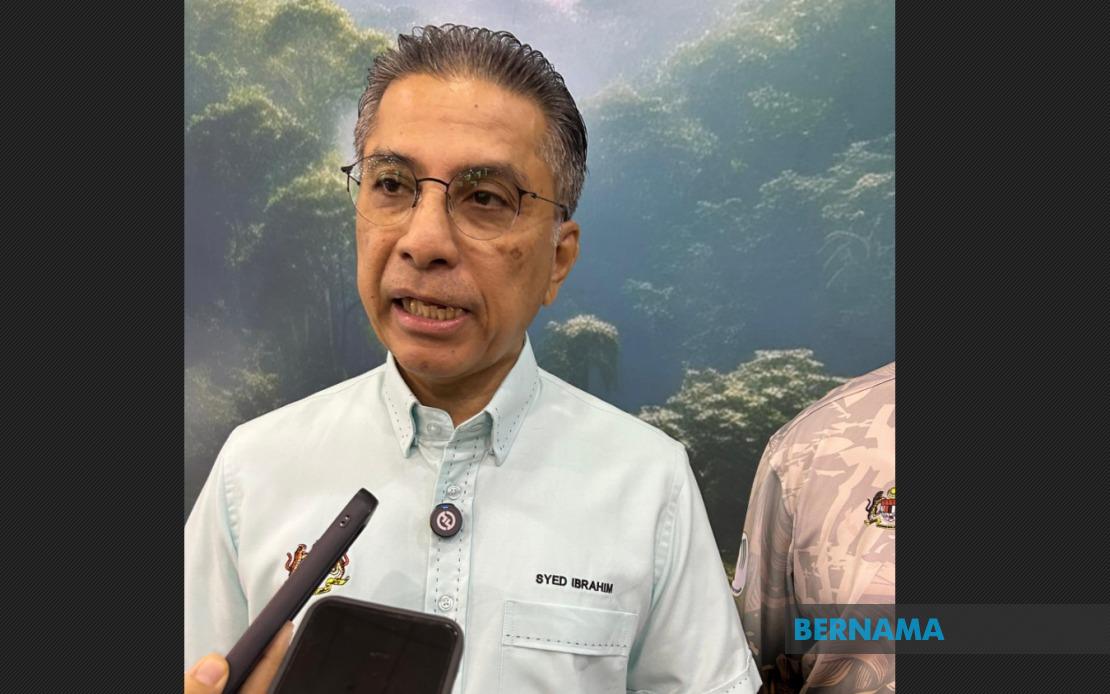
The Malaysian government is maintaining close oversight of three Asian elephants currently housed at Tennoji Zoo in Osaka, having deployed dedicated handlers and established a structured monitoring framework since their relocation in March. Deputy Minister Syed Ibrahim Syed Noh outlined the ministry's comprehensive approach during a parliamentary session, emphasising that the Natural Resources and Environmental Sustainability Ministry (NRES) and Department of Wildlife and National Parks (Perhilitan) are treating animal welfare as paramount throughout the animals' transition to their new environment.
The three elephants—Dara, Amoi, and Kelat—form part of a landmark 25-year strategic conservation partnership between Taiping Zoo and Night Safari in Malaysia and their Japanese counterpart. This initiative represents a significant commitment to ex-situ conservation, a strategy increasingly adopted by regional zoos to maintain genetic diversity and support threatened populations. The arrangement demonstrates growing cooperation between Southeast Asian and East Asian wildlife institutions in addressing elephant conservation challenges, which remain critical given habitat pressures across the region.
Before finalising the relocation agreement, Malaysian wildlife authorities undertook rigorous due diligence. Perhilitan conducted comprehensive physical and psychological assessments to confirm that Tennoji Zoo met international wildlife management standards and could provide appropriate care for the animals. This precautionary approach reflects heightened global scrutiny of elephant relocations, particularly involving endangered species, where welfare concerns have prompted public and non-governmental scrutiny of such programmes. The assessment process underscores Malaysia's commitment to ensuring that conservation cooperation does not compromise individual animal wellbeing.
A crucial aspect of the transition strategy involved stationing Malaysian mahouts at the Japanese facility. Seven experienced handlers rotated through a two-month period beginning in March, providing continuity and familiarity during the animals' critical acclimatisation phase. Mahouts possess specialised knowledge of elephant behaviour, communication, and care requirements that transcends national boundaries and language barriers. Recognising that the initial months are decisive for successful adaptation, the government extended this support by deploying two additional mahouts stationed at Tennoji Zoo throughout June, illustrating a deliberate, methodical approach to long-term integration.
The repatriation question has emerged as a point of domestic discussion, with civil society organisations and members of parliament raising concerns about the elephants' extended absence from Malaysia. Deputy Minister Syed Ibrahim addressed these calls by reframing the government's position around diplomatic and contractual considerations rather than outright dismissal. He indicated that while public advocacy is noted, any decision regarding the animals' future status would flow through official channels and mutual agreement under the master agreement binding Taiping Zoo and Tennoji Zoo. This stance balances Malaysia's international commitments with domestic sensitivities around wildlife sovereignty.
The government has also signalled openness to independent verification mechanisms, albeit within contractual and consensual boundaries. The ministry expressed willingness to facilitate independent observer visits or NGO monitoring missions to Japan, provided both institutions agree. Such arrangements could potentially address public concerns by allowing transparent assessment of elephant conditions by external parties, though the emphasis on mutual consensus indicates that any oversight arrangement would require negotiation and remain subject to existing contractual frameworks. This conditional openness reflects evolving expectations for transparency in international wildlife agreements.
A secondary issue addressed concerns historical records of elephant exports from Malaysia. Deputy Minister Syed Ibrahim clarified significant discrepancies between publicly circulated figures and official documentation. Whilst some reports cited 19 elephants as having been sent abroad, official Perhilitan records indicate only 10 elephants have been exported internationally since 1977. This distinction is material, as inflated figures can distort public perception and feed mistrust. The correction underscores the importance of accurate wildlife management data and suggests that previous export programmes operated within defined, documented parameters rather than ad-hoc arrangements.
The elephant relocation initiative gains particular significance within the Malaysian and Southeast Asian conservation context. Habitat loss across the region has compressed wild elephant populations into increasingly fragmented spaces, raising questions about long-term genetic viability. Ex-situ programmes like the Tennoji Zoo partnership function as insurance mechanisms, maintaining populations and potentially supporting future reintroduction efforts should circumstances permit. For Malaysia, which hosts significant elephant populations despite conservation challenges, such international collaborations expand the toolkit available for species management and research.
Japan's Tennoji Zoo has established itself as a leading institution for Asian elephant care and research, with facilities and expertise recognised within the international zoo community. The selection of Tennoji rather than facilities elsewhere underscores deliberate institutional choice rather than opportunistic placement. The 25-year duration of the agreement signals commitment beyond short-term exchange, implying expectations of sustained cooperation and long-term animal residence. This extended timeframe also aligns with contemporary conservation philosophy, which increasingly emphasises multi-generational planning and regional population management rather than isolated institutional holdings.
The monitoring framework established by Malaysia reflects broader trends in international wildlife governance, where source countries increasingly insist on oversight mechanisms and regular reporting from receiving institutions. This represents a maturation of conservation partnerships, moving beyond one-time transfers to relationships characterised by mutual accountability. For Malaysia, maintaining active engagement with elephants abroad serves multiple functions: it demonstrates government commitment to animal welfare, it preserves institutional knowledge and genetic records, and it preserves diplomatic channels for potential future policy adjustments.
The parliamentary response by Deputy Minister Syed Ibrahim indicates that Malaysia regards this initiative neither as a permanent severance from the elephants nor as a failure of domestic conservation. Rather, the government frames the arrangement as a strategic contribution to regional elephant conservation within a broader ecosystem of protected populations, research opportunities, and international scientific cooperation. Whether this framing will satisfy ongoing public and NGO concerns remains uncertain, but the transparency about monitoring measures and willingness to consider independent verification suggests that the government recognises the legitimate interest stakeholders hold in the animals' welfare and status.

