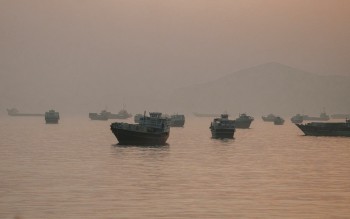
Malaysia's Economy Minister Akmal Nasrullah Mohd Nasir has sounded a fresh alert over the economic vulnerabilities facing the country as Iran maintains its closure of the Strait of Hormuz, one of the world's most critical maritime chokepoints. The minister cautioned against complacency even as reports suggest a trickle of commercial vessels continue navigating the waterway, emphasizing that reduced traffic should not obscure the genuine risks posed to Malaysia's interconnected economy.
The Strait of Hormuz, through which roughly one-fifth of global oil passes, took on heightened strategic significance following escalating military tensions in West Asia. The United States launched strikes against Iran on July 8, prompting Tehran's decision to restrict passage through the strait, a move that threatens to reverberate across supply chains and price mechanisms worldwide. For Malaysia, a nation deeply embedded in global trade networks and heavily dependent on stable energy markets, such disruptions carry outsized consequences that extend far beyond the shipping lanes themselves.
Akmal Nasrullah's warning signals official recognition that Malaysia's prosperity remains fundamentally tethered to geopolitical stability in distant regions. The Malaysian economy, despite its relative diversification, carries structural vulnerabilities to external shocks. Oil price volatility stemming from restricted supply will directly impact Malaysia's import bill and energy costs. More insidiously, the cascading effects on global freight rates and shipping schedules threaten to inflate the cost of moving goods through international commerce, compressing margins across manufacturing sectors already operating under tight constraints.
The minister identified specific transmission channels through which the Hormuz crisis reaches Malaysian consumers and businesses. Transportation expenses will rise as vessels divert around the Cape of Good Hope, adding weeks to shipping schedules and pushing up insurance premiums. Global raw material prices, from petrochemicals to metals, will face upward pressure as markets price in supply uncertainty. Food inflation looms as an acute concern, given Malaysia's reliance on imported agricultural inputs and the vulnerability of regional food supply chains to disruptions in oil-dependent logistics networks.
Akmal Nasrullah's invocation of supply chain interdependence reflects a growing sophistication in official thinking about economic resilience. He illustrated how pressures on one industrial segment propagate outward through interconnected networks. When plastic manufacturers face production constraints due to elevated raw material costs or shipping delays, the impact ricochets through industries ranging from food packaging and electronics to automotive and construction. This web of dependencies means that Malaysia cannot isolate itself from external shocks; instead, policymakers must understand and manage the complex pathways through which geopolitical events translate into economic pain.
The minister's emphasis on ecosystem-level thinking suggests an emerging policy approach that moves beyond sector-specific interventions. Rather than attempting to shield individual industries, the government appears to be signaling that businesses must collectively strengthen the resilience of Malaysian supply chains. This involves identifying critical chokepoints, diversifying sourcing relationships, and building strategic buffers of essential materials. For Malaysia's manufacturing base, which depends heavily on just-in-time inventory systems optimized for stable, predictable supply chains, such disruptions pose acute challenges.
The warning also carries implications for inflation management and household purchasing power. If supply chain pressures intensify and persist, Malaysian consumers will face broader price increases across essential goods and services. This burden falls disproportionately on lower-income households with limited ability to absorb cost shocks. The government's concern about inflation reflects awareness that prolonged supply chain dysfunction could trigger broader economic instability, potentially necessitating policy interventions that carry their own tradeoffs.
Malaysia's vulnerability to the Hormuz closure must be understood within the context of broader regional dynamics. Southeast Asian nations collectively depend on stable shipping routes and predictable energy prices for their development strategies. If the current crisis catalyzes a broader reassessment of supply chain geography, countries that diversify their import sources and investment partners may emerge more resilient. Conversely, nations that remain dependent on traditional routes and suppliers face heightened exposure to future disruptions.
The minister's call for preparedness and vigilance points toward potential policy responses under consideration. These might include strategic petroleum reserves management, targeted support for export-dependent sectors facing margin compression, and measures to strengthen relationships with alternative suppliers and trading partners. The government may also accelerate efforts to develop domestic substitutes for critical imports, though such industrial policies require time and substantial investment to yield results.
Akmal Nasrullah's framing of the challenge—emphasizing that Malaysia cannot afford complacency and must adapt to persistent geopolitical conflict—reflects a realistic assessment of the international environment. The Hormuz closure represents not an isolated incident but a symptom of deeper tensions in West Asia that may persist regardless of specific military actions. For Malaysia and the region, the appropriate response involves building structural resilience rather than hoping for swift resolution of geopolitical tensions beyond Southeast Asian control.

