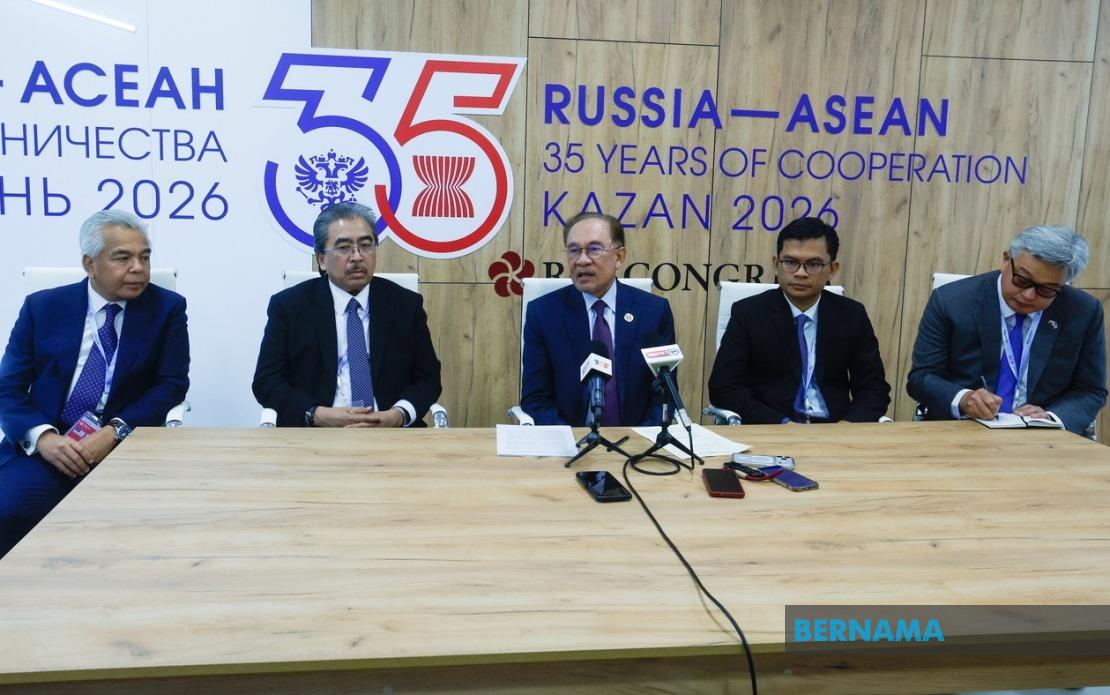
Prime Minister Datuk Seri Anwar Ibrahim has pressed for the rapid implementation of visa-free travel agreements and direct air services linking Malaysia and Russia, arguing that such measures are essential to unlock the country's tourism potential with Moscow. Speaking during his two-day official visit to Kazan for the ASEAN-Russia Commemorative Summit, Anwar highlighted the persistent gap between Malaysia's Russian visitor numbers and those of competing regional destinations, pointing to a substantial market opportunity that remains underexploited due to bureaucratic and logistical constraints.
The disparity in visitor numbers is striking and underscores a missed opportunity for Malaysia's tourism sector. While Turkey annually welcomes approximately five million Russian tourists and Thailand attracts around two million, Malaysia receives merely 100,000 visitors from Russia annually. This three- to fifty-fold difference reflects not an absence of interest or cultural affinity, but rather practical obstacles that deter would-be travellers. Anwar's observation during media remarks at the summit suggests that policy inertia and outdated procedures are among the primary culprits limiting Malaysia's capacity to capture a larger share of Russian outbound tourism spending.
The payment infrastructure and transaction mechanisms between the two countries present significant friction points that Anwar identified as requiring urgent resolution. International travel flows are highly sensitive to ease of transaction, and restrictions on payment methods can prove fatal to tourism ambitions. When potential travellers encounter complications in converting currency or processing payments through standard channels, many opt for less troublesome alternatives. This appears to be precisely what is occurring in the Malaysia-Russia travel relationship, where the combination of visa requirements and payment difficulties creates a cumulative disincentive effect that is difficult for promotional efforts to overcome.
Anwar's frustration with outmoded administrative procedures reflects a broader challenge facing many Southeast Asian governments attempting to modernise their engagement with the world. The Prime Minister's candid acknowledgment that Malaysia remains "too stuck with old procedures, archaic" suggests internal institutional resistance to change even when policy objectives are clear. Such resistance often stems from risk-averse bureaucracies reluctant to deviate from established protocols without explicit political direction, creating bureaucratic inertia that can paralyse potentially beneficial reforms.
A particular concern Anwar flagged was the tendency of Malaysian policymakers to constrain tourism development based on apprehension regarding international reaction from third countries. This self-imposed constraint reflects a cautious diplomatic posture that may ultimately be counterproductive. By allowing concerns about how "some other countries may respond or react negatively" to dictate tourism policy, Malaysia potentially surrenders opportunities for mutually beneficial economic engagement. This hesitancy appears disproportionate given that tourism cooperation inherently reflects mutual interest rather than geopolitical alliance.
The Prime Minister's references to Iran alongside Russia suggest he recognises that the underlying issue extends beyond Russia-specific concerns. Countries with which Malaysia seeks to strengthen ties but which face various international pressures or sanctions may all encounter similar obstacles rooted in Malaysian caution about third-country reactions. This pattern indicates systemic policy paralysis rather than country-specific complications. Anwar's willingness to address this candidly from Kazan signals intent to challenge such thinking within government circles.
Direct flight connectivity operates as a fundamental prerequisite for tourism growth, particularly for travellers originating from distant markets like Russia. The absence of direct routes forces Russian visitors to endure lengthy journeys via third countries, reducing comfort and increasing total travel costs. This friction alone likely explains a substantial portion of the visitor gap. Establishing direct flights between Malaysian hubs and major Russian cities would transform the competitive proposition for prospective tourists, making a Malaysian holiday considerably more attractive relative to established competitors.
The tourism sector's importance to Malaysia's broader economic agenda cannot be overstated. As the country seeks to diversify revenue sources and attract high-value economic activity, tourism delivers substantial benefits including employment, foreign exchange earnings, and development of service sector capabilities. The Russian market represents a demographic segment with considerable disposable income and demonstrated willingness to travel internationally, making it particularly valuable from an economic perspective.
Anwar's emphasis on accelerating these arrangements reflects the strategic importance Moscow has acquired in Malaysian foreign policy. The ASEAN-Russia Commemorative Summit itself underscores an effort to deepen engagement with Russia across multiple dimensions. Tourism cooperation, while seemingly technical, carries broader diplomatic significance by cementing people-to-people connections and demonstrating mutual respect through facilitation of travel. Each Russian tourist who visits Malaysia becomes an informal ambassador, returning home with positive impressions that influence broader perceptions of the country.
Implementing visa-free arrangements requires diplomatic negotiation and mutual agreement on security protocols, yet the benefits clearly justify the effort required. Many countries have successfully negotiated such arrangements across significant geopolitical divides by establishing trust-based frameworks. Malaysia possesses the institutional capacity to design appropriate security measures while eliminating unnecessary bureaucratic friction. The question becomes whether political will exists to override institutional conservatism and third-country concerns.
The practical steps required to realise Anwar's vision involve multiple actors across government ministries, airlines, and financial institutions. Immigration authorities must be prepared to process visa-free entry, potentially leveraging digital systems and advance registration mechanisms. Financial regulators must authorise payment channels acceptable to Russian travellers, whether through partnerships with Russian banks or cryptocurrency arrangements. Airlines must perceive sufficient demand to justify direct route establishment, which may require government support or guarantees during initial phases.
Anwar's comments from Kazan represent more than rhetorical flourish; they constitute clear direction to Malaysian bureaucracy that obstacles to Malaysia-Russia tourism must be removed. Whether the domestic policy process moves with sufficient speed to fulfil this vision remains uncertain, but the Prime Minister has established clear expectations. For Malaysia's tourism industry and Russian travellers seeking accessible Southeast Asian destinations, the coming months will prove consequential in determining whether political intent translates into practical facilitation of movement between these two nations.

