Malaysia is pursuing a structured diplomatic approach to resolve compensation claims arising from the government's cancellation of the Naval Strike Missile (NSM) procurement agreement with Norwegian defence contractor Kongsberg Defence & Aerospace AS. Defence Minister Datuk Seri Mohamed Khaled Nordin confirmed that both the Defence Ministry and Foreign Ministry have formally communicated Malaysia's position to the Norwegian government, laying the groundwork for potential negotiations with the contractor.
The decision to engage Norway's government reflects Malaysia's understanding that bilateral diplomatic channels can facilitate more productive discussions between the Malaysian authorities and the private defence firm. By requesting that the Norwegian government assume a facilitating and mediating role, Malaysia aims to create a structured negotiation framework that balances the interests of all parties while respecting established protocols in defence procurement disputes. This approach acknowledges the reality that commercial defence contracts often benefit from government-to-government coordination, particularly when sensitive military acquisitions are involved.
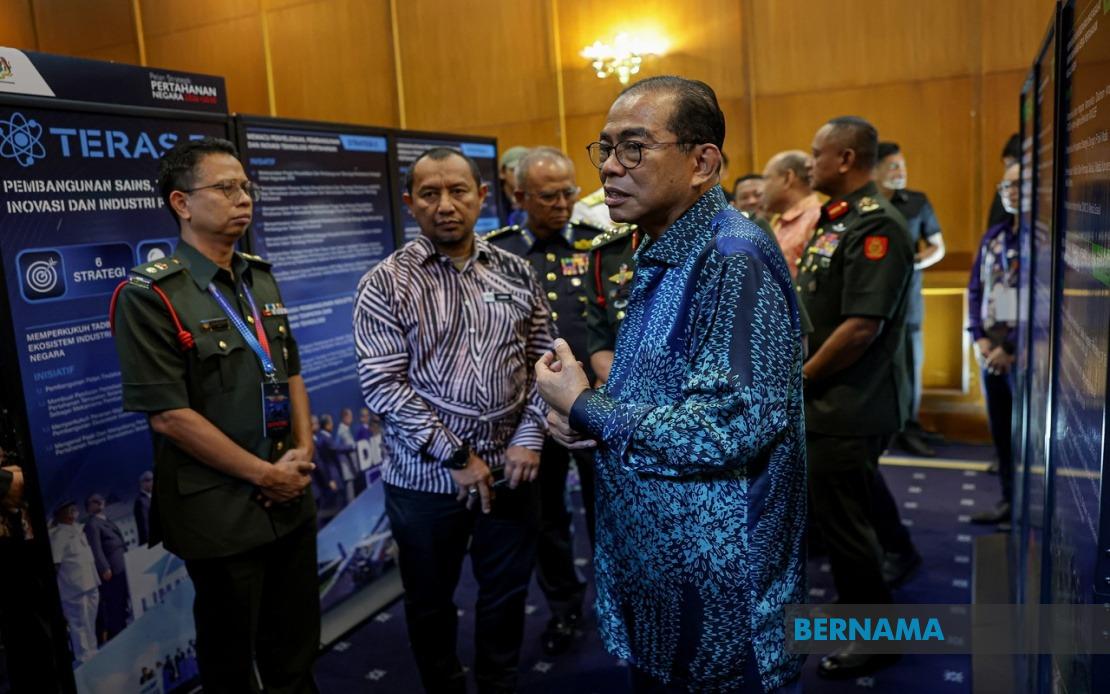
During remarks at the launch of the National Defence Strategic Plan and Defence Capability Blueprint 2026-2030, Nordin emphasized the government's commitment to resolving the matter expeditiously. The involvement of Chief of Defence Force General Tan Sri Malek Razak Sulaiman at the same event underscored the seriousness with which the defence establishment views both the compensation resolution and the broader strategic planning process. The timing of these announcements suggests that Malaysia intends to move methodically through the compensation process while simultaneously advancing its longer-term defence priorities.
The Public Accounts Committee (PAC) has already begun scrutinizing the matter, having received a special briefing from the Defence Ministry on the compensation situation. This parliamentary oversight represents an important accountability mechanism, ensuring that negotiations proceed transparently and that public funds are protected throughout the resolution process. The PAC's subsequent recommendation that the government strengthen its diplomatic efforts reflects legislative confidence in the ongoing strategy while urging continued diligence in securing fair terms.
The committee's emphasis on safeguarding Malaysia's fiscal sovereignty carries particular weight in the current economic environment. Contract cancellations in the defence sector invariably trigger complex legal and financial disputes, with compensation claims potentially extending into substantial sums depending on the contract's stage of execution and the quantum of work already undertaken. By framing the negotiations as a matter requiring both diplomatic skill and fiscal discipline, the PAC has essentially endorsed the government's multilateral approach while signalling that any settlement must reflect genuine value-for-money considerations.
Malaysia's defence procurement landscape has undergone significant evolution in recent years, with increased scrutiny of contracts and greater emphasis on demonstrable strategic necessity. The NSM system cancellation, while disappointing operationally, reflects a broader reassessment of defence priorities and budgetary allocations. The compensation process now underway will test whether Malaysia can navigate such disputes without damaging crucial bilateral relationships with key allies like Norway, which remains an important defence technology partner for the region.
Norway's position as an intermediary carries significance beyond mere protocol. As a NATO member with substantial defence export experience, Norway understands both the contractor's commercial interests and the legitimate defence policy prerogatives of sovereign nations. The Norwegian government's willingness to facilitate mediation suggests confidence that a mutually acceptable resolution is achievable, particularly if Malaysia's offers reflect reasonable acknowledgment of the contractor's legitimate expectations based on the contractual arrangement prior to cancellation.
The compensation claim involves multiple layers of complexity. Beyond the direct contract value, considerations include expenses already incurred by Kongsberg Defence & Aerospace, anticipated profits that the company would have realized, and potentially the company's interest in future defence relationships with Malaysia. The diplomatic framework now being established allows space for these various elements to be negotiated without the hostility that can accompany purely legal proceedings in international commercial disputes.
For Malaysia's broader defence posture, resolving this matter efficiently enables the country to maintain credibility in future international defence acquisitions. Other potential suppliers assess not only Malaysia's technical requirements and budgetary capacity but also the professionalism and fairness with which the country handles contractual relationships. A resolution that is perceived as equitable protects Malaysia's standing in the global defence marketplace and facilitates easier engagement with suppliers when future requirements emerge.
The establishment of the new Defence Capability Blueprint 2026-2030 provides strategic context for understanding why the NSM contract was reconsidered. Defence modernization priorities shift as operational requirements change, technological developments alter available options, and budget constraints necessitate difficult choices between competing systems. The compensation resolution process must proceed independently of these larger strategic considerations, but the timing underscores Malaysia's intention to address past contractual matters while charting a clearer path forward for future defence acquisitions.
Regional observers will watch this process closely, as Malaysia's handling of the NSM compensation dispute may establish precedents for how Southeast Asian nations manage similar situations. The emphasis on diplomatic resolution rather than protracted litigation offers lessons for countries throughout the region that increasingly engage in complex defence procurement arrangements with international suppliers. Malaysia's demonstrated commitment to working through bilateral government channels, supported by transparent parliamentary oversight, represents a constructive model for managing the inevitable disputes that arise when defence contracts are modified or cancelled.

