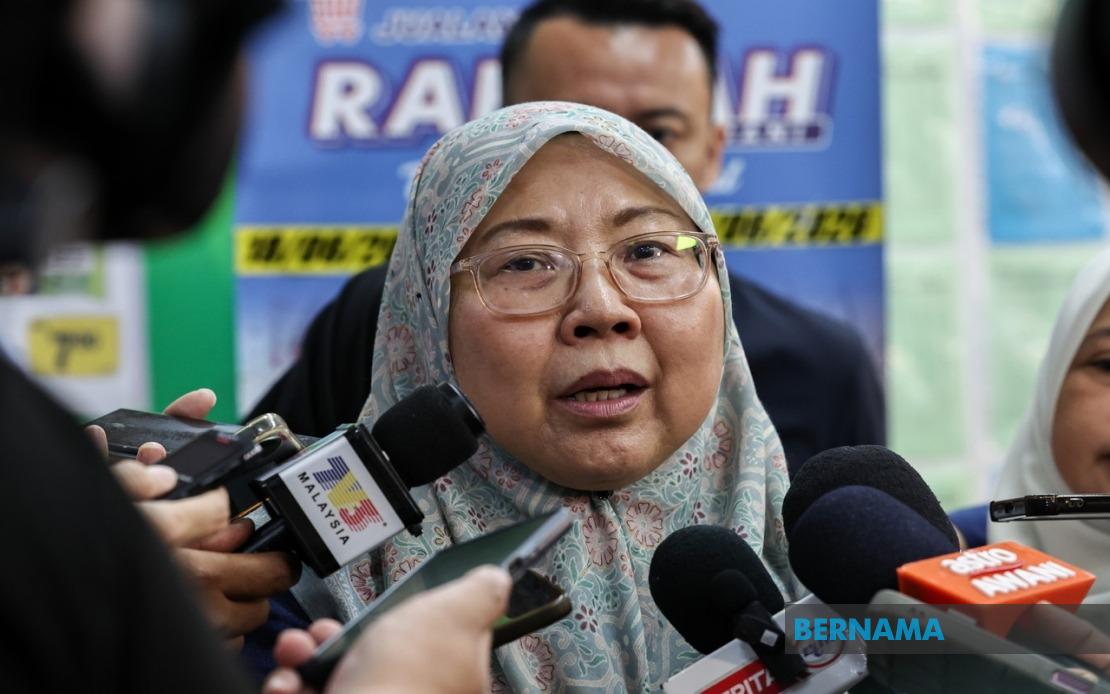
The Ministry of Domestic Trade and Cost of Living has moved to guarantee that essential commodity supplies remain robust across Johor and Negeri Sembilan as voters prepare for state elections, even as international shipping disruptions from geopolitical tensions in West Asia continue to strain global logistics networks. Deputy Minister Datuk Dr Fuziah Salleh made the commitment during an inspection tour in Johor Bahru on June 19, underscoring the government's determination to insulate consumers from price volatility and ensure political stability is not undermined by supply concerns.
The ministry's assurances come at a critical moment, with July 11 marked for polling in both states and early voting scheduled for July 7. Candidate nominations will take place on June 27, setting the stage for what promises to be a closely watched electoral exercise in two strategically important regions. Political transitions typically trigger heightened demand for essential goods as officials and visitors from other states converge on polling areas, creating potential chokepoints in distribution networks that the ministry has sought to address preemptively.
Central to the ministry's preparedness strategy is a restructured distribution framework for subsidised cooking oil, one of Malaysia's most price-sensitive commodities. Rather than channelling supplies through traditional wholesale intermediaries—a system vulnerable to bottlenecks and hoarding—the new arrangement delivers stock directly from repackaging facilities to retail points of sale. This streamlined approach eliminates several transaction layers and reduces the window for market manipulation, a significant consideration given cooking oil's symbolic importance in Malaysian households and its frequent appearance in political discourse around the cost of living.
Johor's monthly allocation of subsidised cooking oil remains steady at more than 3,000 metric tonnes, a volume managed by 18 licensed repackers and distributed through 95 designated retail points across the state. The list of approved outlets includes major supermarket chains such as Econsave, reflecting an effort to integrate subsidised goods into mainstream retail channels rather than confining them to specialist government-run stores. When Deputy Minister Salleh inspected the Econsave outlet at Taman Daya, she found approximately 100 cartons of subsidised cooking oil available daily, a figure officials characterise as sufficient for local consumption patterns.
Verification mechanisms have been tightened at the point of sale to prevent leakage of subsidised goods beyond their intended beneficiary group. Retailers now require customers to scan a government app or present their MyKad national identity card before purchasing subsidised items, a digital-first approach that aims to create an auditable record of transactions while discouraging resale or diversion to non-citizens. These controls reflect broader government concerns about the integrity of subsidy schemes, which can be undermined when subsidised goods are siphoned into informal markets or sold across borders where price differentials create arbitrage opportunities.
The Rahmah MADANI Sales Programme, a wider initiative to provide discounted essential goods and services, has emerged as a flagship vehicle for the government's cost-of-living narrative. Between January 1 and June 13, 2026, the programme staged 13,692 events nationwide, with Johor hosting 920 sessions across all 56 state constituencies. These events collectively attracted 2.3 million visitors in the state and generated over 1.46 million transactions, translating into tangible engagement with consumer populations that officialdom sees as validation of policy effectiveness. The scale of participation suggests the programme has gained traction beyond token gestures, though questions about the sustainability of such interventions when divorced from structural reforms remain unaddressed in official commentary.
Global headwinds present a genuine backdrop to these supply assurances. Logistics costs have risen sharply in recent months owing to shipping disruptions linked to the West Asia conflict, with chokepoints in international maritime trade affecting the cost and timing of imports. Malaysia, heavily reliant on imported food items and raw materials for domestic consumption and industrial use, remains vulnerable to such shocks. The ministry's emphasis on proactive measures and domestic distribution efficiency can partly offset external cost pressures, but only to a degree—ultimately, global commodity prices and freight charges constrain what local policy can achieve unilaterally.
The timing of these supply commitments carries unmistakable political weight. State elections in Malaysia often turn partly on bread-and-butter issues, with voters evaluating incumbent administrations through the lens of everyday affordability and availability. A perception of shortages, panic buying, or discriminatory access to subsidised goods could damage the ruling coalition's political standing, particularly in Johor, where the Democratic Action Party and other opposition elements have been making inroads. By frontloading assurances and backing them with infrastructure investments and visibility campaigns, the ministry appears intent on foreclosing this line of electoral criticism before it gains momentum.
For Malaysian consumers and businesses watching these elections, the supply guarantees offer reassurance that essential goods will not become a flash point during the transition period. However, the broader structural question—whether targeted subsidy programmes and temporary sales events constitute adequate responses to fundamental pressures on household budgets—remains sidelined in official rhetoric. The ministry's focus on distribution efficiency and verification controls is prudent administrative housekeeping, but it does not address underlying issues of wage stagnation, productivity, and competitiveness that many analysts argue are the true drivers of cost-of-living anxiety across Southeast Asia.

